Adaptive Reuse Architecture | Blending Heritage with Modern Design
Historic buildings have a story to tell. From traditional stone farmhouses to agricultural barns, these structures reflect the history, craftsmanship and character of our built environment. Rather than replacing them, adaptive reuse offers an opportunity to preserve their heritage while creating spaces that meet the needs of modern life.
At Laurence Associates, we believe the most successful projects are those that respect the past while embracing the future. By carefully integrating contemporary architecture with existing buildings, we create homes that are both functional and timeless.
What is Adaptive Reuse?
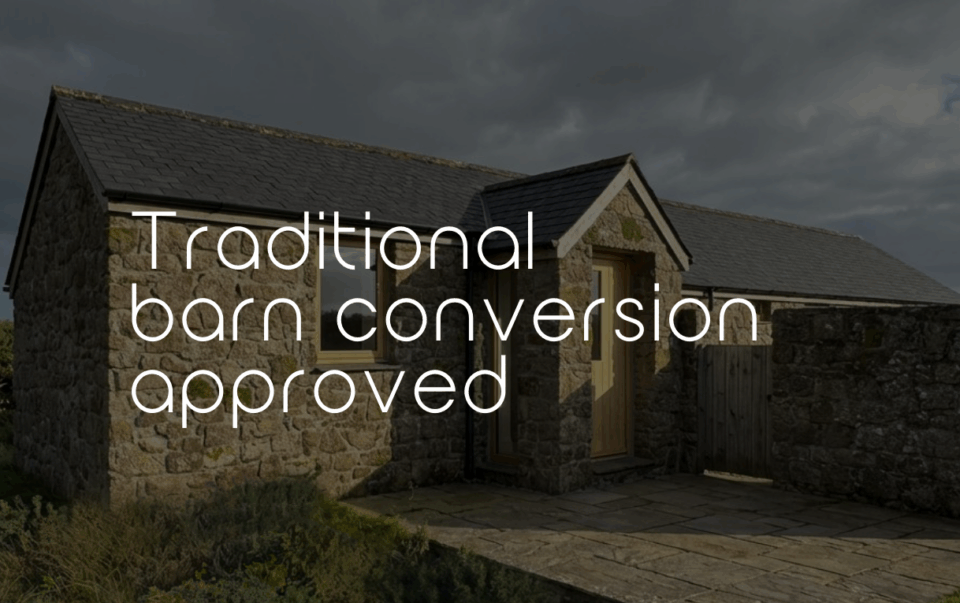
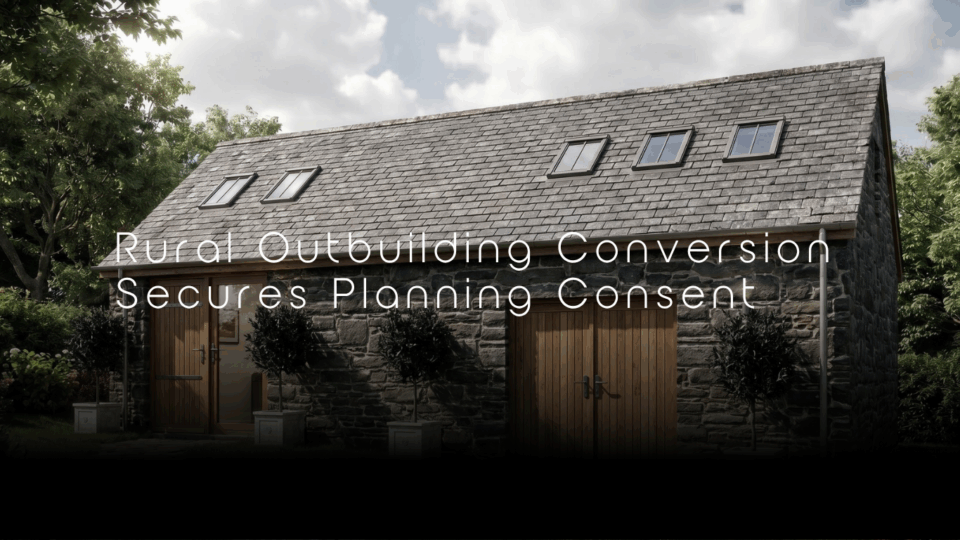
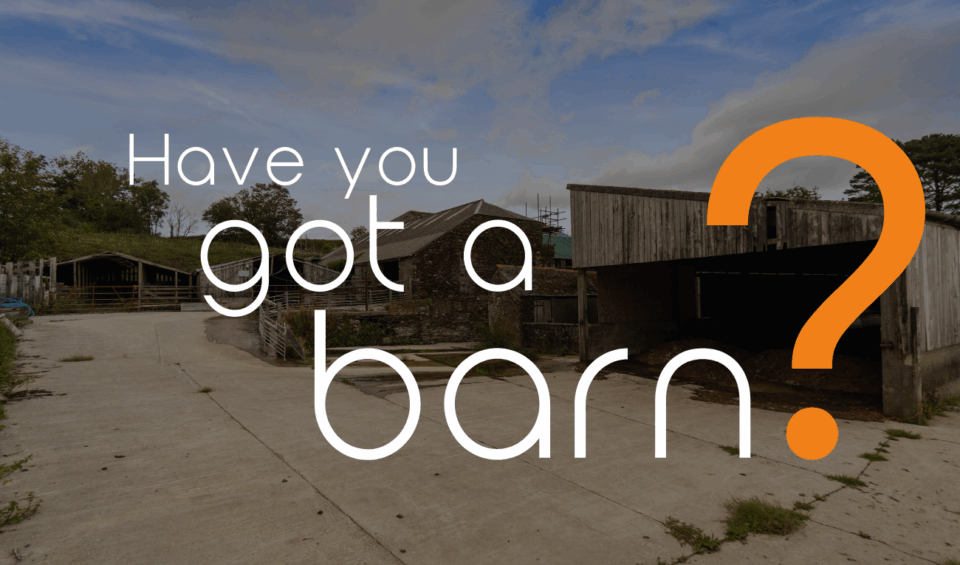
Adaptive reuse is the process of repurposing an existing building for a new use, rather than demolishing and rebuilding. Whether it is extending a traditional cottage, converting a redundant agricultural building or modernising a period property, the aim is to retain the building’s original character while enhancing its performance and usability.
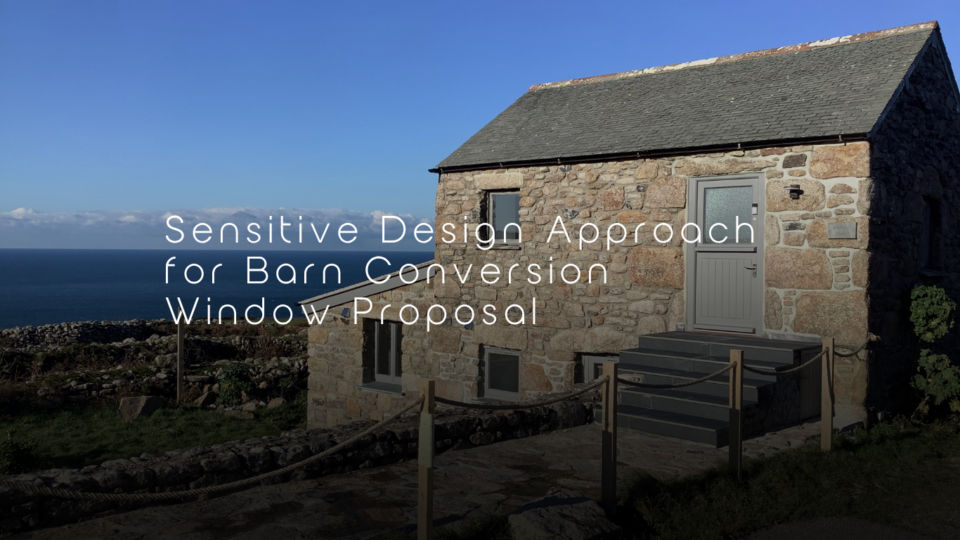
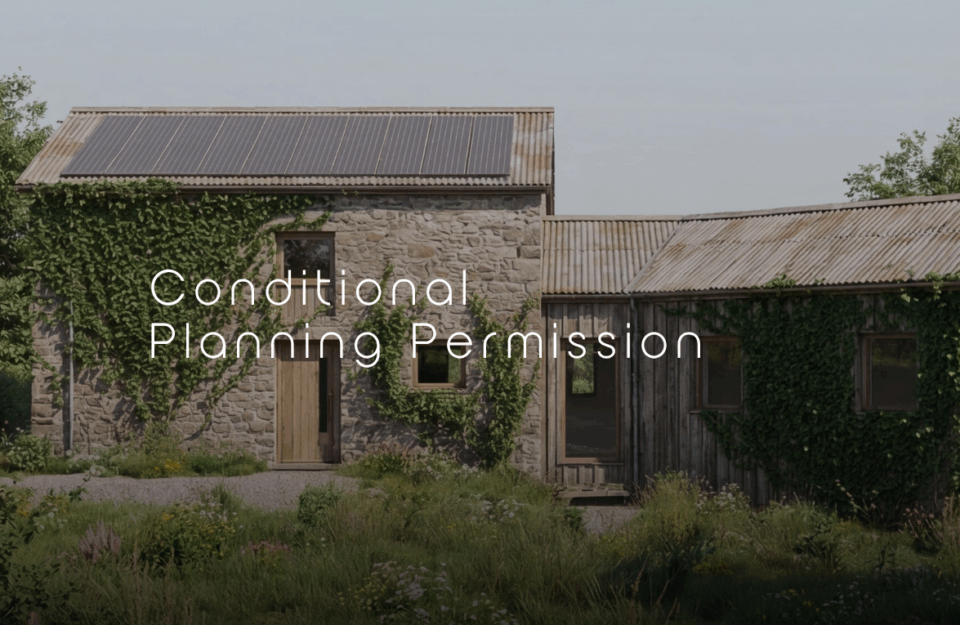
Every project presents a unique opportunity to celebrate the qualities that already exist, from natural stone walls and exposed timber to historic detailing that simply cannot be recreated.
Finding the Balance Between Old and New
One of the biggest challenges in adaptive reuse is achieving the right balance between heritage and contemporary design.
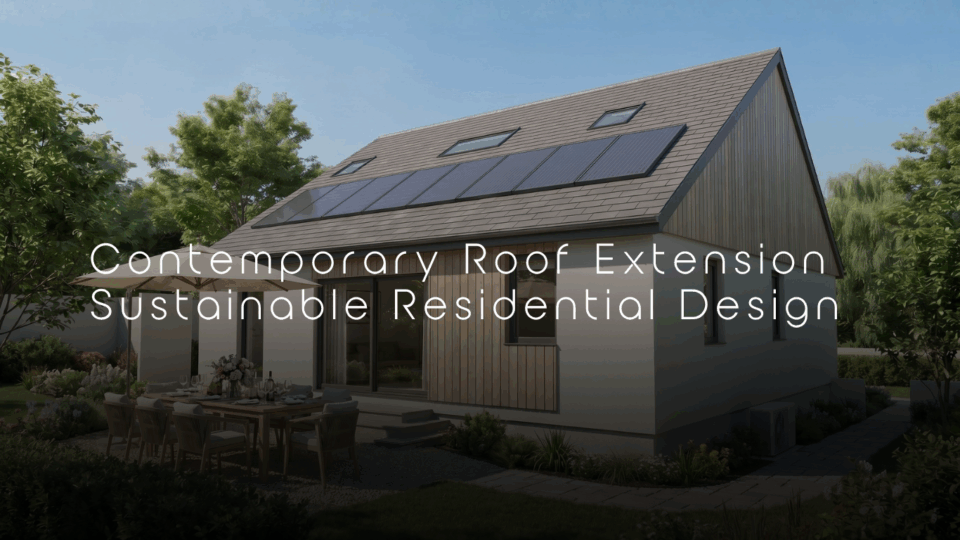
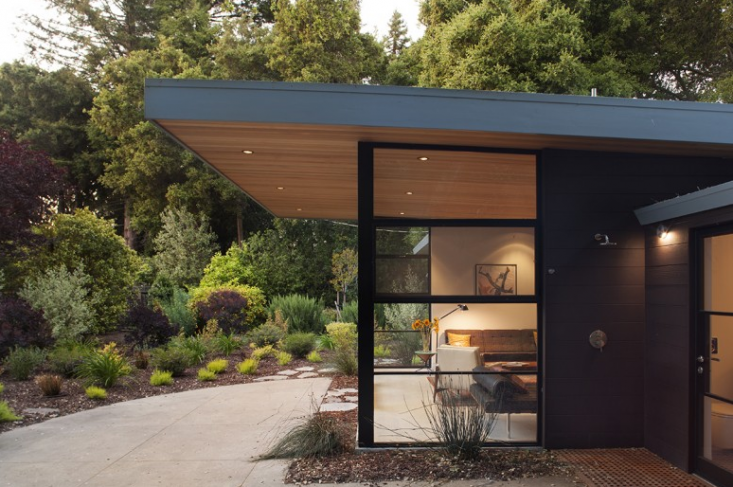
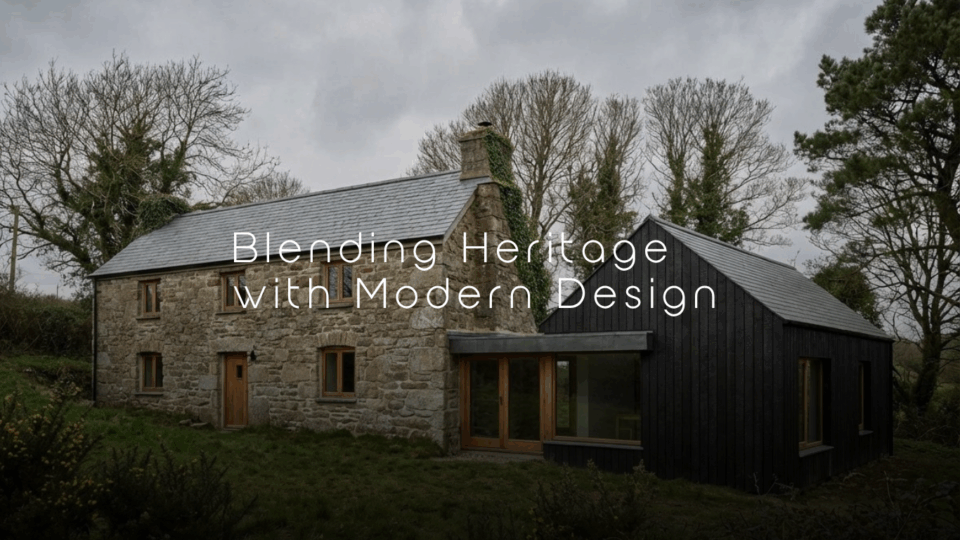
Rather than competing with the original building, modern additions should complement it. Clean lines, carefully selected materials and sympathetic proportions allow old and new to sit comfortably together, creating a clear distinction between historic fabric and modern intervention.
The result is architecture that feels honest, considered and enduring.
The Benefits of Adaptive Reuse
Choosing to adapt an existing building offers a number of long-term benefits.
Preserving Character
Older buildings possess a sense of identity that new construction often cannot replicate. Retaining original features helps preserve local heritage and creates homes with genuine personality.
Improving Sustainability
Reusing an existing structure significantly reduces demolition waste and makes better use of the materials already in place. Combined with modern construction techniques and energy efficient upgrades, adaptive reuse can create more sustainable buildings for the future.
Creating Unique Homes
No two adaptive reuse projects are ever the same. Existing buildings naturally influence the design, resulting in homes that are distinctive, practical and full of character.
Thoughtful Design Creates Better Places
Successful adaptive reuse is about understanding the building before designing for it. Every decision, from material selection to layout and glazing, should enhance both the original structure and the way people will live within it.
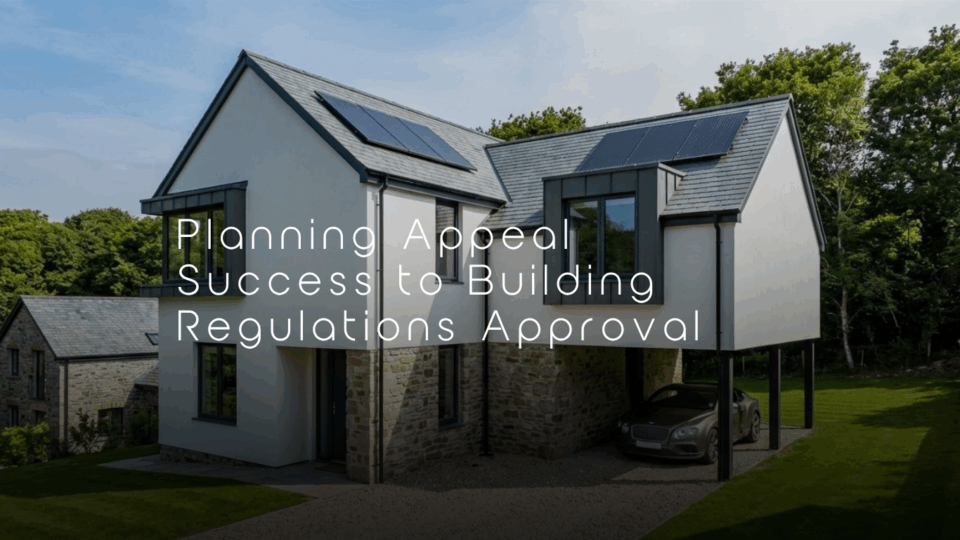
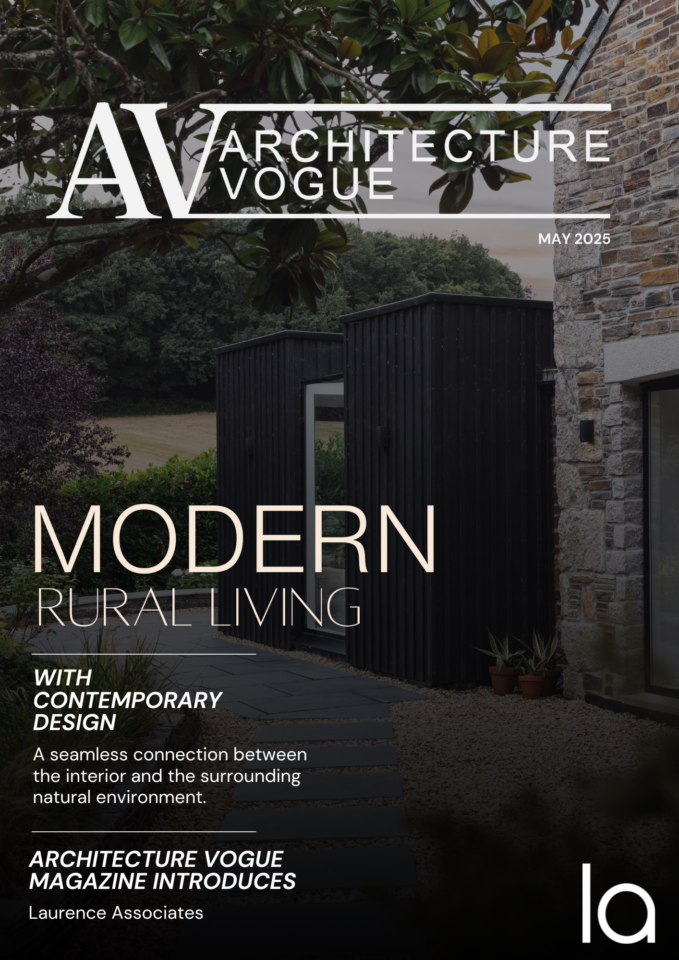
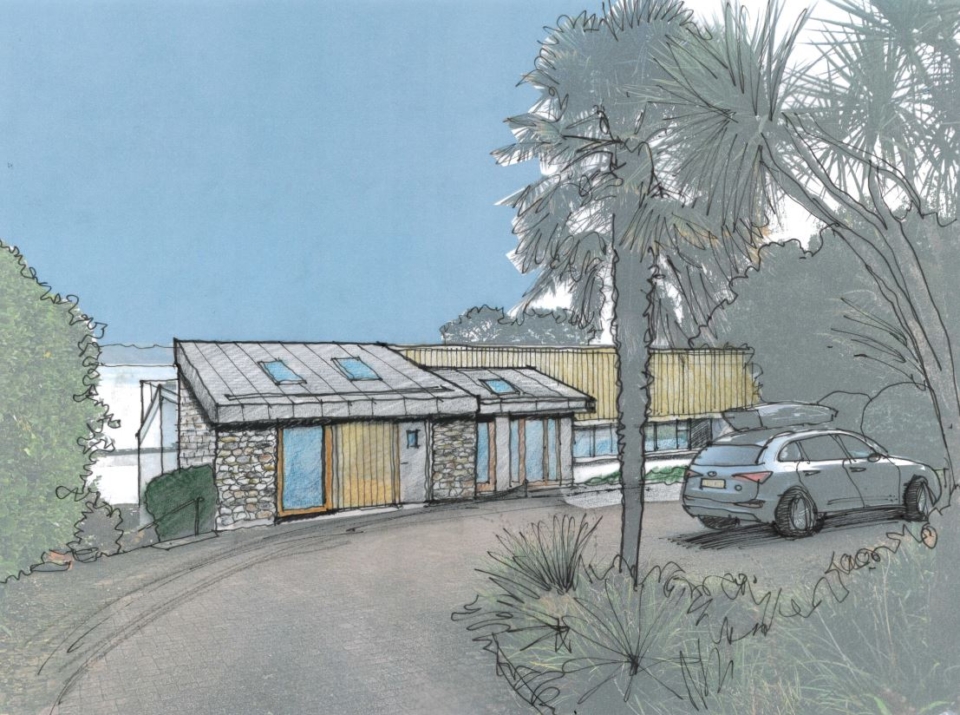
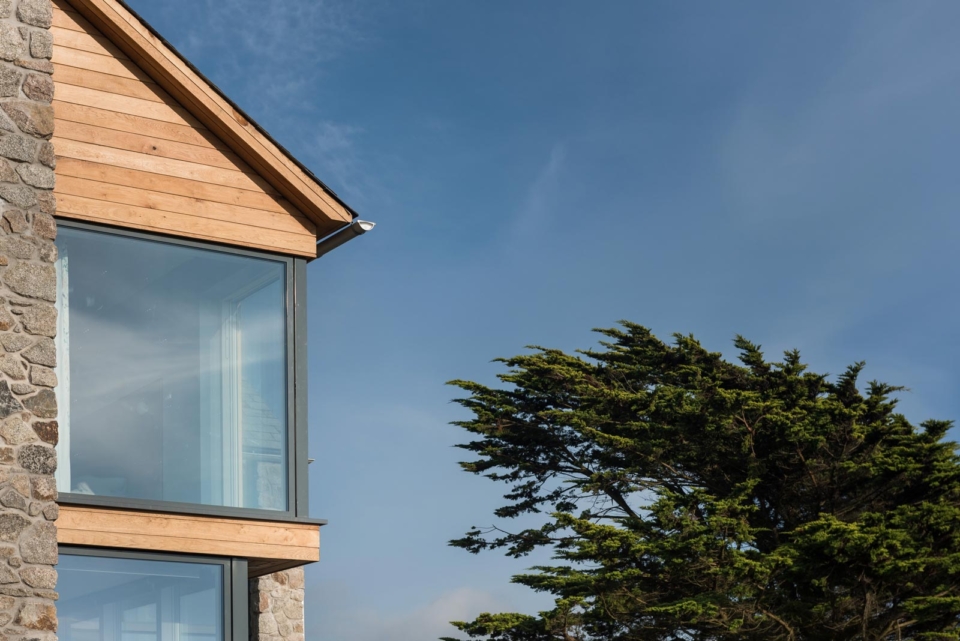
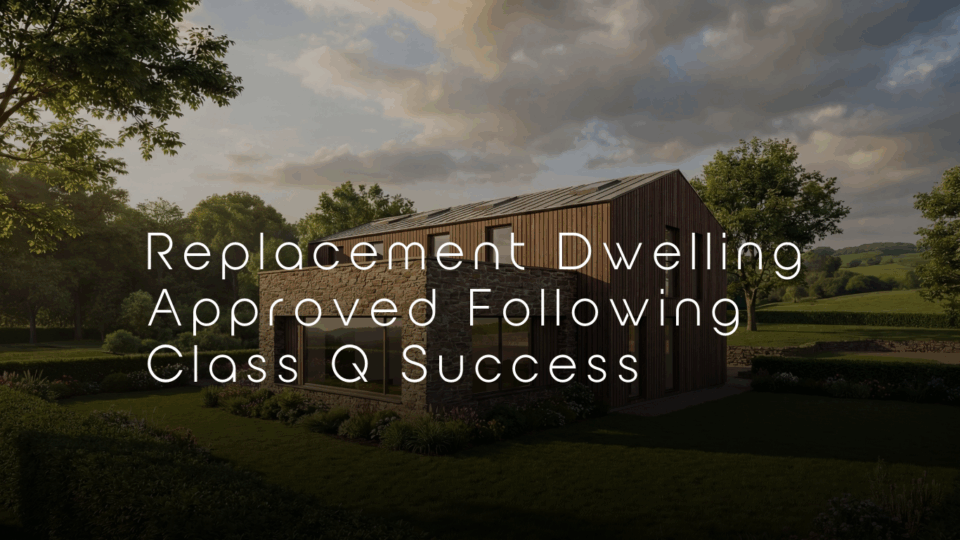
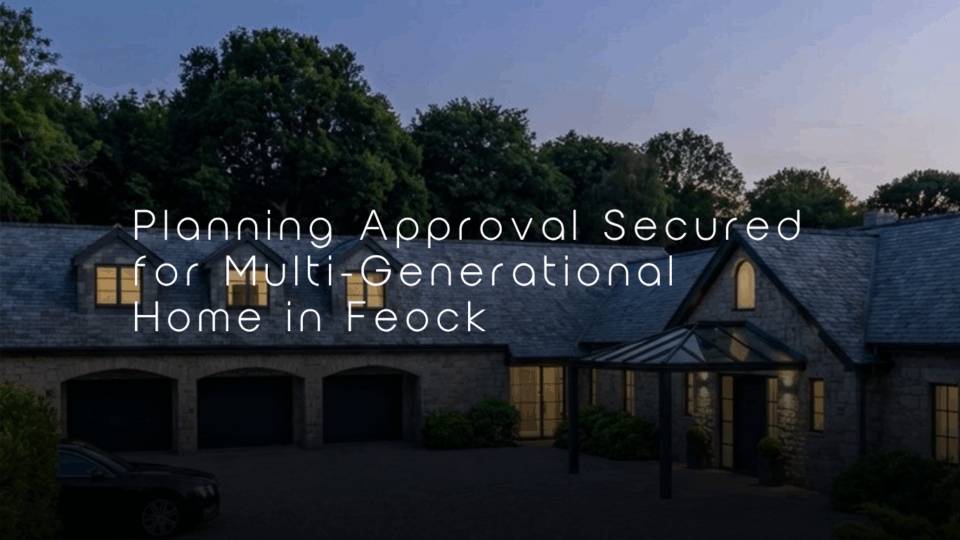
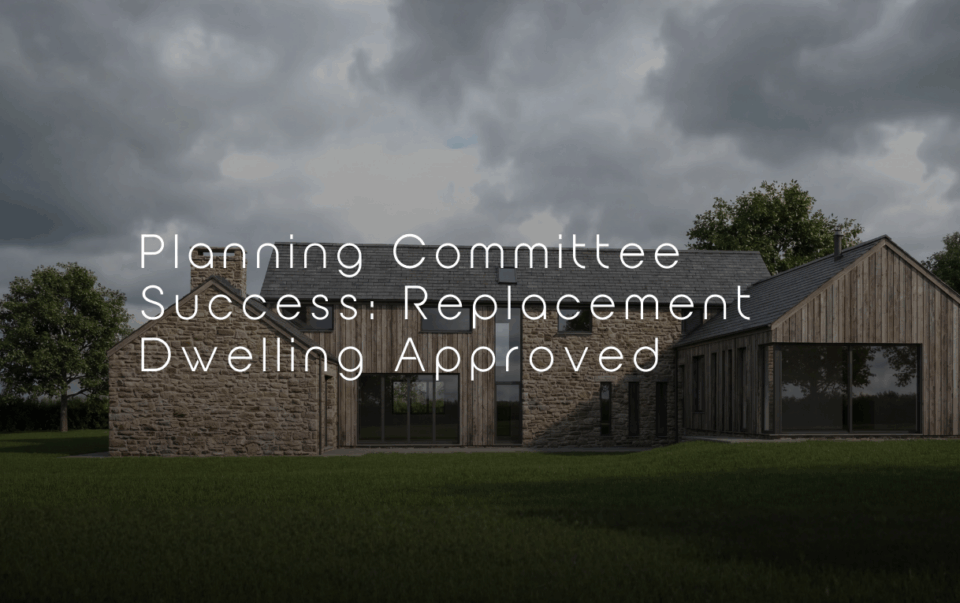
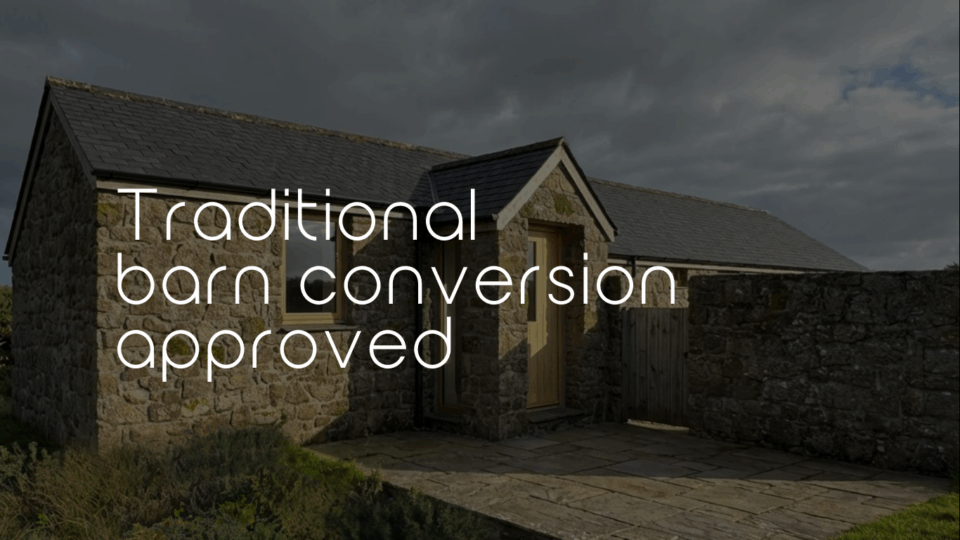
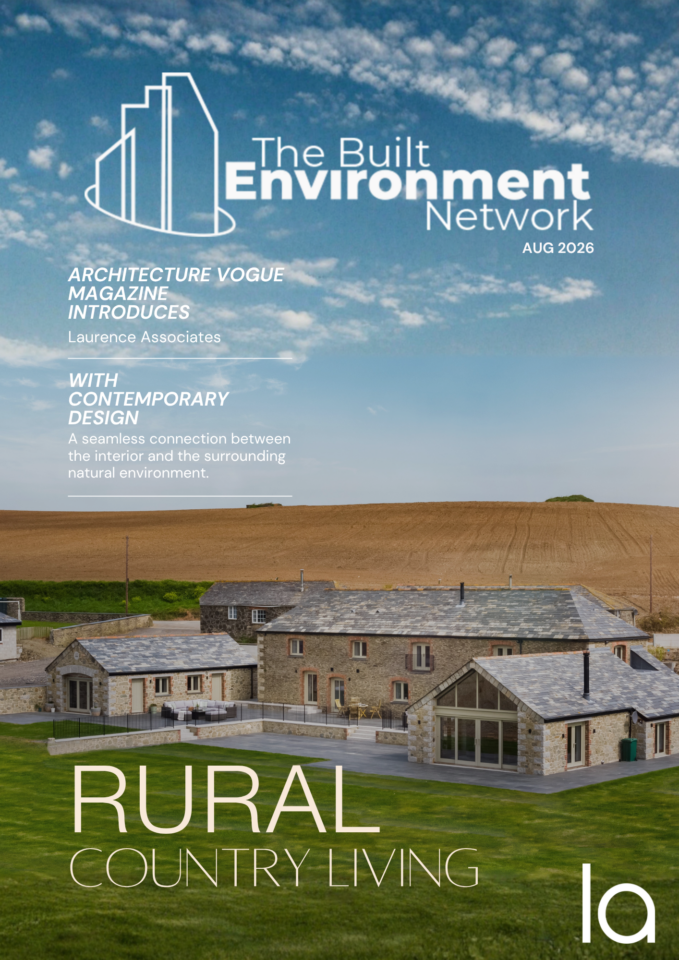
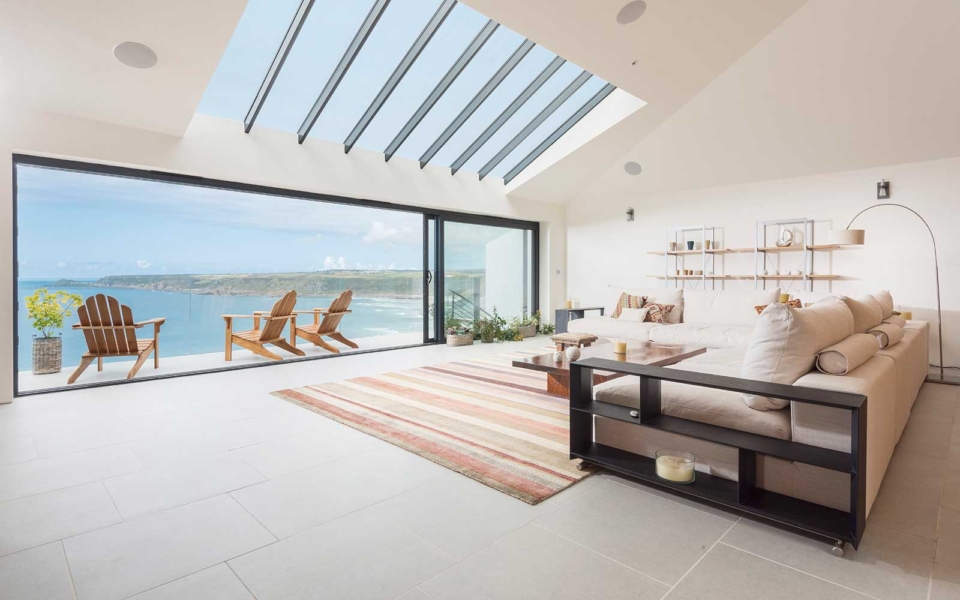
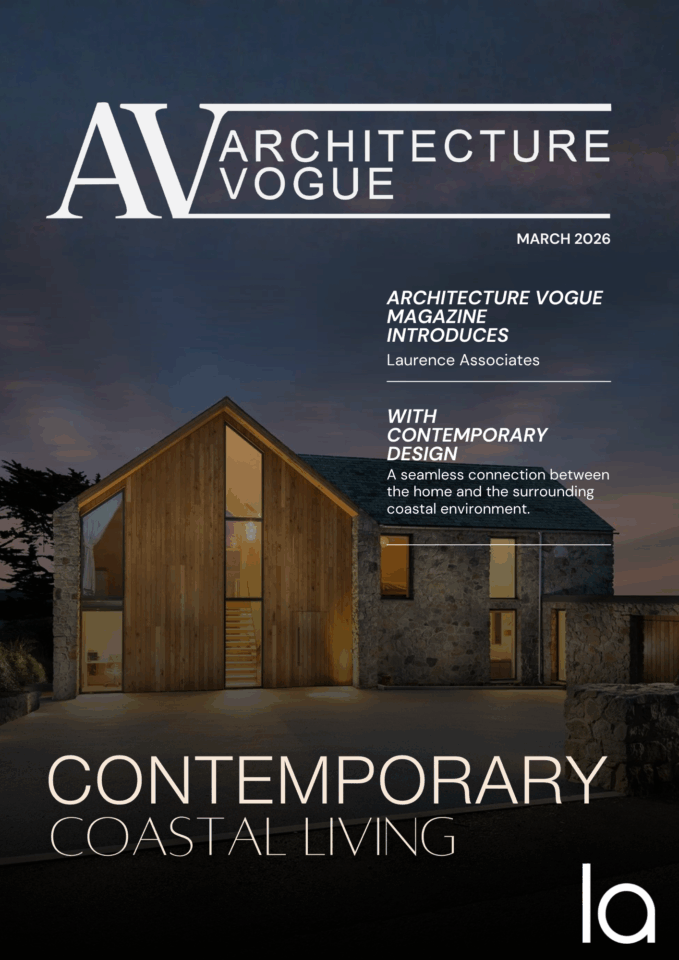
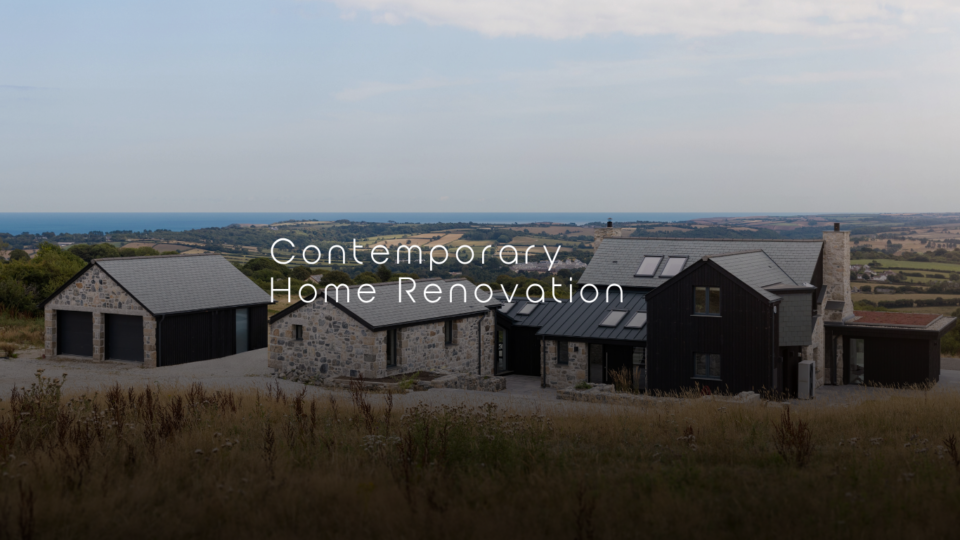
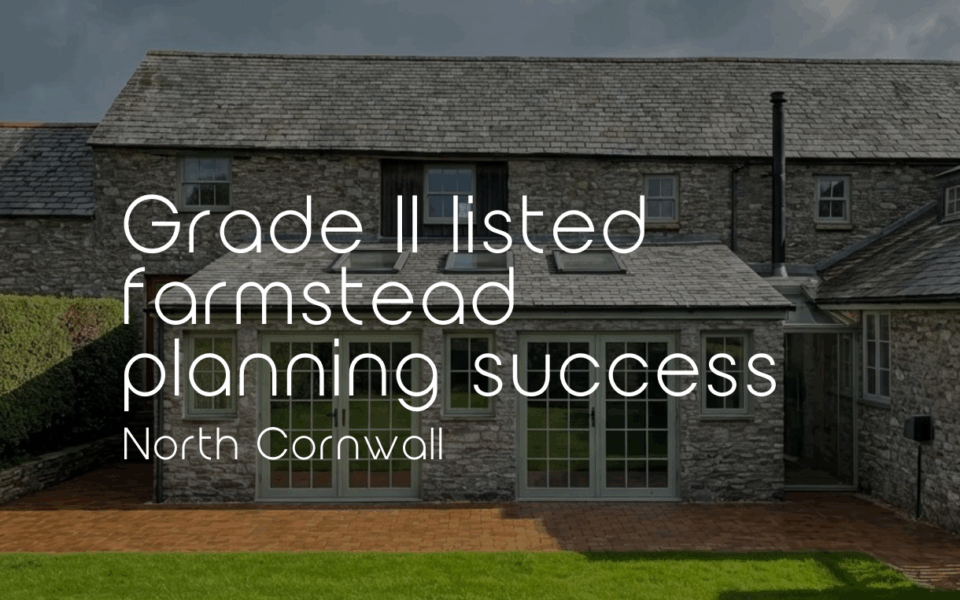
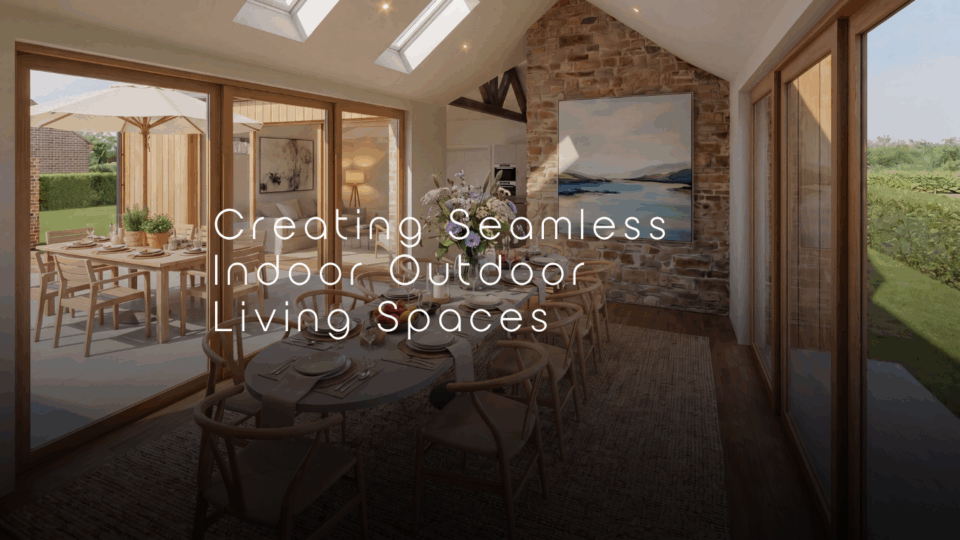
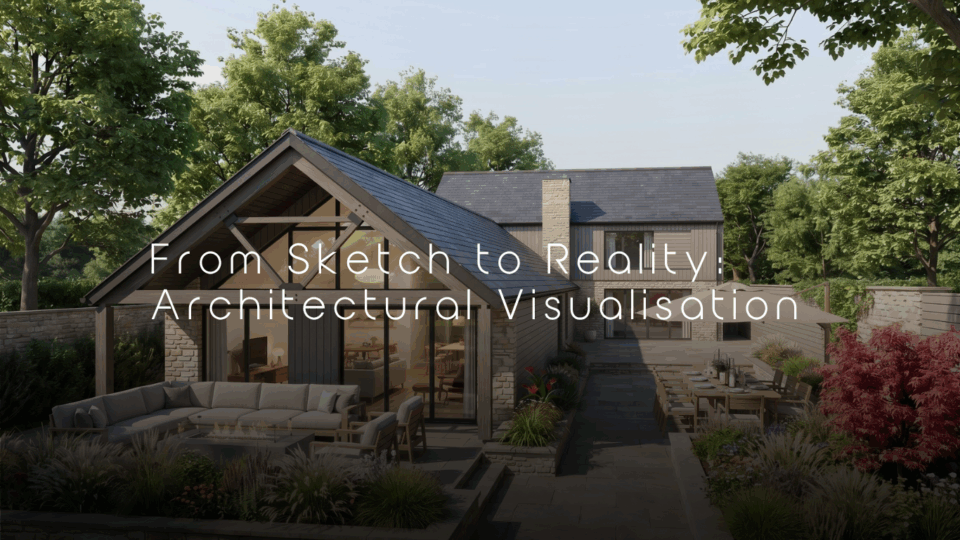
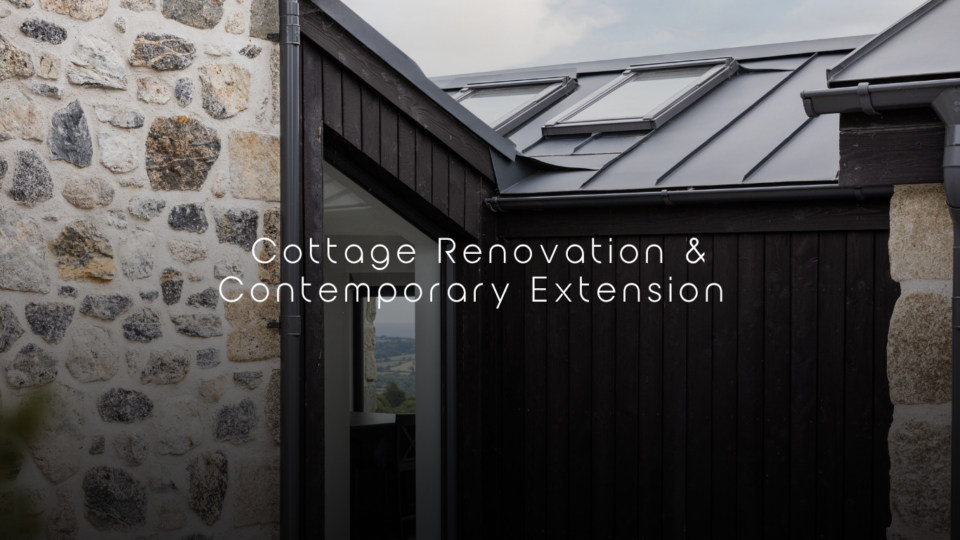
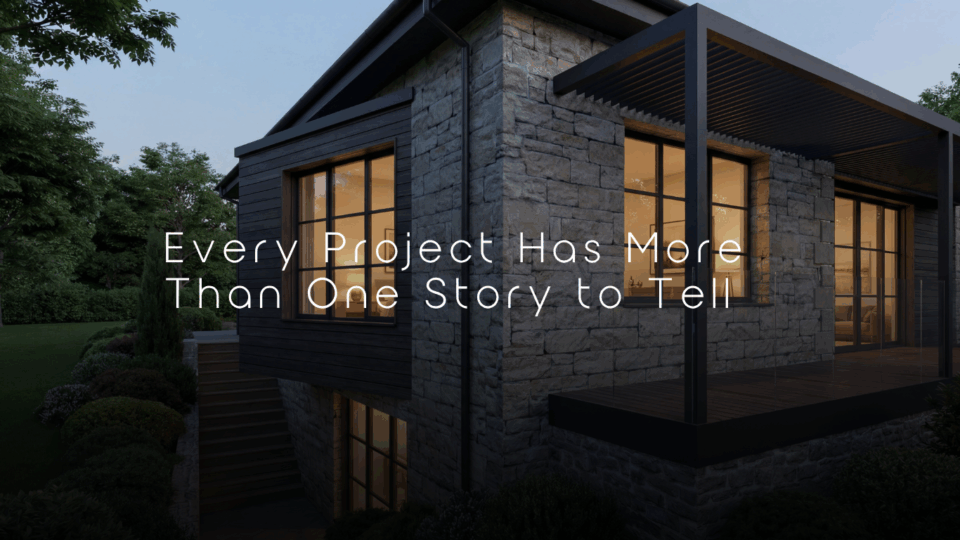
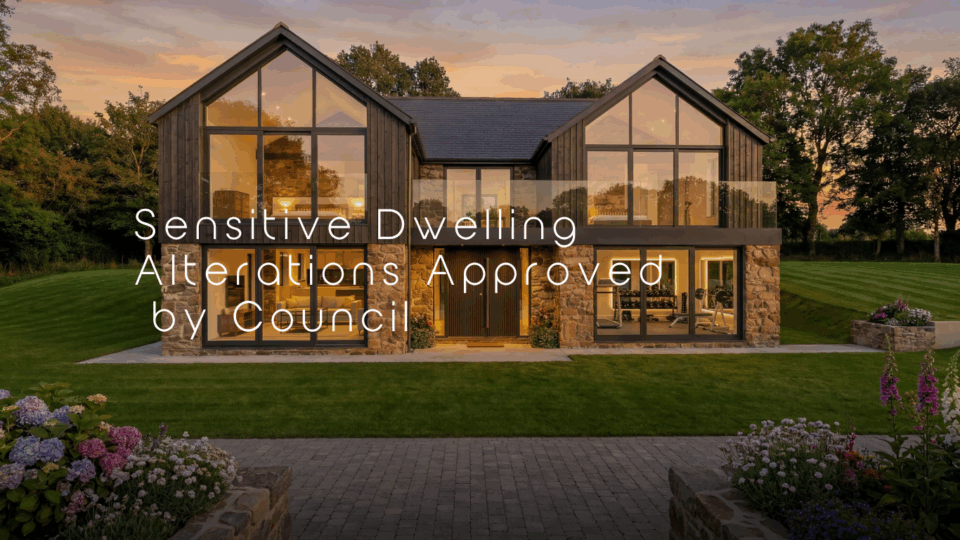
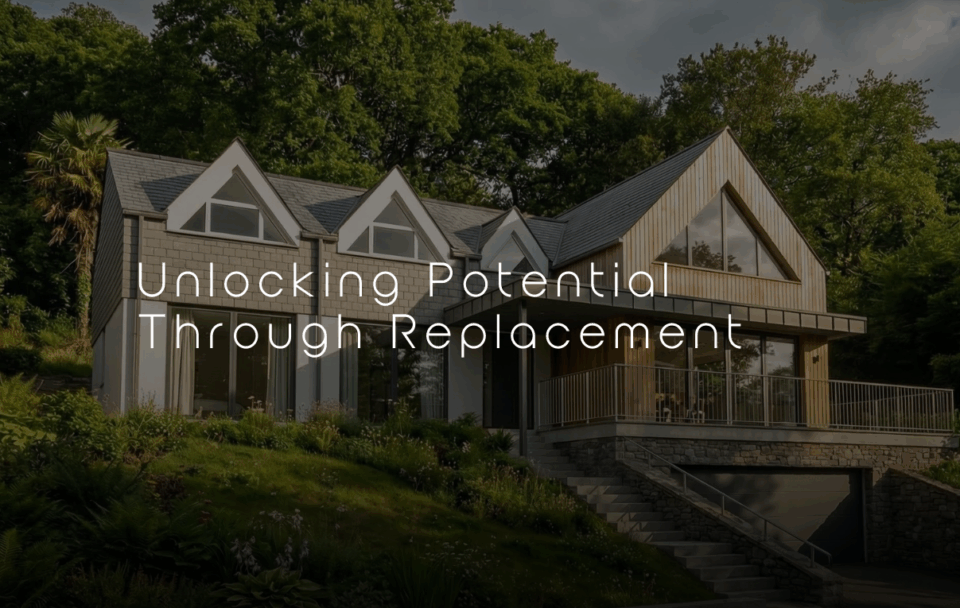
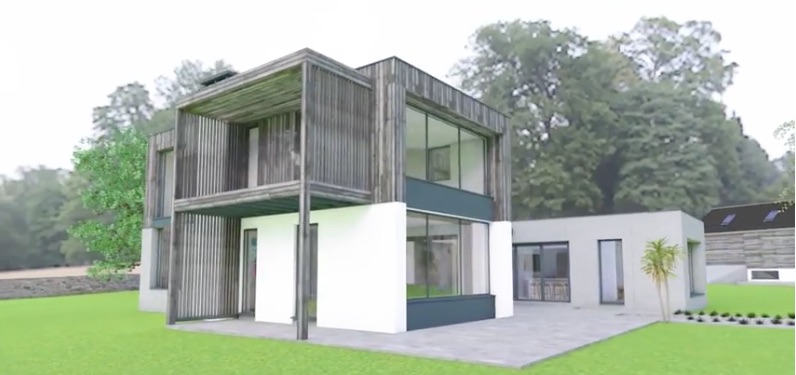
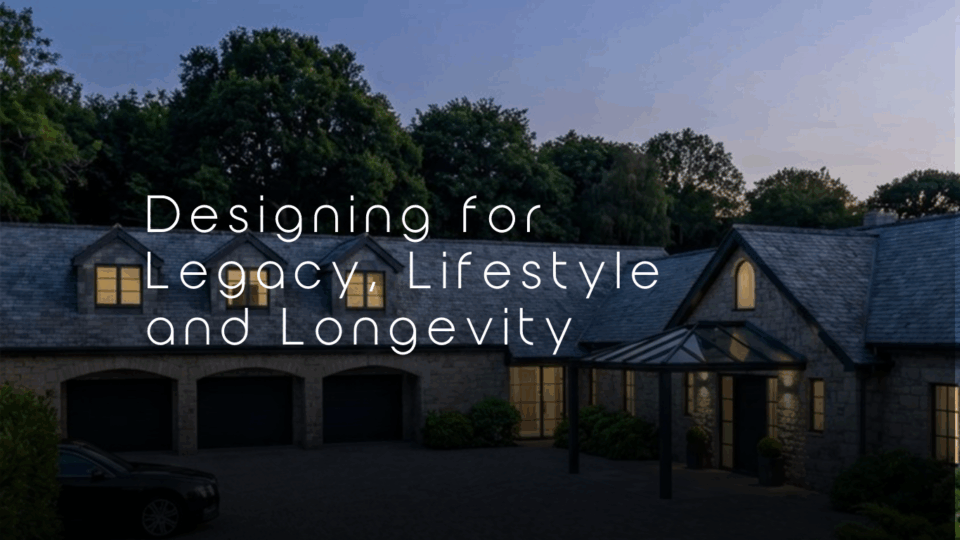
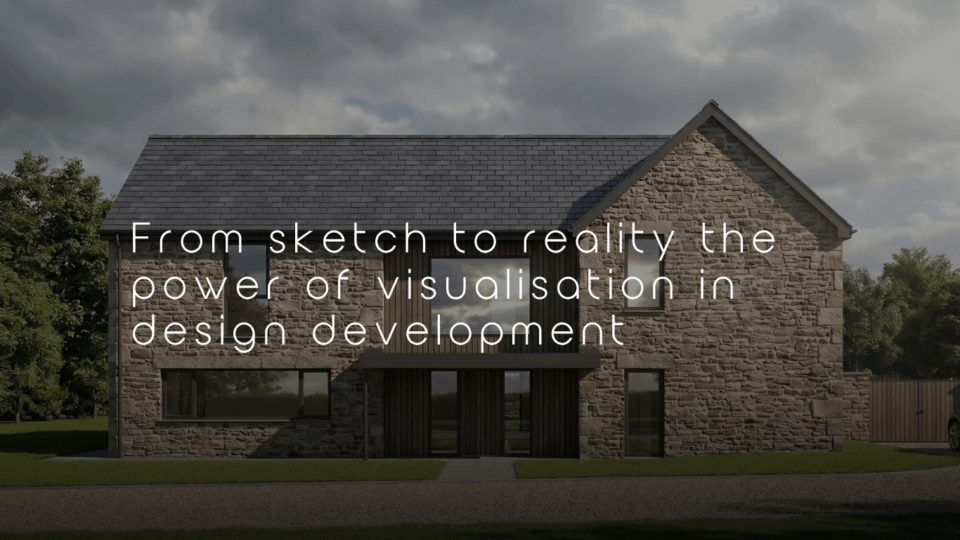
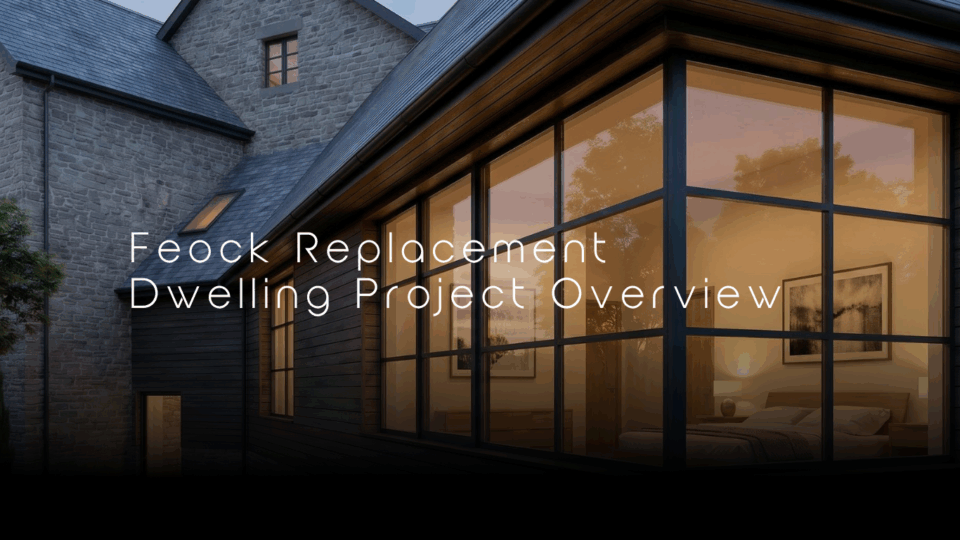
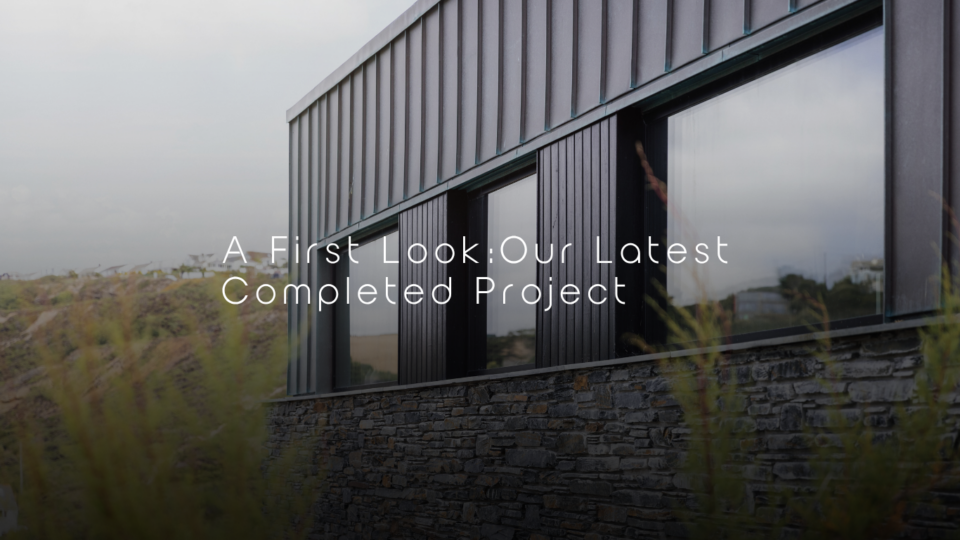
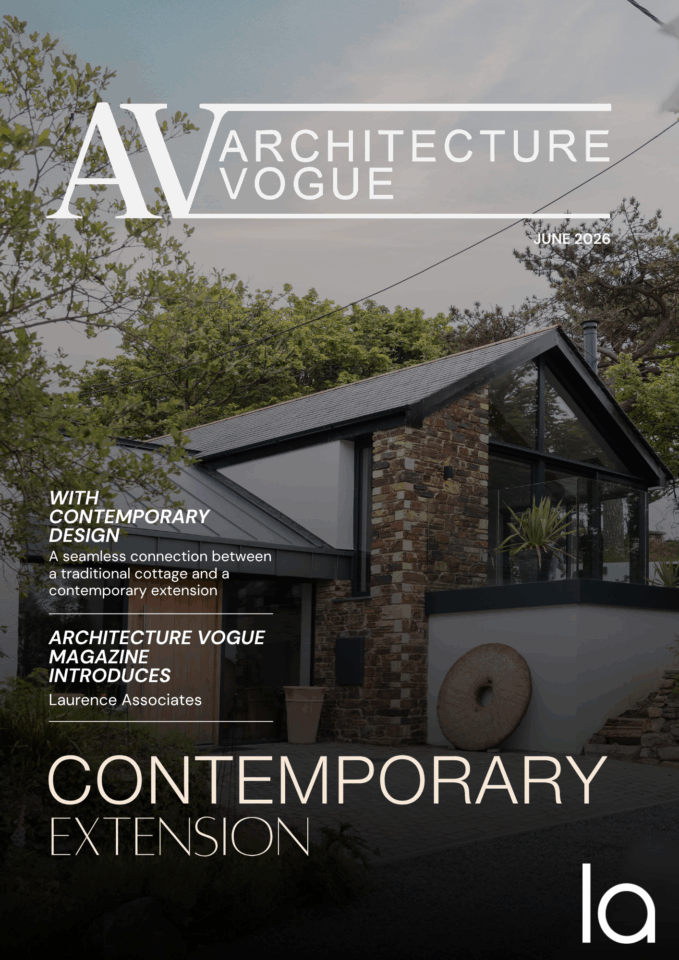
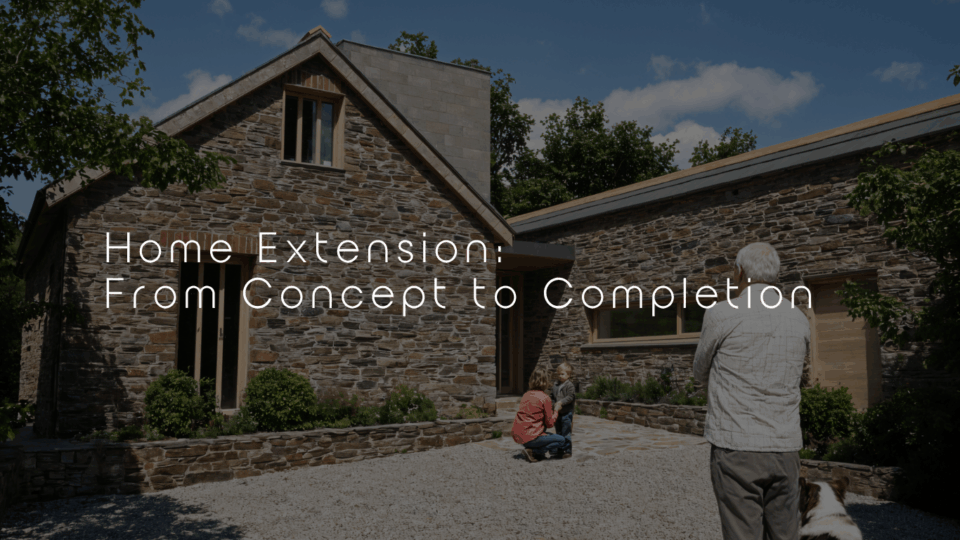
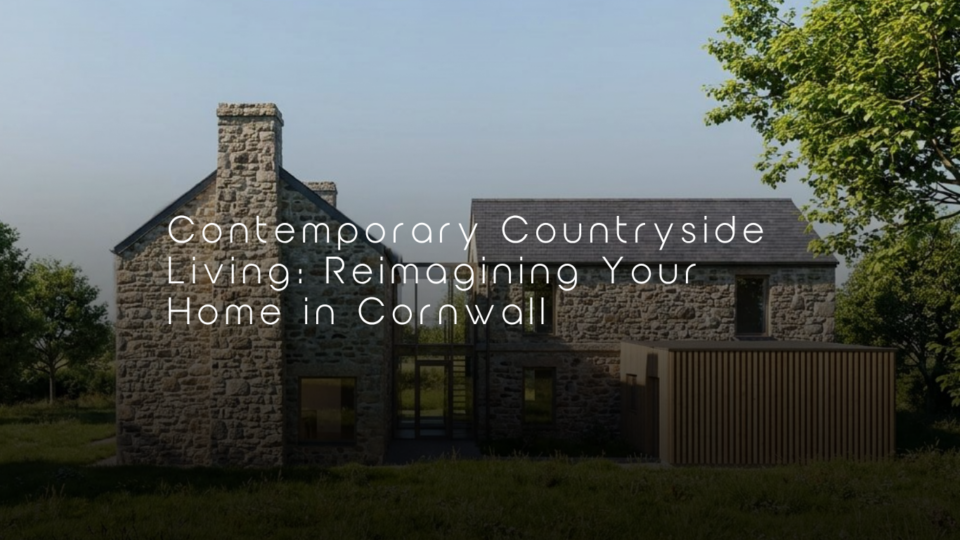
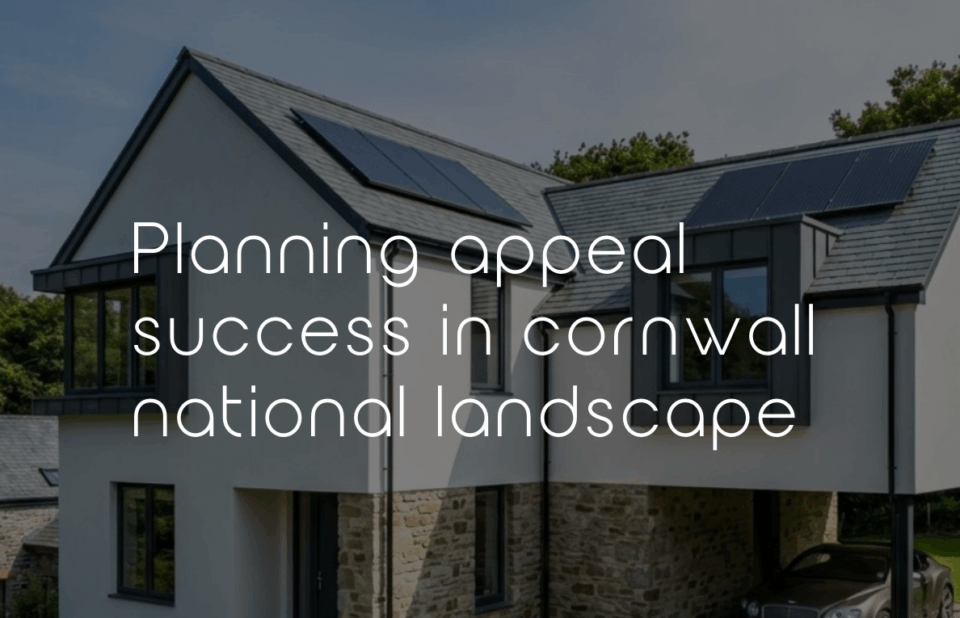
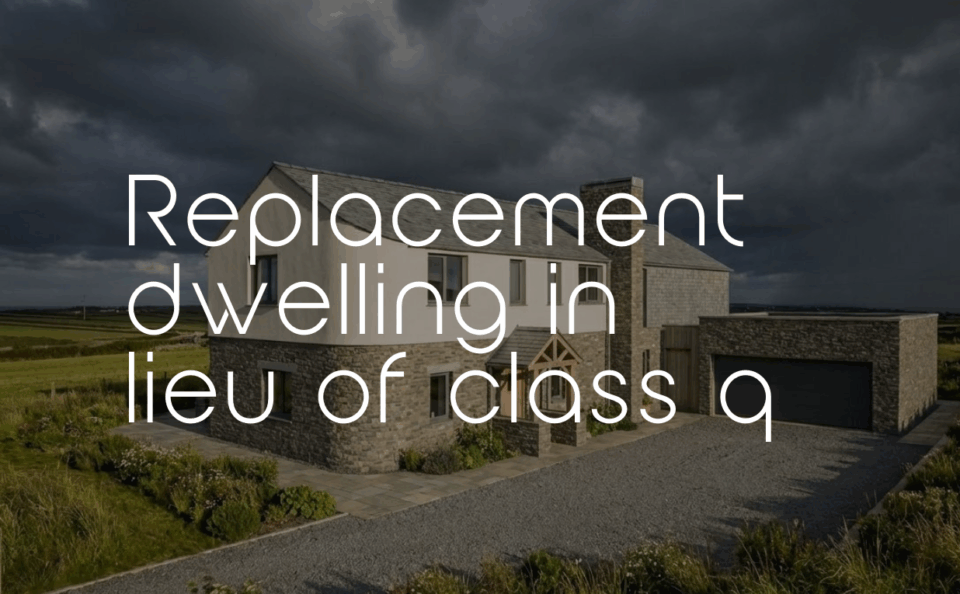
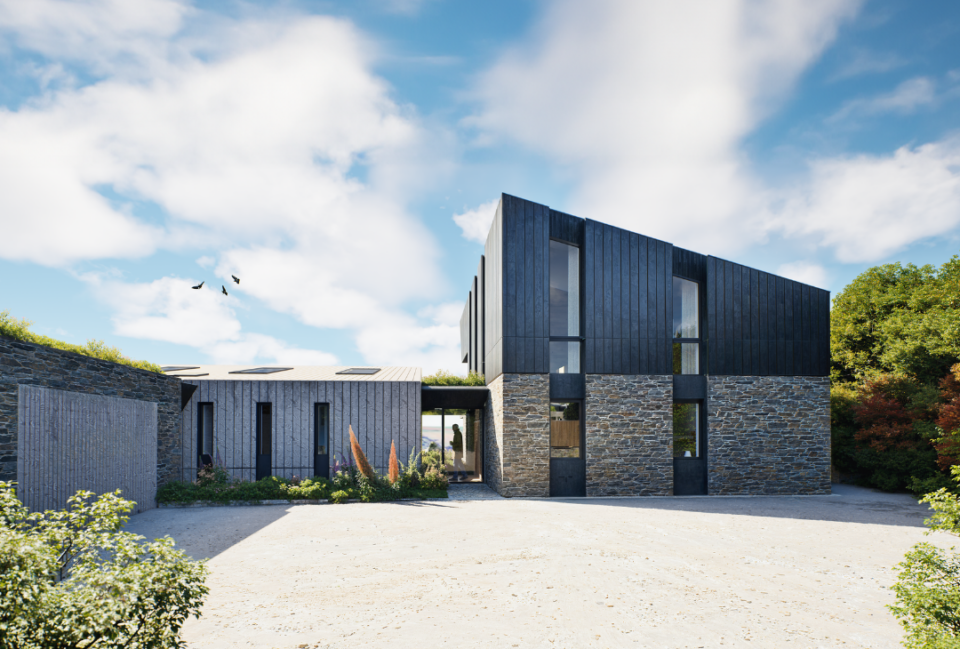
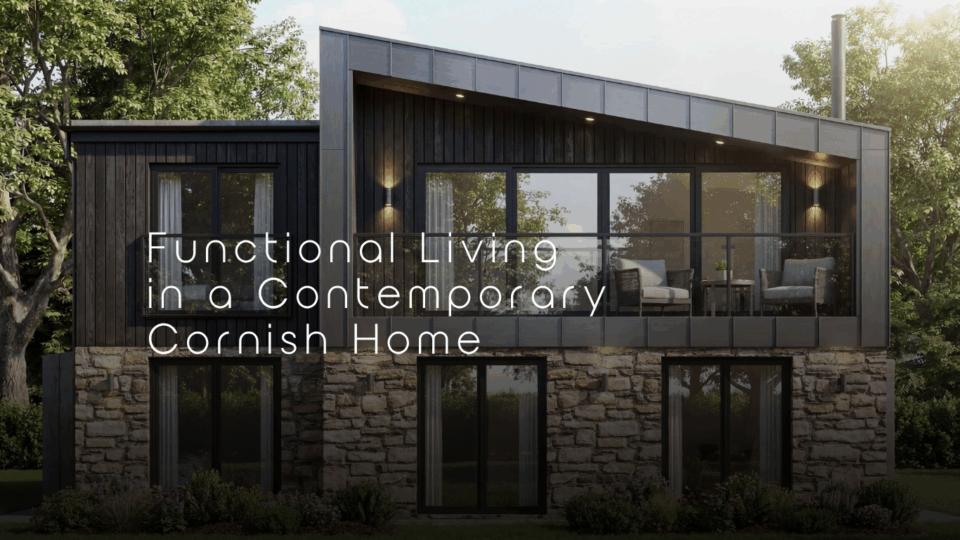
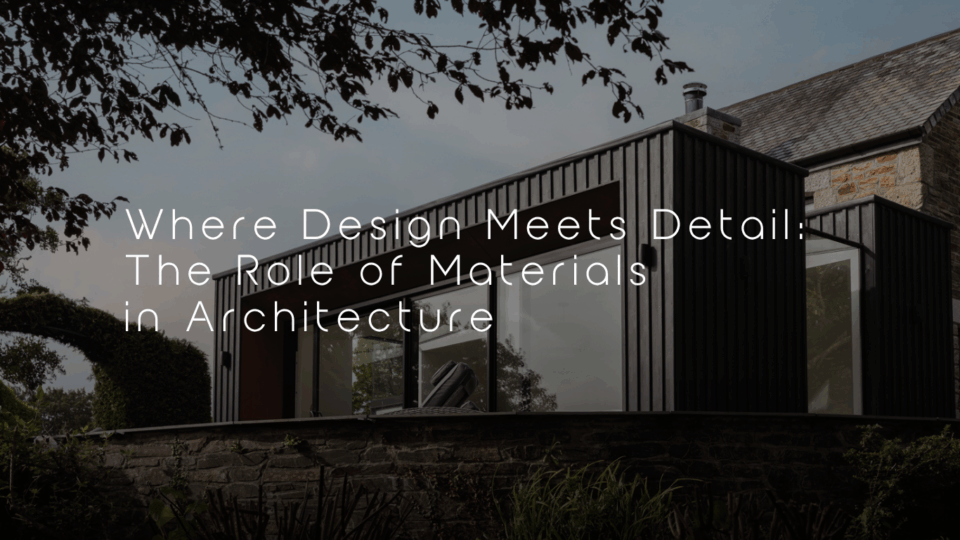
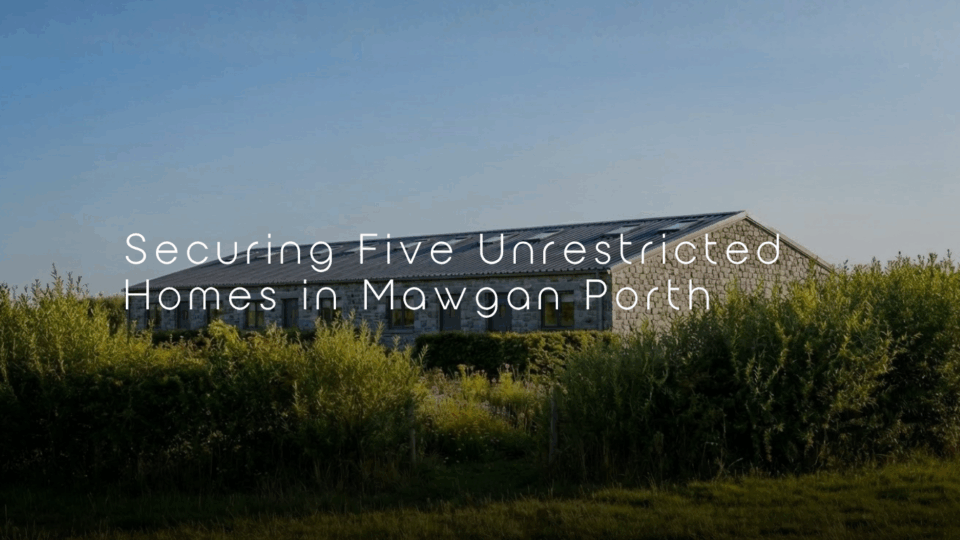
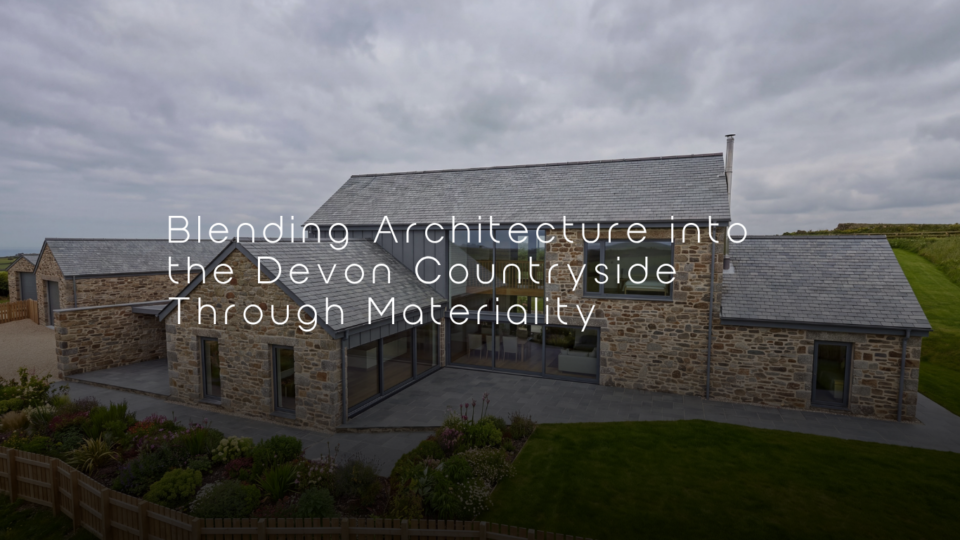
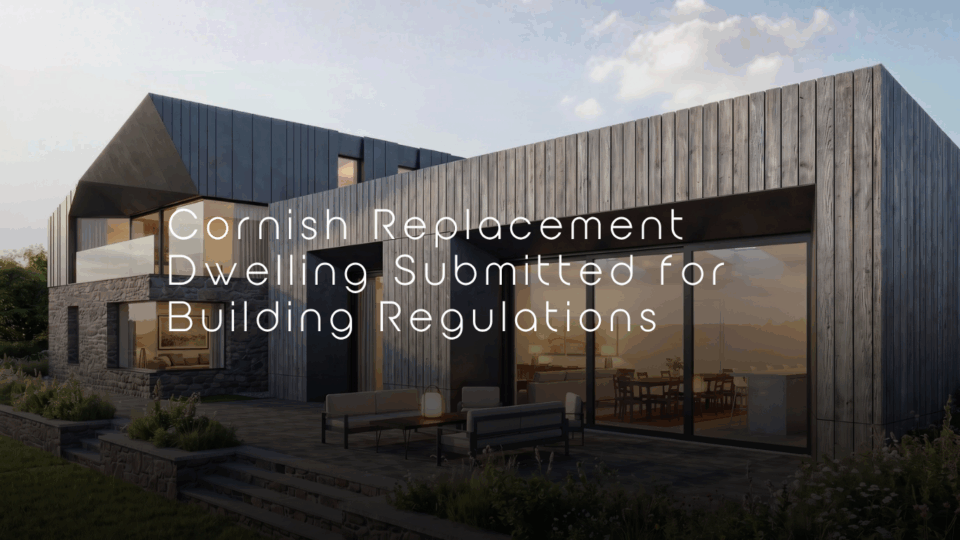
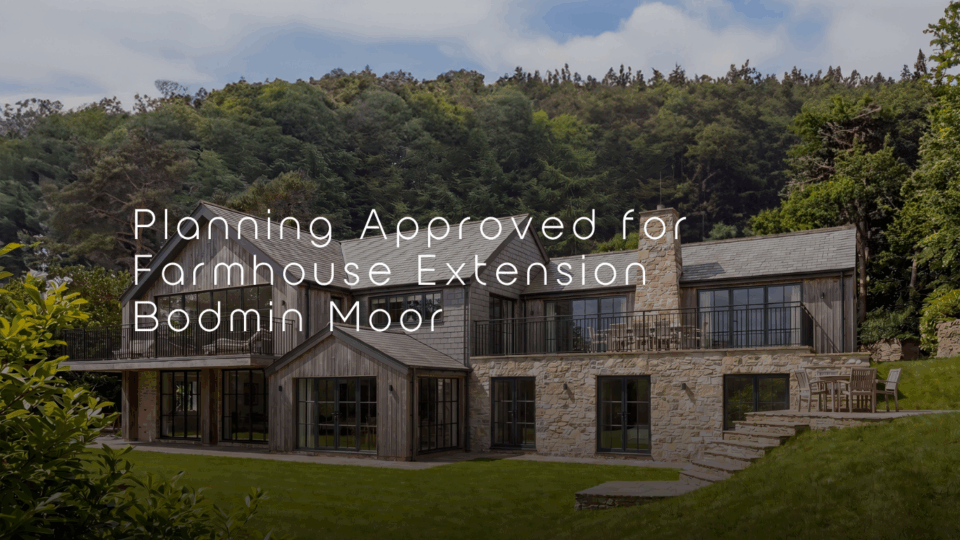
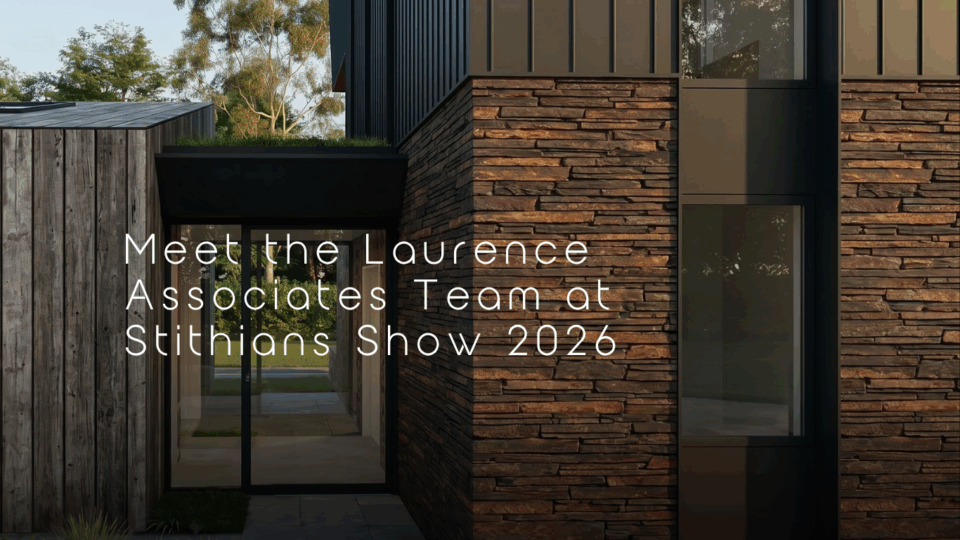
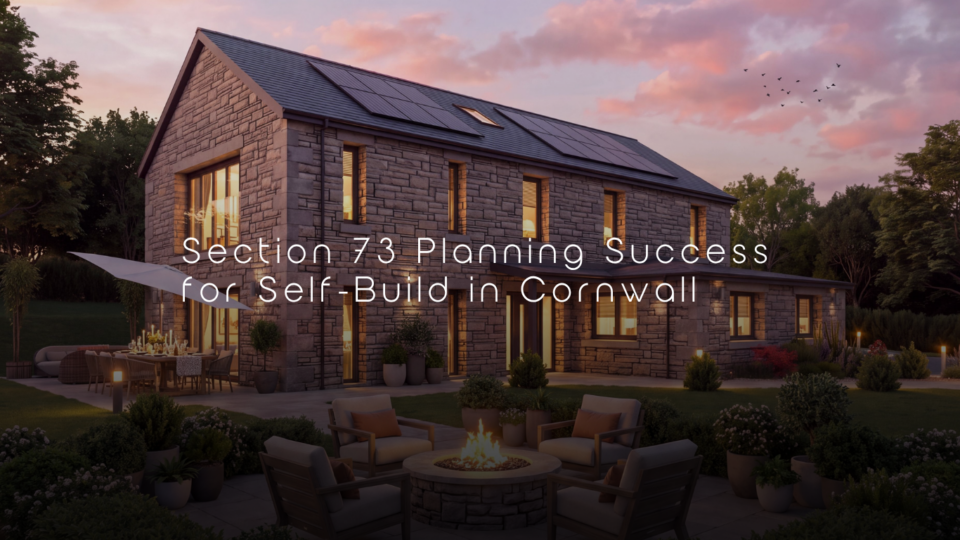
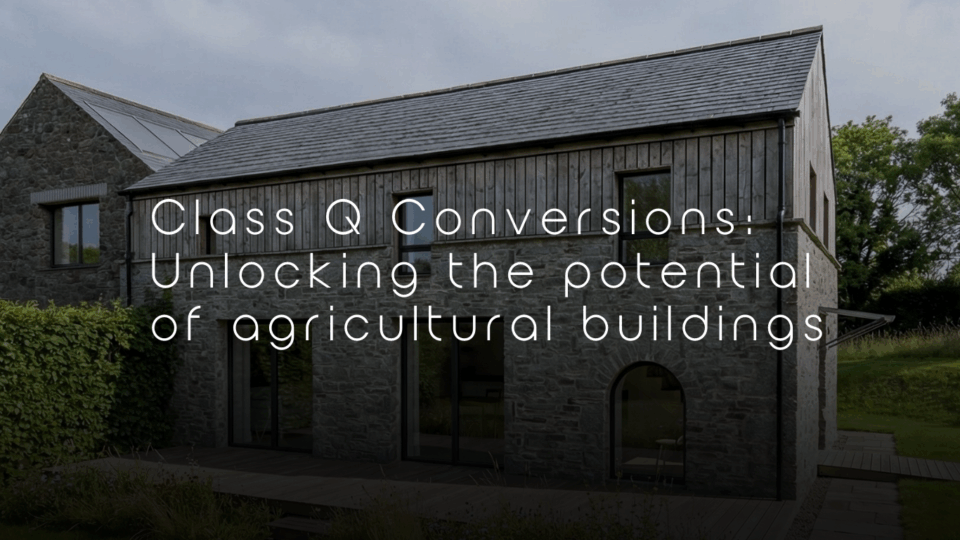
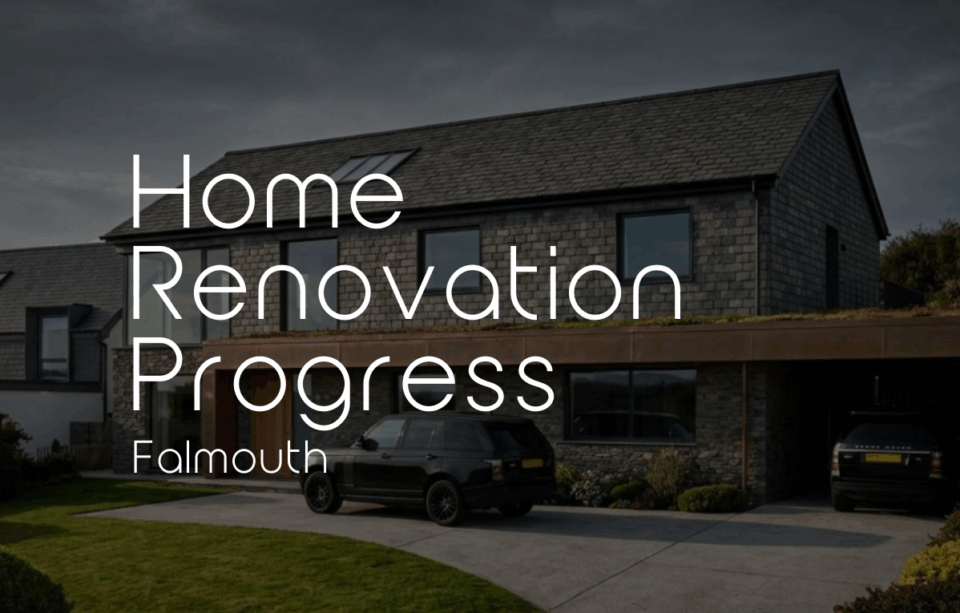
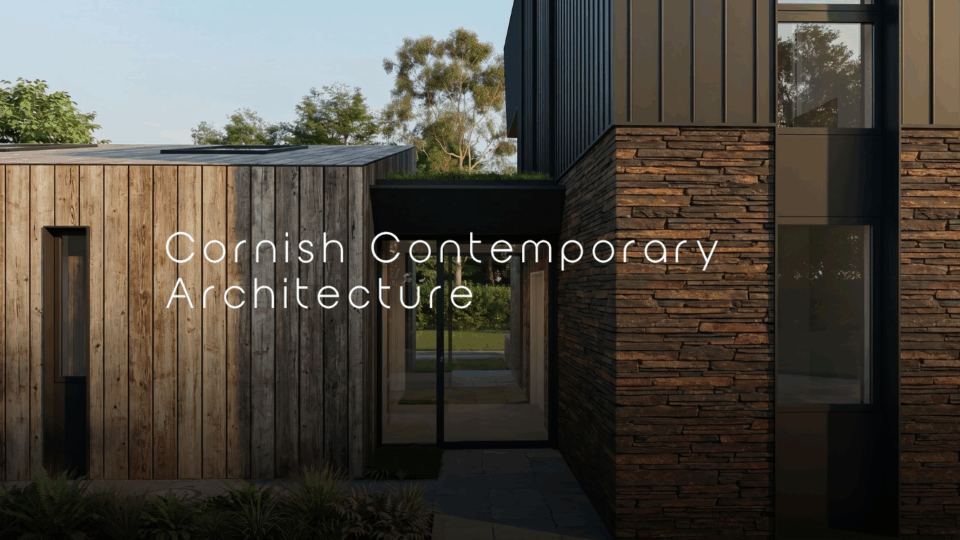
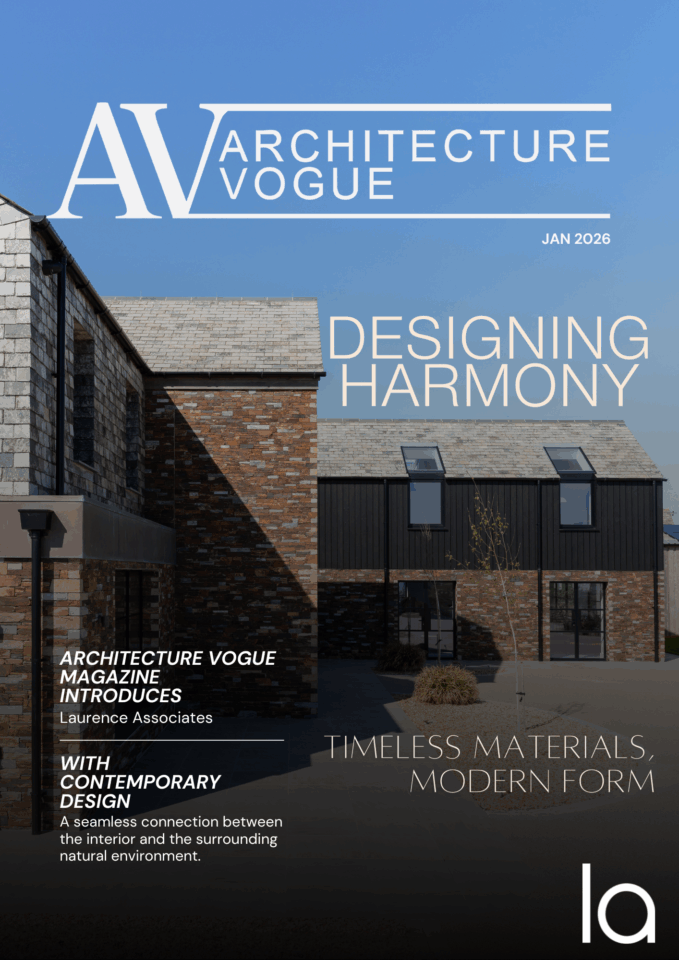
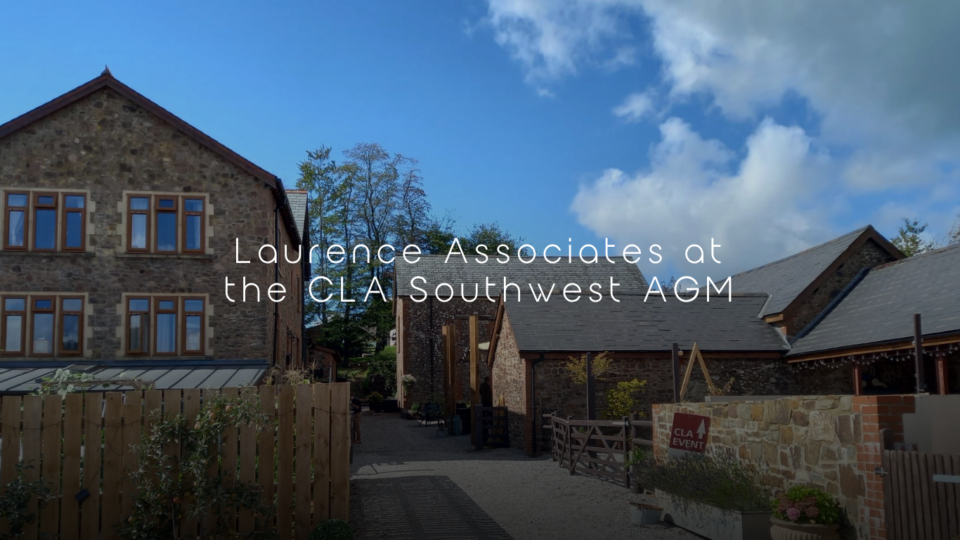
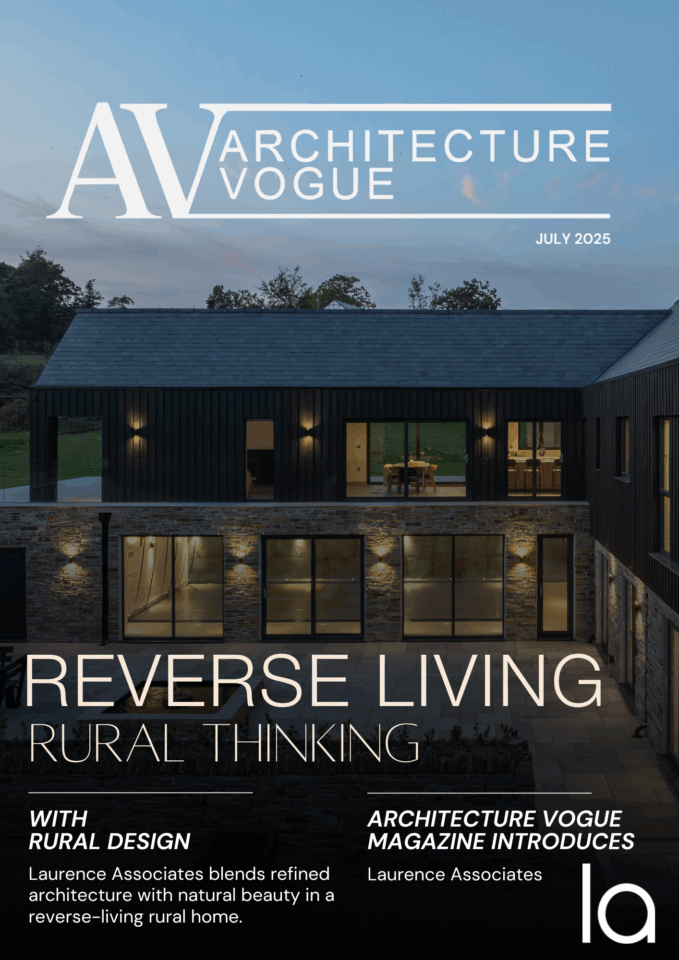
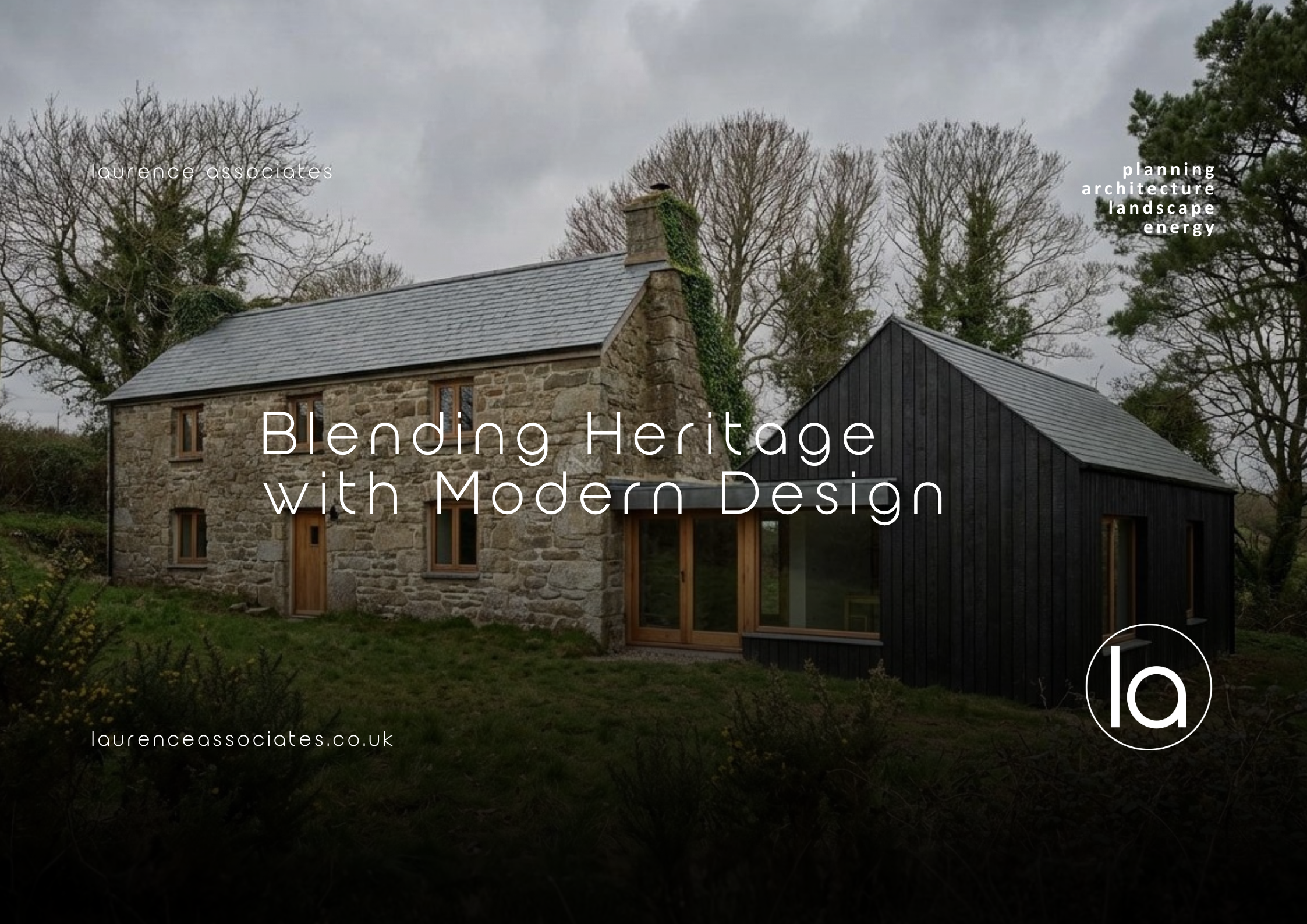
The project shown here demonstrates how traditional stonework can be paired with contemporary architectural design to create a home that feels connected to its history while offering bright, modern living spaces.
Designing for the Future While Respecting the Past
At Laurence Associates, we see adaptive reuse as an opportunity rather than a constraint. By working with the existing building, we create architecture that celebrates heritage, supports sustainable development and delivers homes designed for modern lifestyles.
Whether you are considering restoring a historic property, extending a traditional home or transforming a redundant rural building, thoughtful design can unlock its full potential while ensuring its story continues for generations to come.
Truro: 01872 225 259
Exeter: 01392 979 135
Email: hello@laurenceassociates.co.uk