Moving house is one of the most stressful things the majority of us will do in our lives. Fact. Doesn’t it follow, therefore, that stress levels will increase exponentially if you decide to build your own home? Yes and no.

For most of us, our homes will be our single largest lifetime expense, so why not aspire to have exactly what you want, rather than settling for one of the mass-produced off the-shelf identikit builds which proliferate in our countryside?

The Government appears to regard self-builds as the silver bullet to fix to the nation’s housing shortage and wants to double their number by 2020. Since April 2016,  all local authorities in England have been legally required to keep a register of people on the lookout for building plots. Only time will tell whether it has any significant impact.

But despite growing up in an age where there are almost as many aspirational property shows on TV as there are channels to carry them, we are late to the self build party. The UK has the lowest rate of bespoke homes than any other European country. The figure currently stands somewhere between 7%-10% (around 13,000 homes a year), compared with 80% in Austria and 60% in France.

That said, most commentators agree that self builds are no longer the domain of the privileged few. According to the National Self Build Association, six million people in the UK want to build their own home and 100,000 subscribe to one of the main plot-finding websites.

Five reasons why you should self build

In our experience, there’s a plethora of convincing reasons for choosing to build. Here’s our top five:

1. A unique home.

Building from scratch will give you a bespoke, high quality home tailored to your individual requirements, rather than a generic developer-built property designed to appeal to a mass audience. It’s for the same reason that it’s likely to be easier to recoup more of your investment when you come to sell.  When you build your own home, you’re starting with a blank canvas and can settle on a floor plan to suit your needs, as well as fixtures and fittings to match your tastes and budget. You can also incorporate additional green features, minimising its carbon footprint and reducing your energy bills.

2. More for your money.

It’s a cost-effective route to owning your own home. According to the National Custom and Self Build Association (NaCSBA), self builders can save up to 30% on the market value of buying an existing house.

3. VAT.

Labour costs on new builds are zero rated for VAT. Moreover, you can reclaim VAT on a number of building materials post completion. If you’re extending or renovating your home, you’ll pay VAT at 20% on everything.

4. Stamp duty.

You only pay stamp duty on the value of the land rather than the property. If you buy a plot for less than the current £125,000 threshold, you won’t pay any stamp duty, regardless of the market value of the finished house.

Beyond the threshold, the cost increases incrementally. For example, if you buy a property for £600,000, you’ll pay £20,000 in stamp duty.

5. Sense of achievement. 

Building your own home entails sacrifice and hard slog,  and most self builders end up renting accommodation  or even living in a caravan on site throughout the construction period. It can be exhausting, daunting, risky and challenging. But, it’s also likely to be one of the most rewarding things you ever do. The confidence you gain may even encourage you to repeat the experience.

For first time buyers struggling to get a footing on the housing ladder to DIY enthusiasts inspired by Kevin McCloud, it’s an enticing proposition.

Kevin McCloud says: “In the past we have built some of the poorest performing, most expensive and smallest homes in Europe. That’s not something to celebrate.

“Self build is seen as a long, difficult and self- sacrificing process. But with the right planning, help and support it can be enjoyable and – on collective schemes – empowering.”

So what are the stumbling blocks?  Issues with finding a suitable plot, securing finance, a lack of consumer confidence due to economic uncertainty, planning restrictions and red tape are enough to dissuade many of us.

You need patience, certainly. Finding the right plot for you will take time. There will be planning hoops to jump through. Again, this process doesn’t happen overnight. But you need to keep your eye on the prize:  a distinctive home which reflects your vision, meets your budget and suits your family’s changing needs.
 

All posts

Certificates of Lawfulness Explained

St Piran’s Day 2026 – Celebrating Cornwall’s Heritage

Waterside Lookout

SEC1 Compliance & Energy-Efficient Homes in Cornwall

Laurence Associates to Exhibit at Devon County Show 2026

Why Involve Landscape Architects in Biodiversity Net Gain Proposals

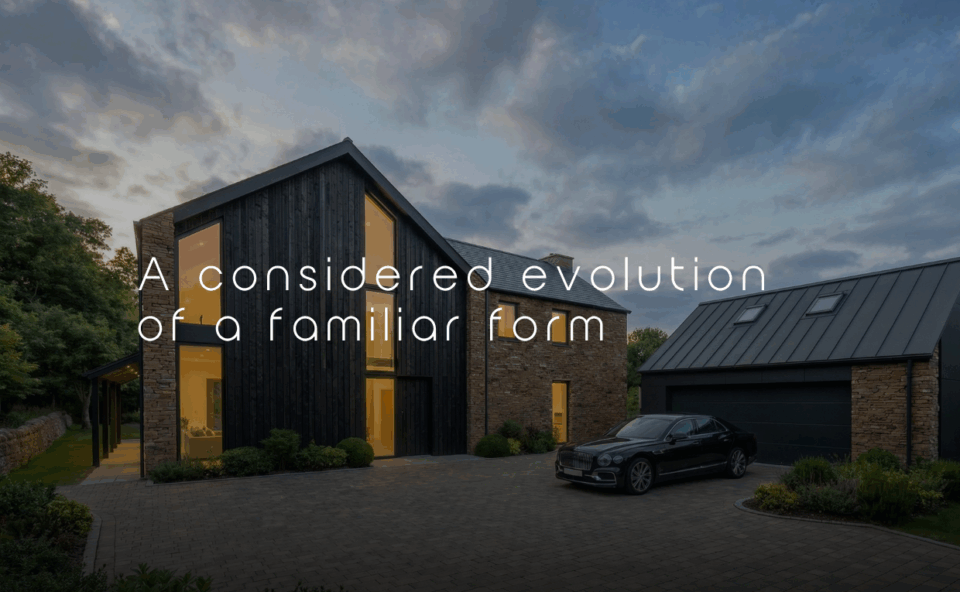
A considered evolution of a familiar form

Property Development Forum

Home Renovation Progress Falmouth

Seaside Sensation

Planning Appeal Success in Cornwall National Landscape

How to Find a Building Plot

New premises & 30 Years in the business

Regen Planning Conference

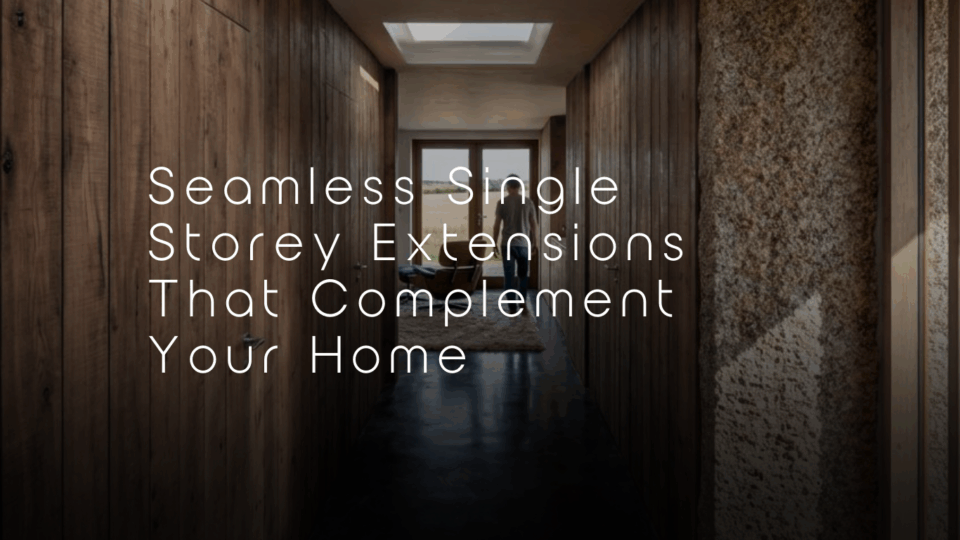
Seamless Single Storey Extensions That Complement Your Home

Outline Planning Consent for Hotel and Restaurant Development in Cornwall

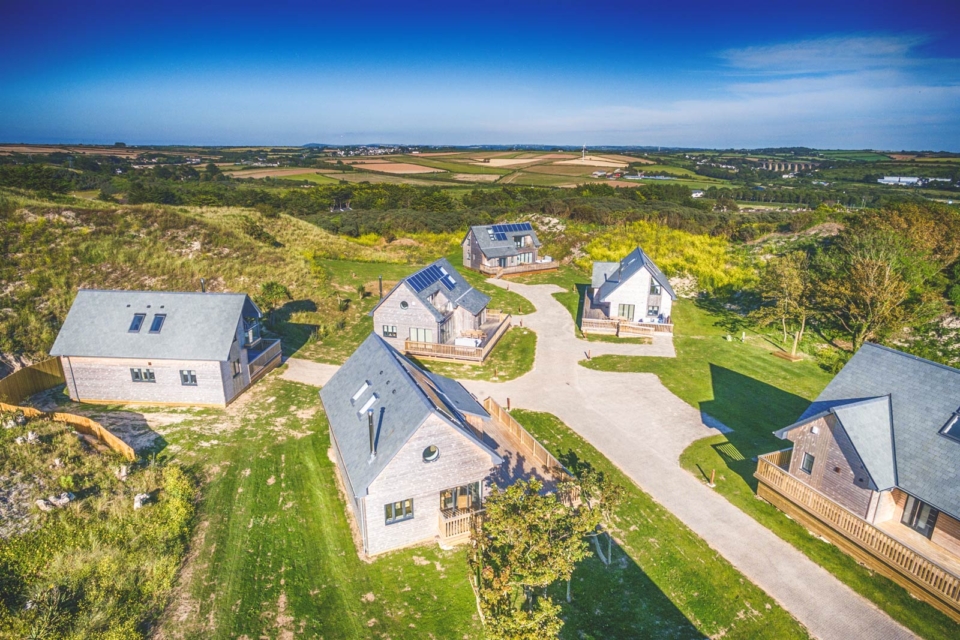
Eco development on the sand dunes at Hayle

Affordable Housing Success

Architecture Vogue – Greenbank Hotel

Unlocking Potential Through Replacement

What does the new Part O of the Building Regulations mean for a new home?

Happy Easter from Laurence Associates

Cornwall Council ‘Call For Sites’

Securing Planning Permission – Community Hall Poundstock

A positive appeal decision for Laurence Associates

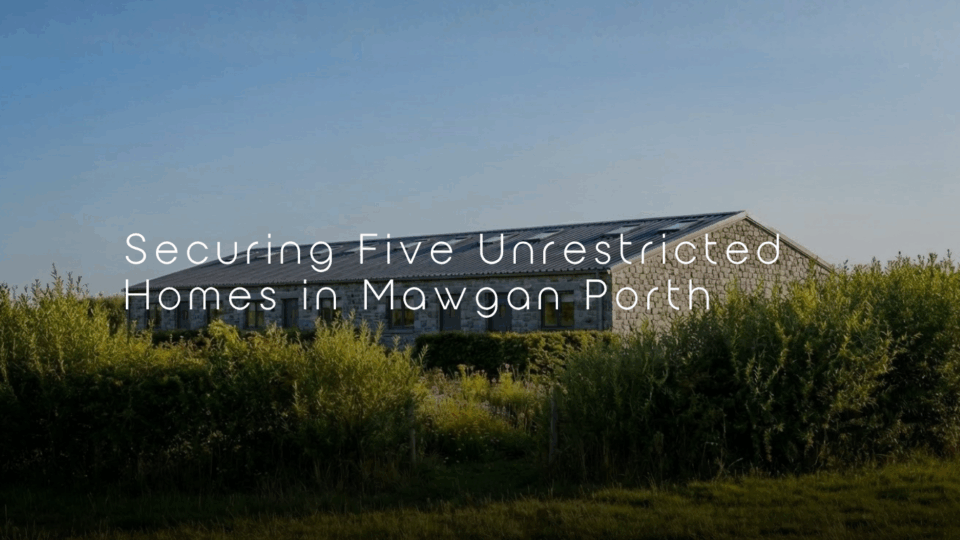
Securing Five Unrestricted Homes in Mawgan Porth

RIBA Safe & Healthy Environments CPD Completed

Appeal Success – Removing Occupancy Condition

Four Dwellings Approved Following Outline Consent

Laurence Associates Expands with New Office in Exeter

Restronguet Point – a room with a view

Laurence Associates Attending Townsend Landowner Seminar

Why Part T Is Changing Commercial Design More Than You Think

Laurence Associates – Royal Cornwall Show 2025

Graphisoft UK Awards 2024 – Small Project Of The Year: Under £5 Million

Planning Success in Tintagel

Building for Growth

Why Do a Self Build?

Rural Exception Scheme Approved in Perran Downs

Barn Conversions Under Class Q and Class R

Agricultural Barn Development Advice

Designing for Approval or Designing to Build?

Celebrating 20 Years of Leadership – Richard Marsden

Penzance Business Breakfast

Laurence Associates to Attend Business Fest

Celebrating 17 Years of Dedication: James Vivian, Associate Chartered Architectural Technologist

Progress Update: Shaping a Bespoke Home

Planning changes from April 2026: why expert advice matters more than ever

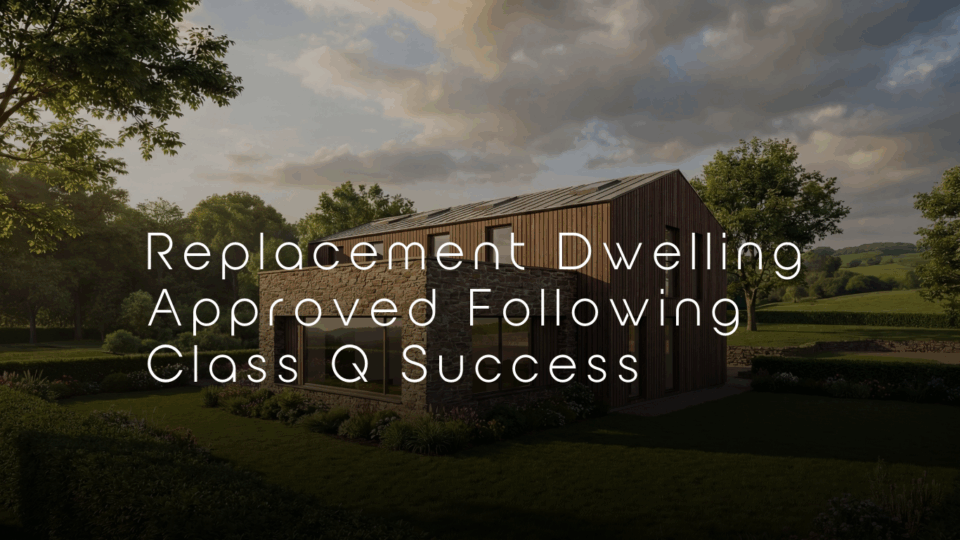
Replacement Dwelling Approved Following Class Q Success

Planning Permission Success for Access, Parking & Facilities

Laurence Associates at Business Fest South West Westpoint

Supporting the Interior Design Journey Through Architecture

Powering the Future: Repowering Wind Turbines Across the UK

Current Vacancies – Senior Landscape Architect

Planning Consent Secured for Methane-Capture Facility

Grand Designs

Design and Placemaking PPG out now

National Planning Policy Framework

Barn Conversion Approved West Cornwall

Creating Flow and Connection Within the Home

Considering a Home Extension?

Outline Approval for Three New Homes in St Keyne

Conversion in the Countryside: Securing Planning for a Rural Bothy

Town Planner Vacancy – Planning Careers UK

Current Vacancies – Town Planners

Grid Connection Reform and what it means for Renewable Energy Projects

Building Towards a Greener Future: Our Earth Day Commitment

Energy Consultancy Services at Laurence Associates

Laurence Associates Welcomes New Planning Director

Permission in Principle Success in St Austell

Ana Coelho promoted to Senior Chartered Architect

Community Sponsorship St Just RFC

Housing Appeal Success in West Cornwall

How to Finance a Self-Build

Architecture Vogue – Enys Hill

Architecture Vogue – Smallridge Bros

Planning Permission for Community Garden Redevelopment in Newquay

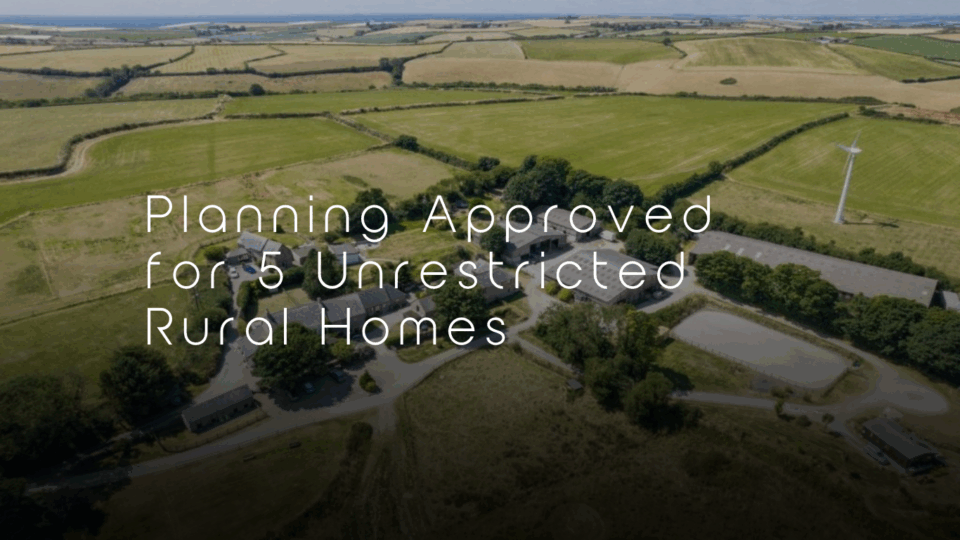
Planning Approved for 5 Unrestricted Rural Homes

Porthcothan Site Update: Residential Planning Progress

Why Do I Need a Professional Consultant’s Certificate?

Design Appraisals UK | Site Feasibility and Planning Assessments

3D Modelling an image speaks a thousand words

From sketch to reality the power of visualisation in design development

The Experts

Cape Cornwall Club Redevelopment | Laurence Associates

Appeal Success Near St Ives

Cornwall Council Housing Requirement – Laurence Associates

Where Design Meets Detail: The Role of Materials in Architecture

Feock replacement dwelling project overview

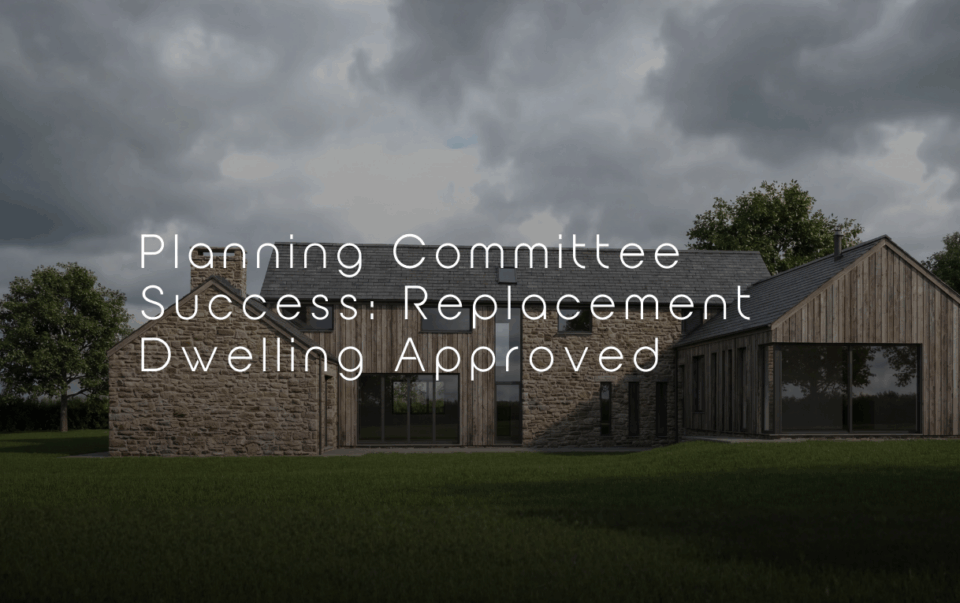
Planning Committee Success: Replacement Dwelling Approved

Planning Permission Secured in Rock Cornwall

Breaking Ground: New Project Progress

Housing Schemes in Cornwall That Truly Work for People

Laurence Associates Attending Ashfords Business Breakfast

Elmhurst Energy CPD

A Tailored Approach to Conceptual Design

Securing Planning Permission – Greenbank Hotel Falmouth

Planning Permission Success for Barn Conversion

Building Regulations Drawings: Why Detail Matters

Bespoke Architectural Design Process

River Camel Nutrient Neutrality Update 2026: Bodmin Removed

Building for Growth

Small Housing Schemes

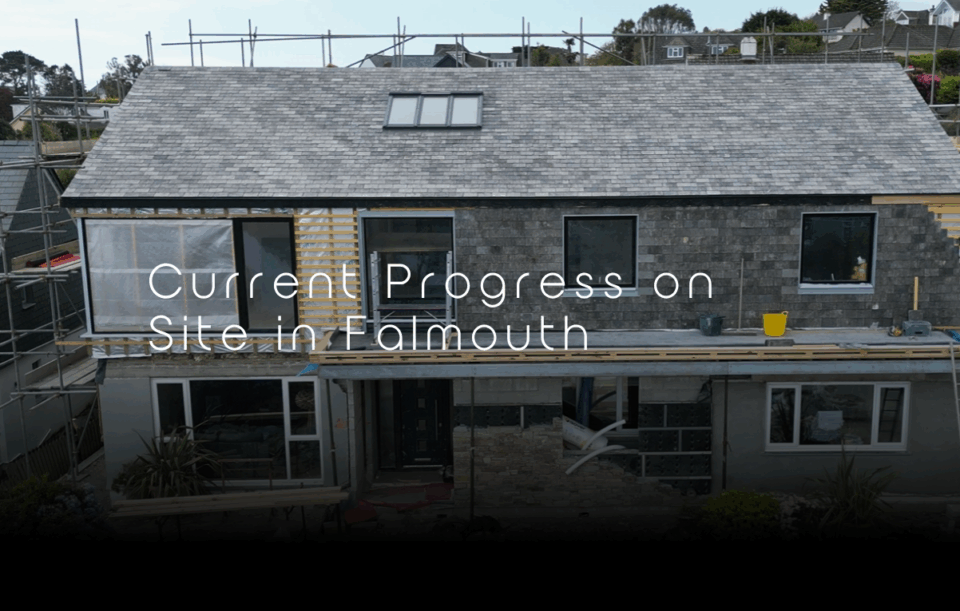
Current Progress on Site in Falmouth

Laurence Associates – Royal Cornwall Show 2024

Replacement Dwellings – Pushing the boundaries of Architecture

Class Q Planning Permission

Class Q Conversions: Unlocking the Potential of Agricultural Buildings

Permission in Principle Secured for 4 to 9 Dwellings in North Hill

Laurence Associates Sponsors Rosudgeon and Kenneggy Cricket Club

Planning Appeals Changes from April 2026

Should I use an Architect?

Natural Light

Best of Houzz 2017 Design Award

Cornwall Local Plan Update 2028 and What It Means for Development

Outline Planning Consent Secured for Two New Dwellings

Laurence Associates Welcomes New Design Director

International Women’s Day at Laurence Associates

Rural Enterprise – Helping Rural Business Flourish

A Collaborative Approach to Creating Meaningful Spaces

What is the Community Infrastructure Levy?

Current Vacancies – Planner / Senior Planner

Attending Women in Business Breakfast at Truro Golf Club

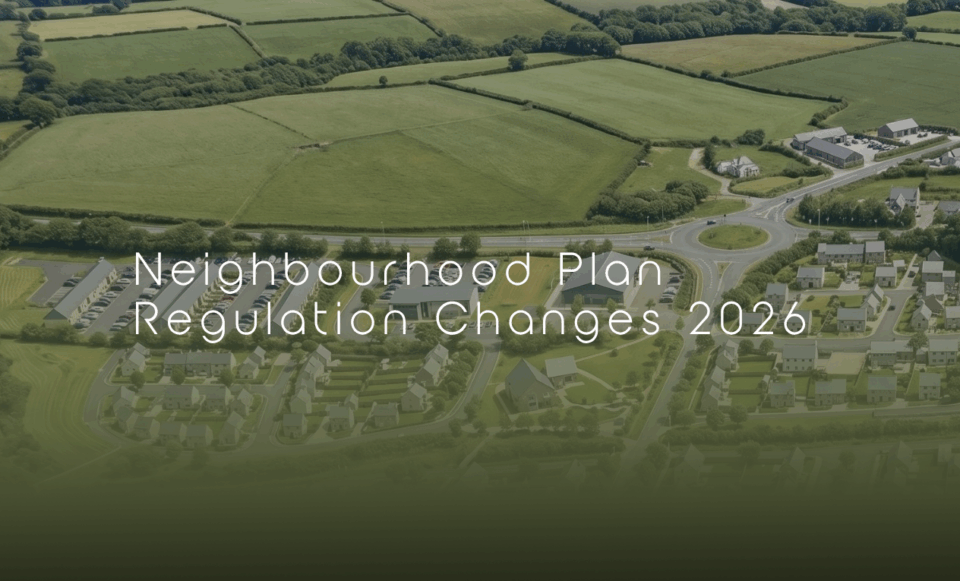
Neighbourhood Plan Regulation Changes 2026

Grade II Listed Farmstead Planning Success

Vickery Holman Market Review

Business Cornwall – March 2026

Campsite Certificate and Replacement Dwelling Approval Cornwall

Architecture Vogue – Higher Harlyn

Appeal Success: Caravan Site Approved in Cornwall

Cornwall Building Regulations Update Event 2026

Construction (Design & Management) Regulations 2015 – March

Successful Appeal Secured on Caravan Use and Building Definition

Section 73 Approval for Revised Bungalow Scheme in St Erth

Laurence Associates at Kernow Construction Club

Construction Excellence Southwest Summit 2026

Replacement Dwelling in lieu of Class Q

Change of Use Approved: Takeaway to Residential in Cornwall

Architecture Vogue – Eyebrid

Tom Evans Promoted to Junior Planner

A Guide to Our Planning Application Process

Laurence Associates attending Kernow Construction Club

Planning Approval Secured for Multi-Generational Home in Feock

Architecture Vogue – Sand Dunes

Planning Approval for Sauna in Protected Landscape

CESW Summit 2026

Designing for Legacy, Lifestyle and Longevity

Property Development Forum

Architecture Vogue – Maen Valley