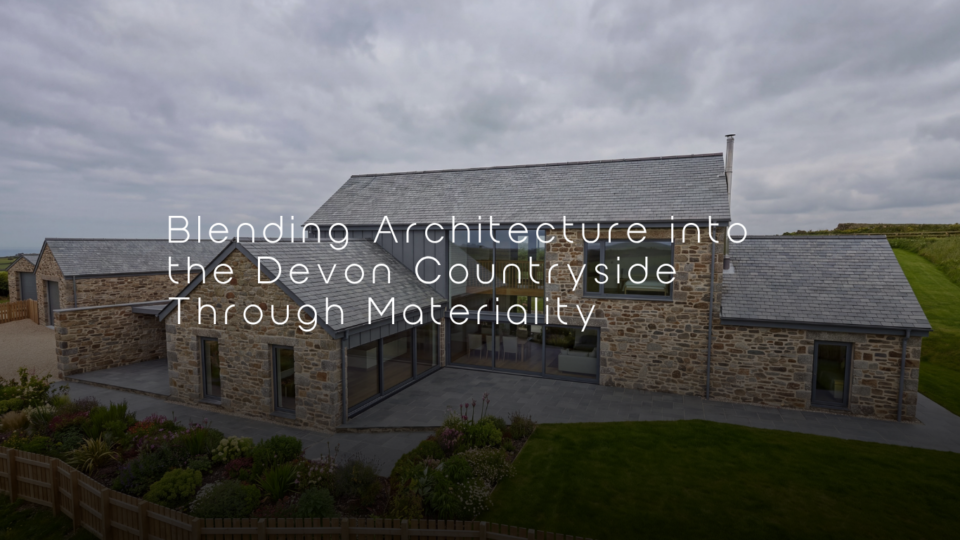
Blending Architecture into the Devon Countryside: When Materials Tell the Story
What makes a building feel as though it belongs?
Is it the shape?
The scale?
The way it sits within the landscape?
Or could it be something as simple as the materials used to create it?
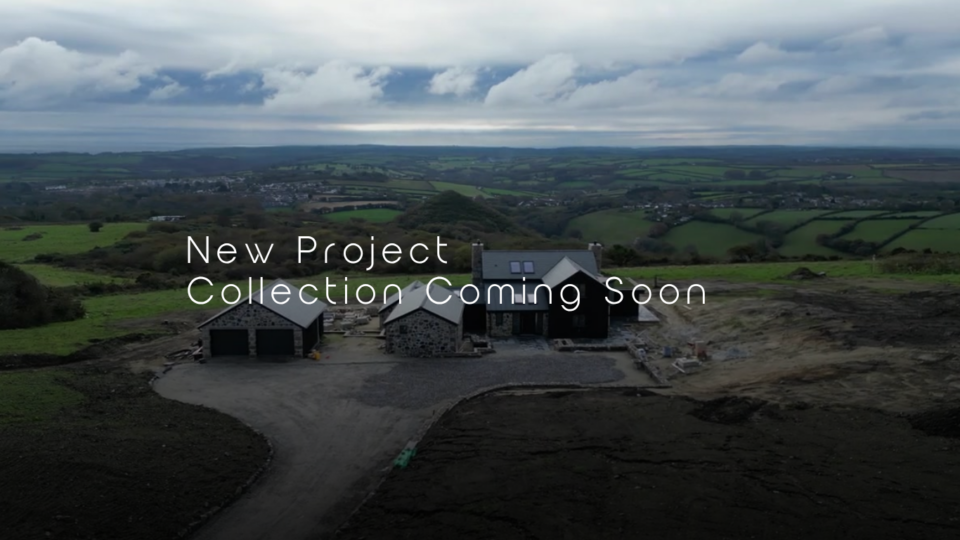
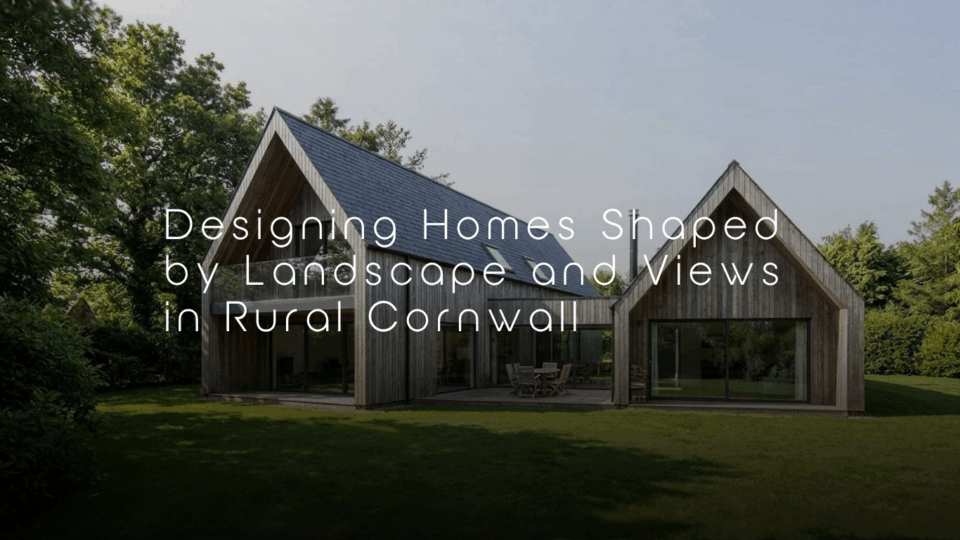
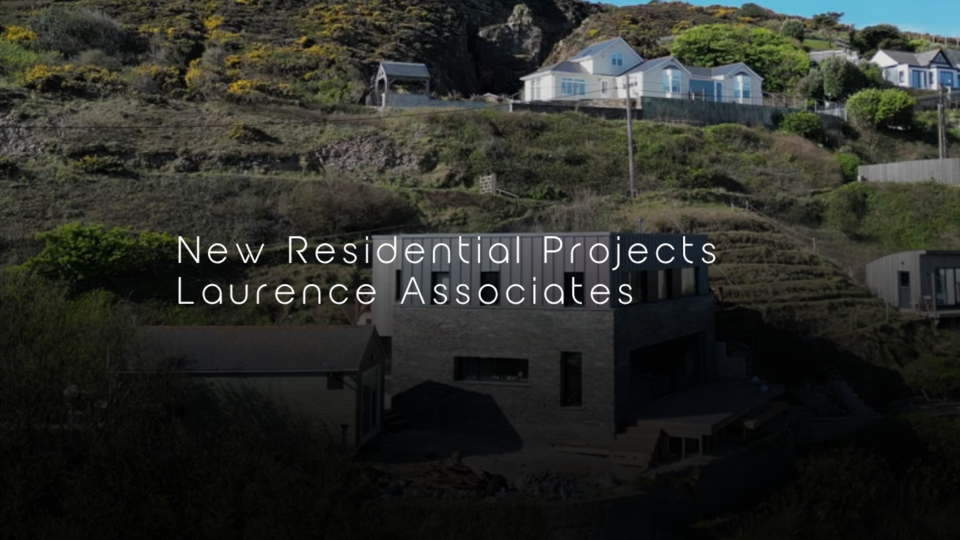
When designing contemporary homes in the Devon countryside, materiality can play a significant role in creating a connection between architecture and its surroundings.
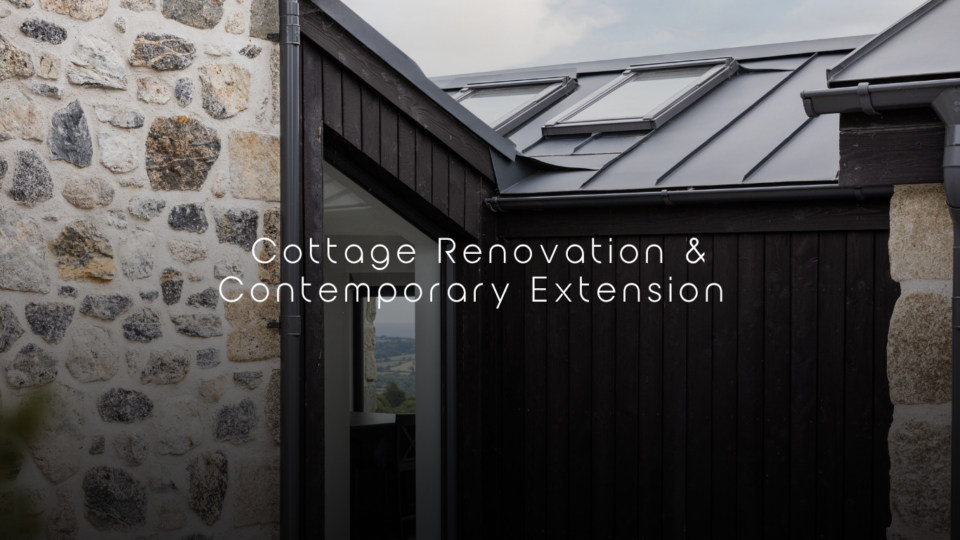
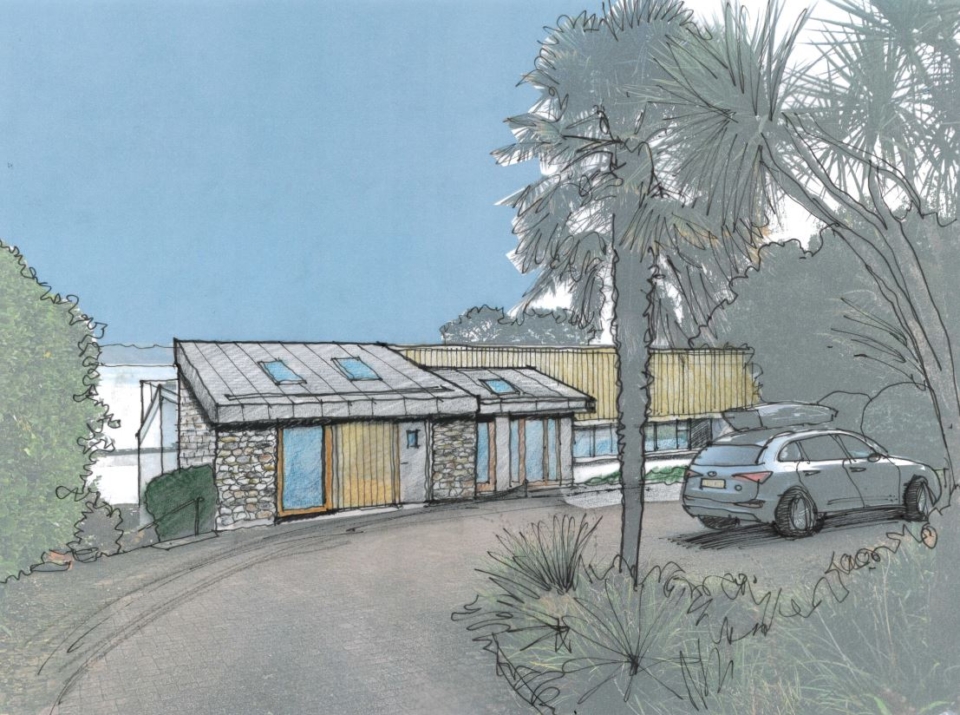
Stone, slate, timber and glazing can each bring something different to a building. Used thoughtfully, they can help a contemporary home feel rooted in its setting without simply replicating the buildings that came before it.
What if the materials told the story of the place?
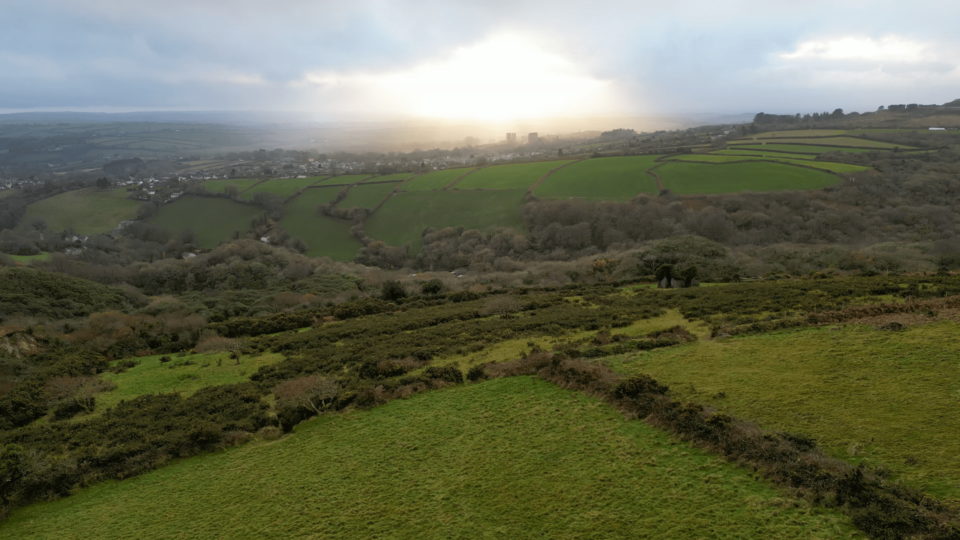
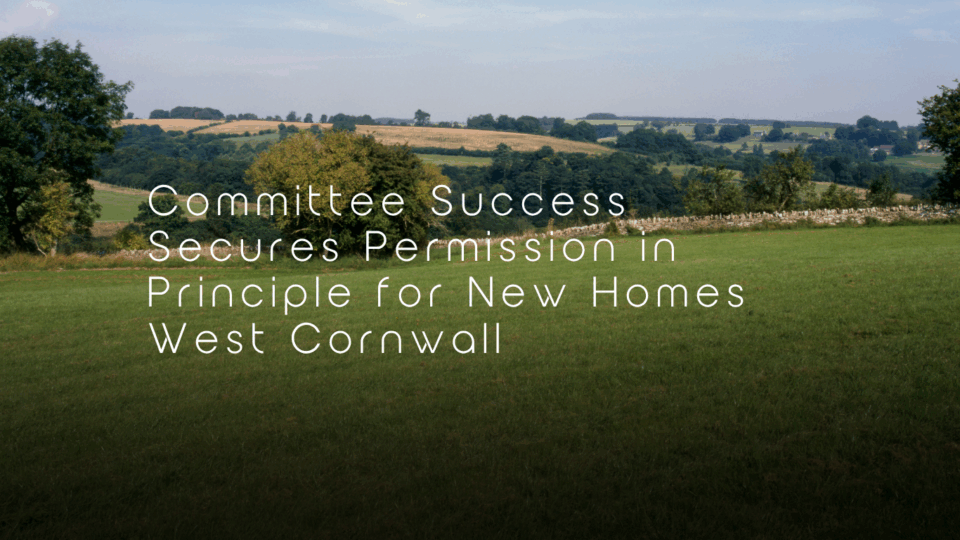
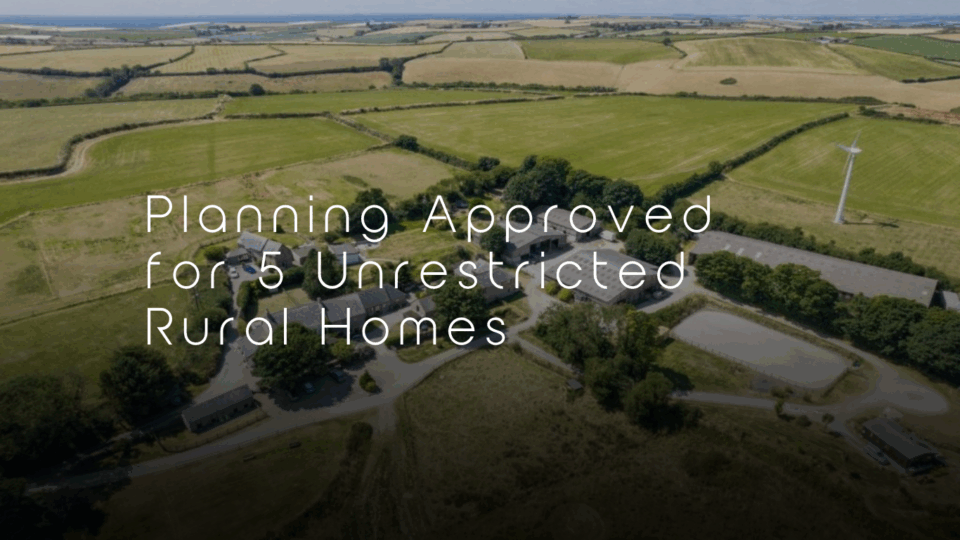
The Devon countryside has a distinctive architectural character.
Traditional farmsteads, cottages, barns and rural buildings have evolved alongside the landscape, often using materials that were readily available locally and suited to the environment.
For a contemporary project, this provides an opportunity to look closely at what is already there.
Rather than copying traditional buildings, we can take inspiration from their materiality, proportions, textures and relationship with the landscape.
The result can be something contemporary that still feels connected to its surroundings.
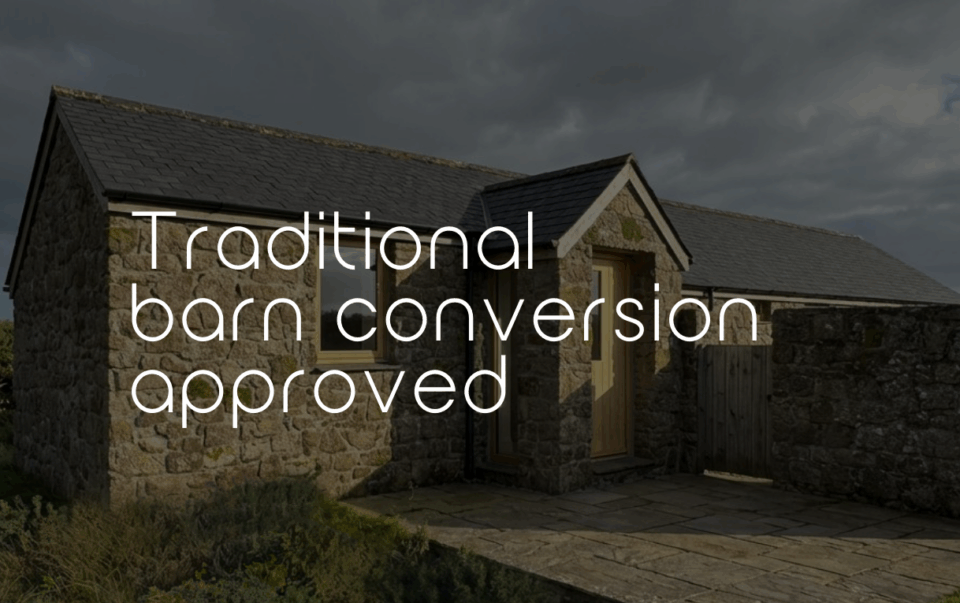
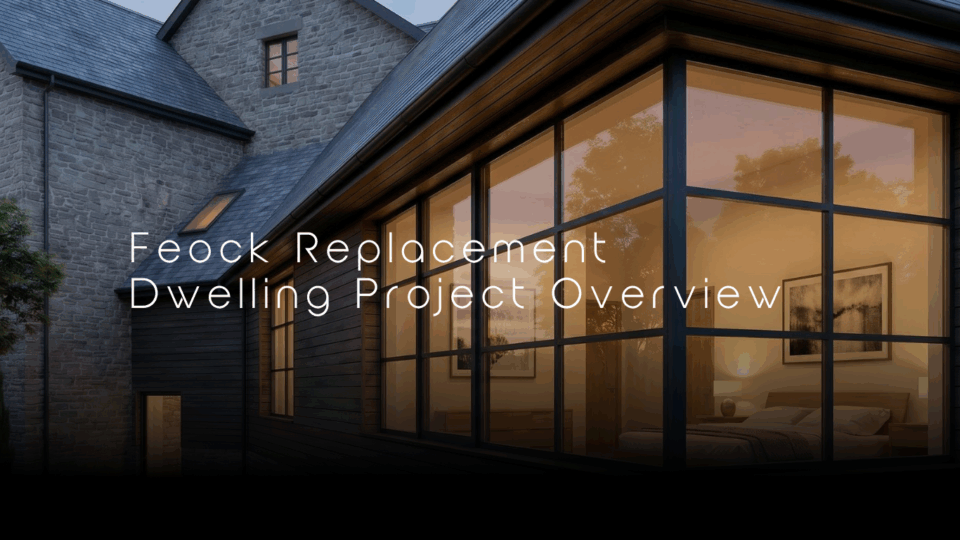
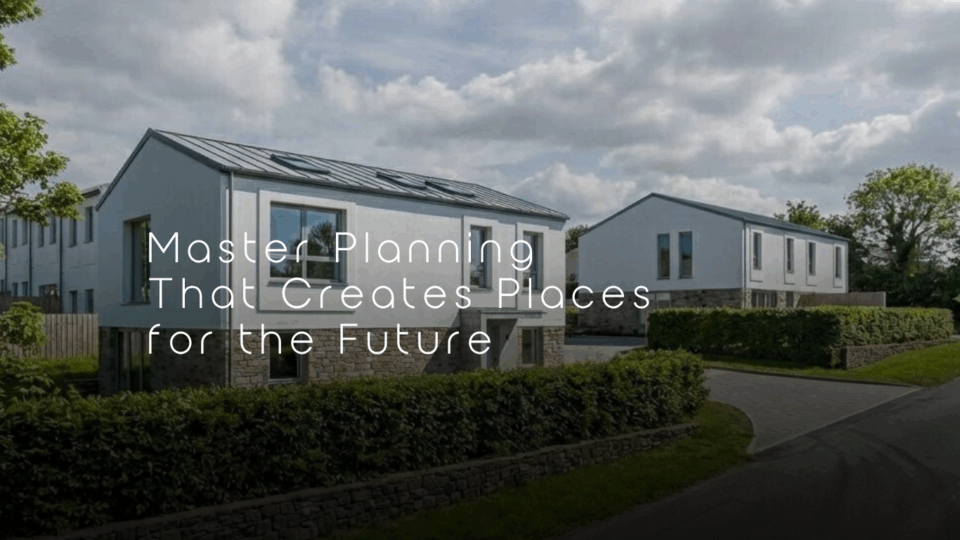
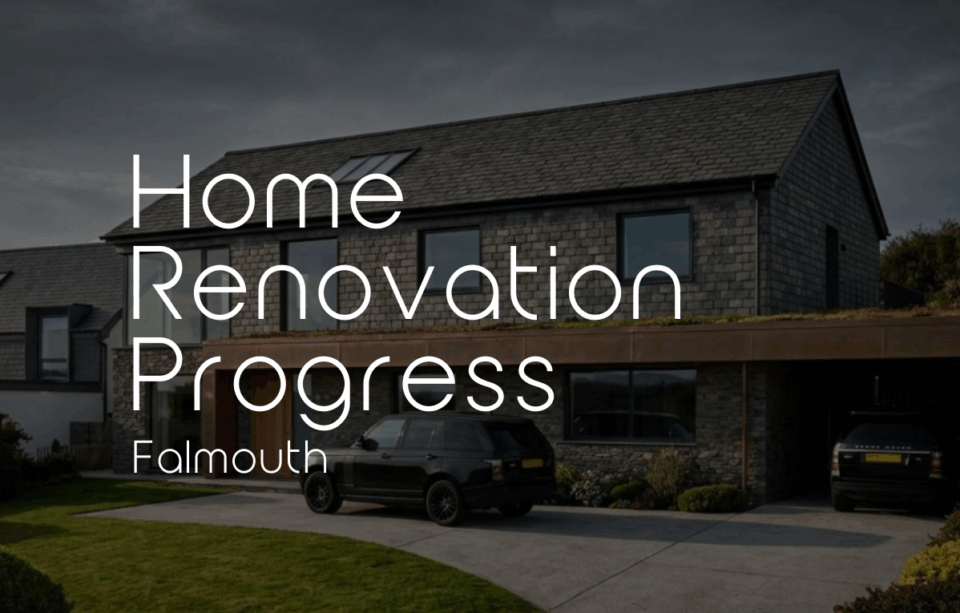
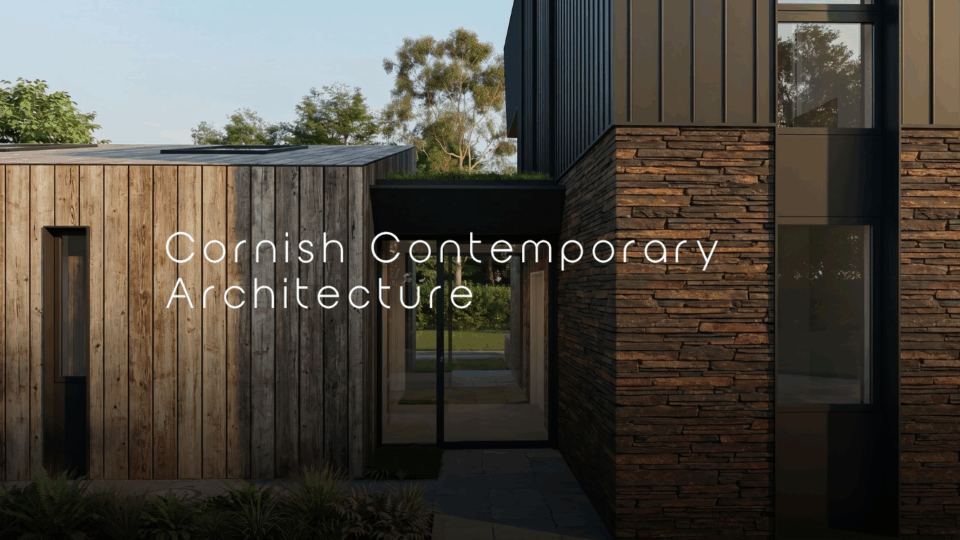
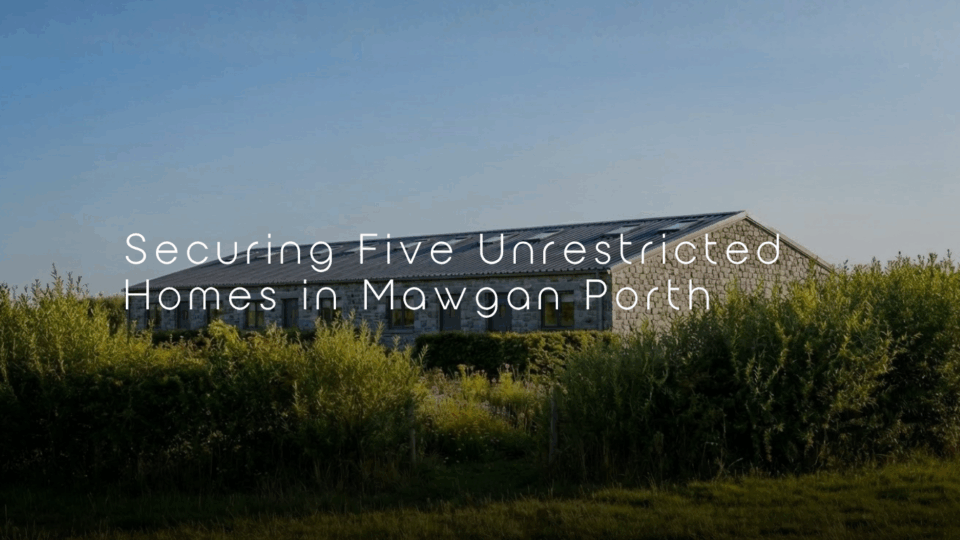
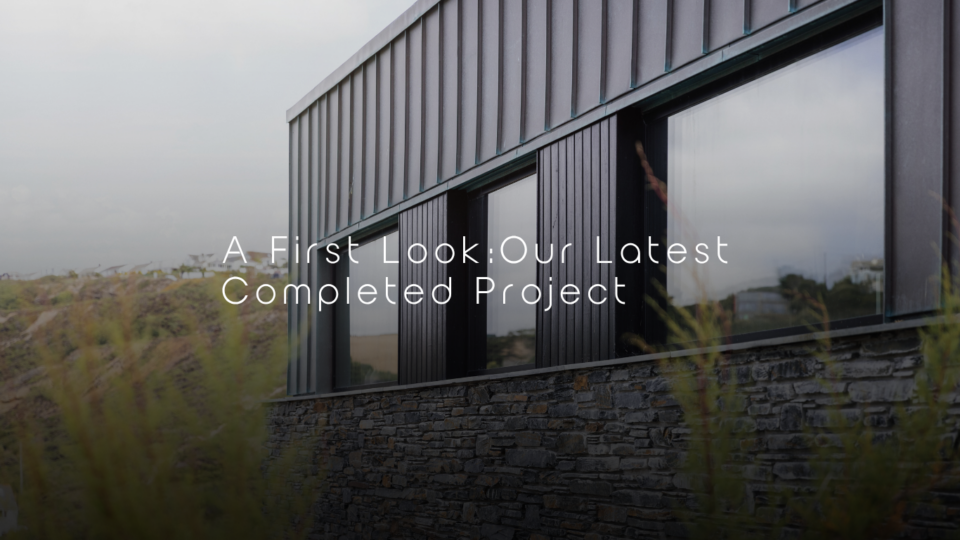
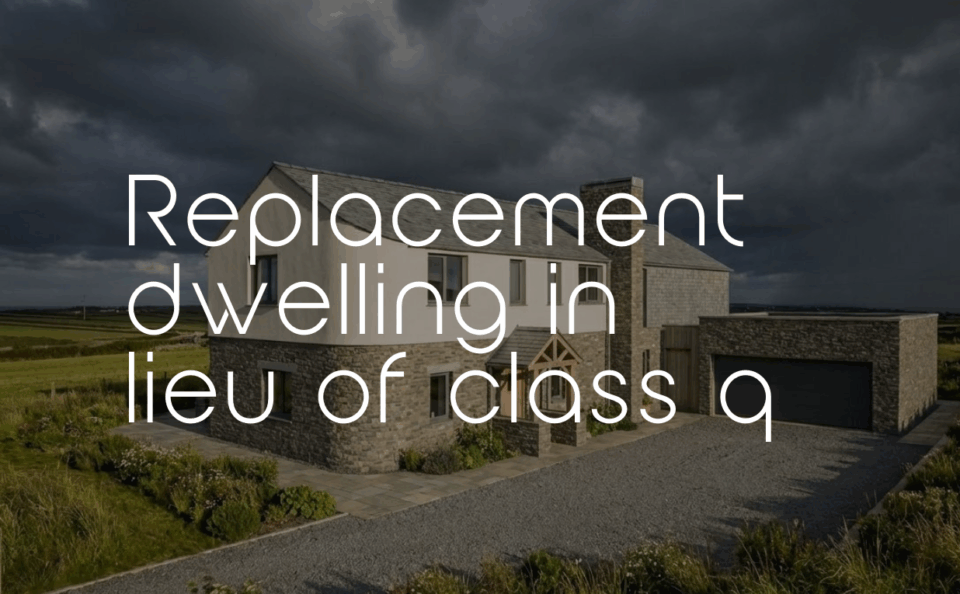
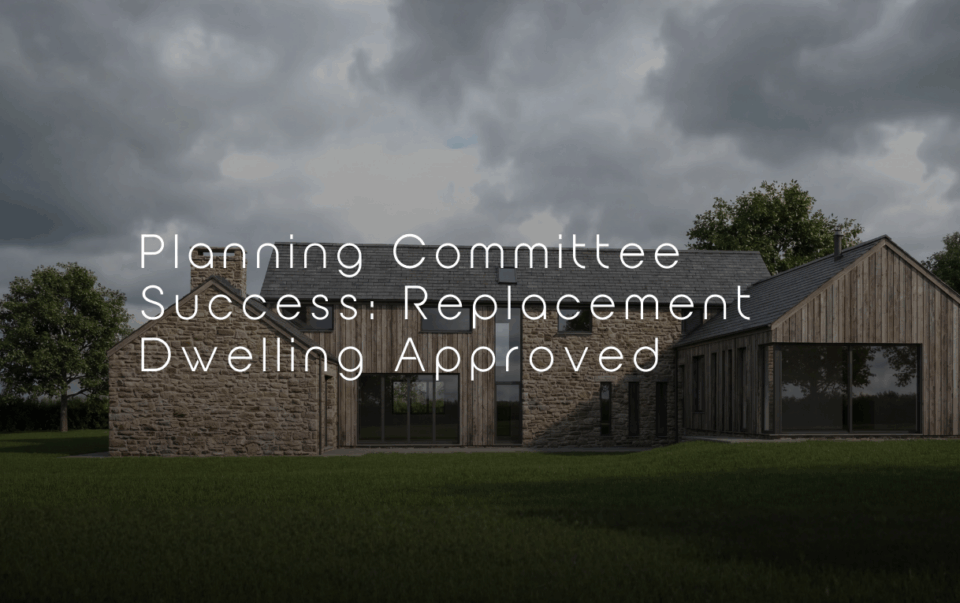
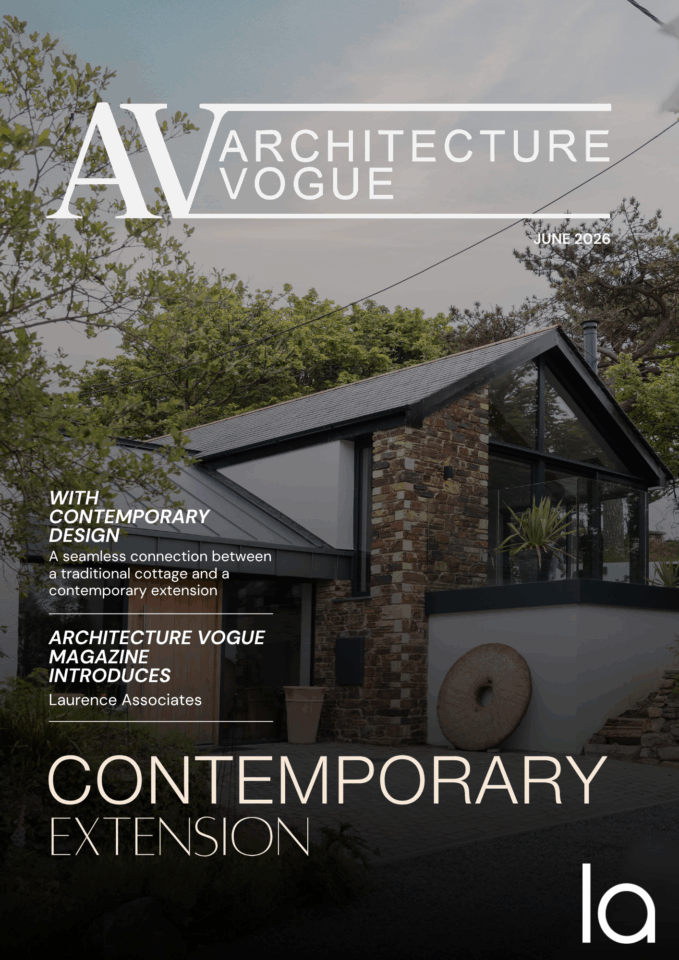
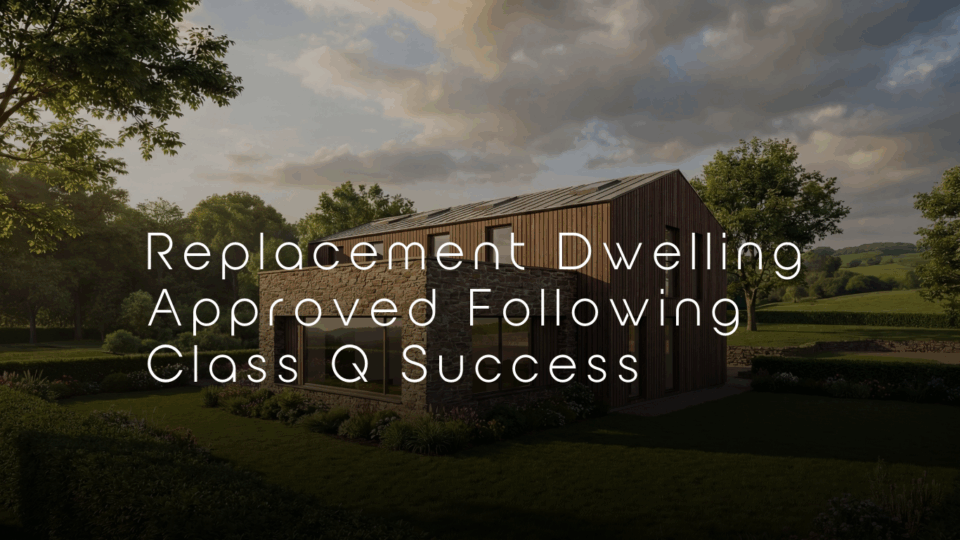
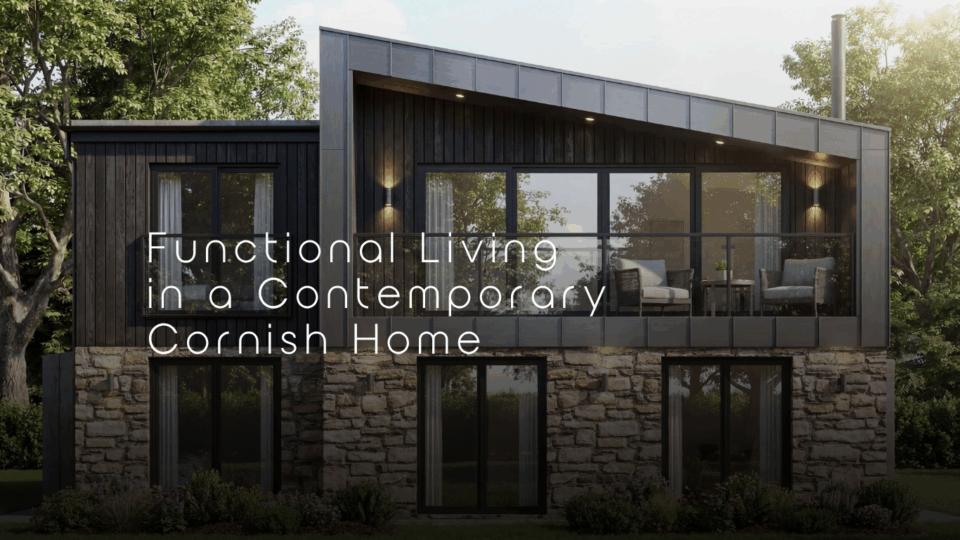
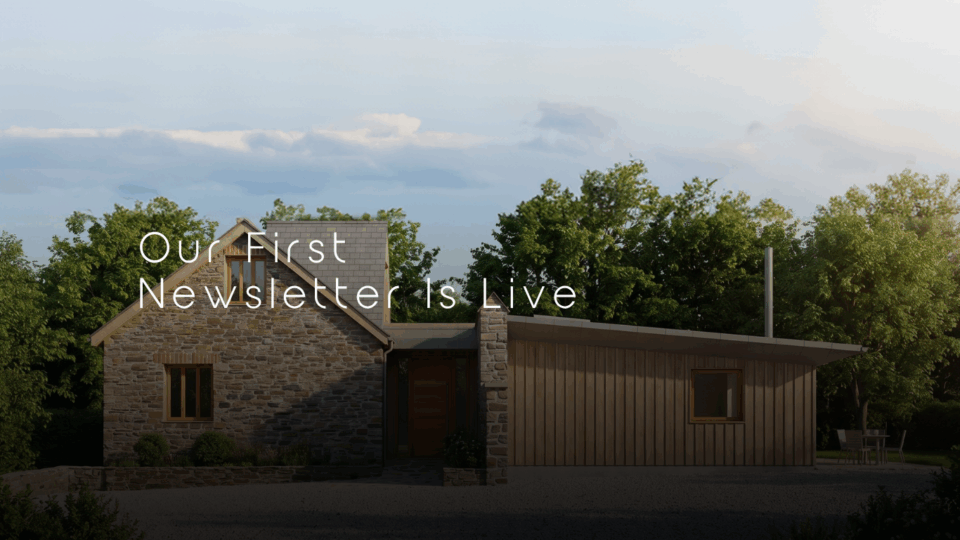
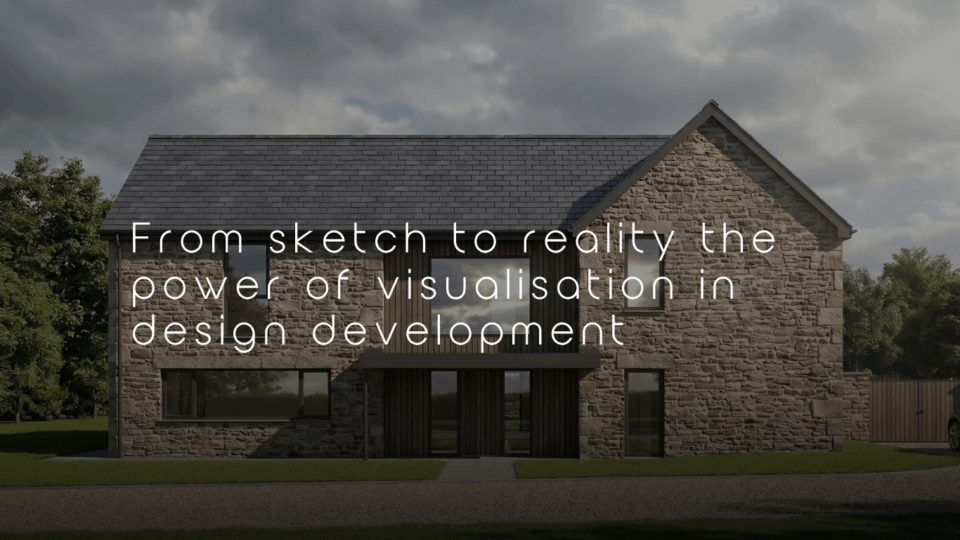
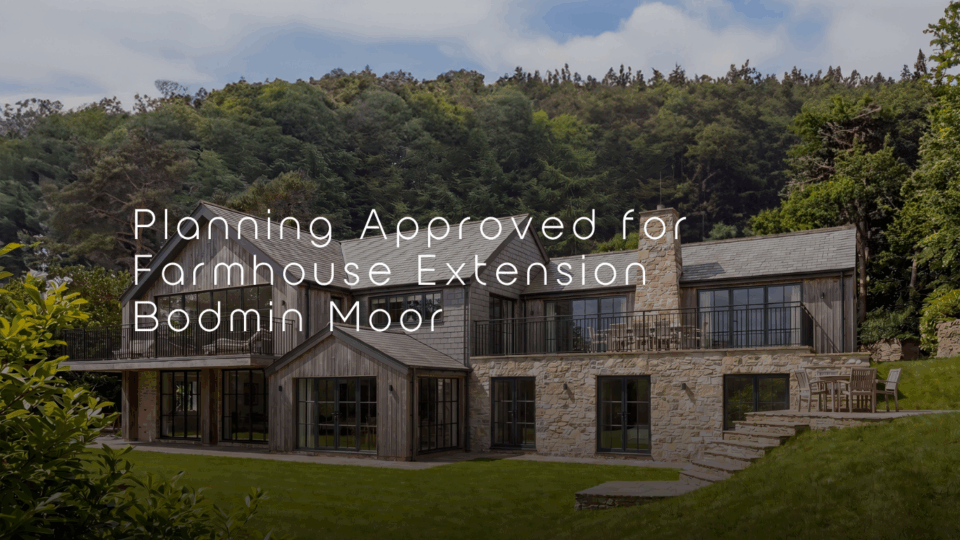
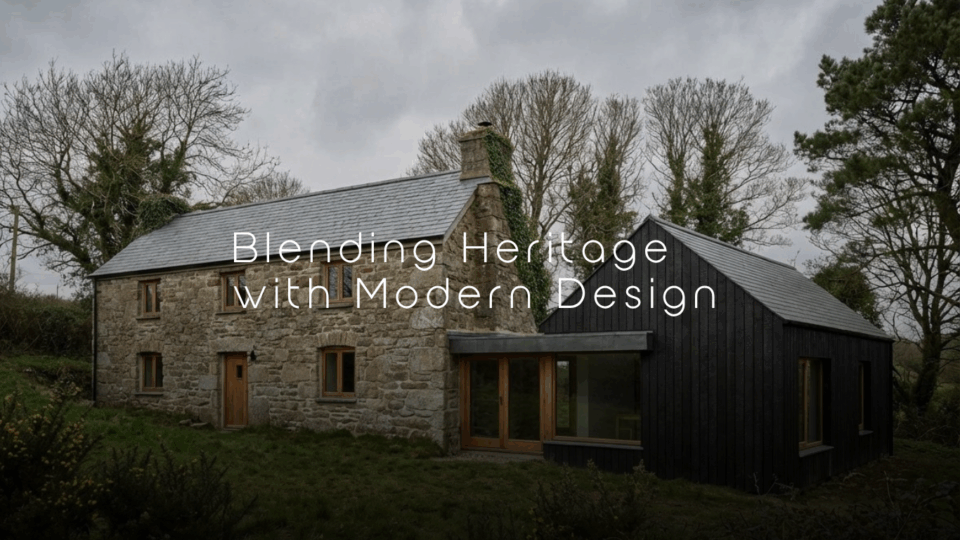
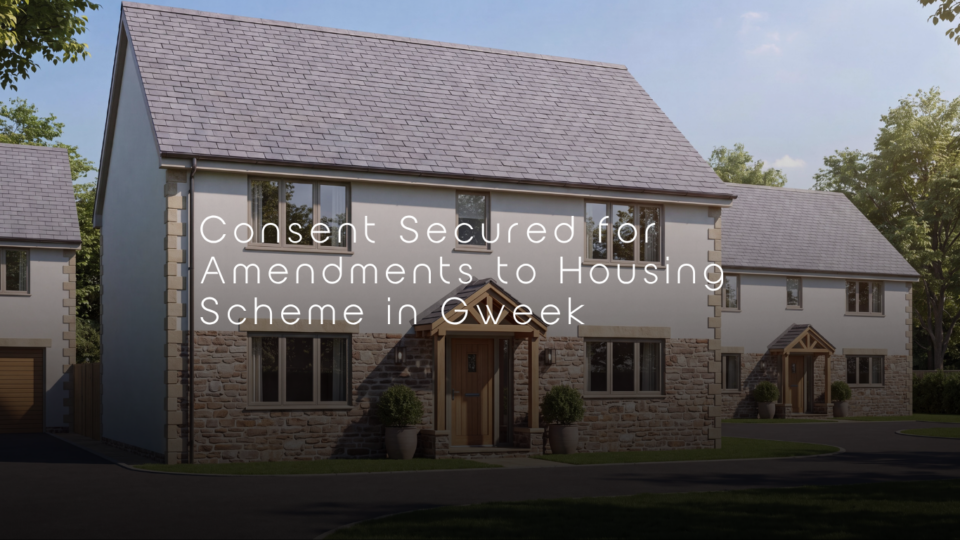
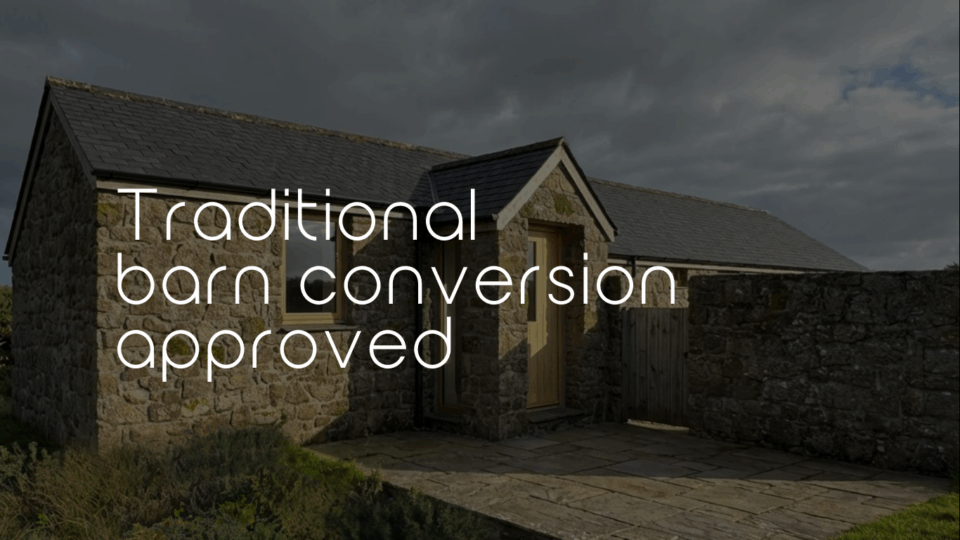
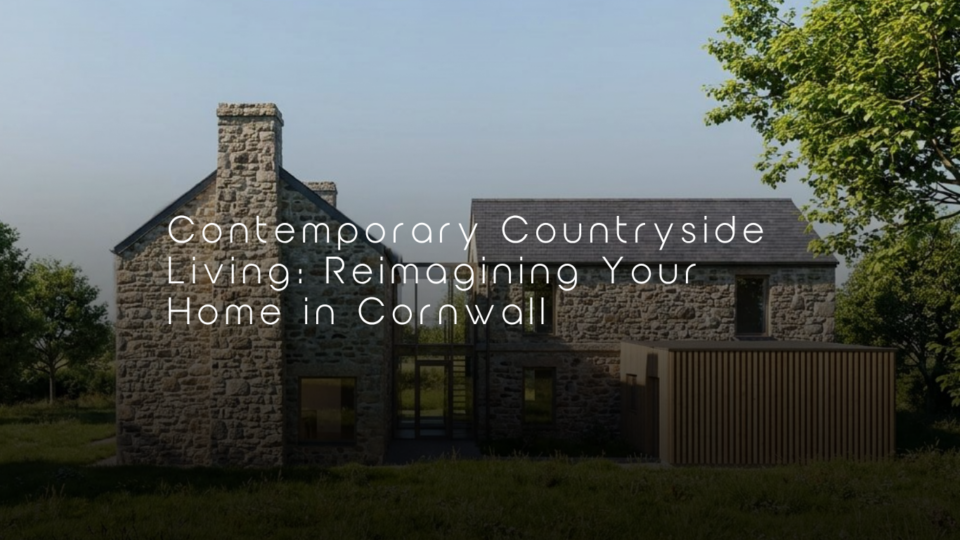
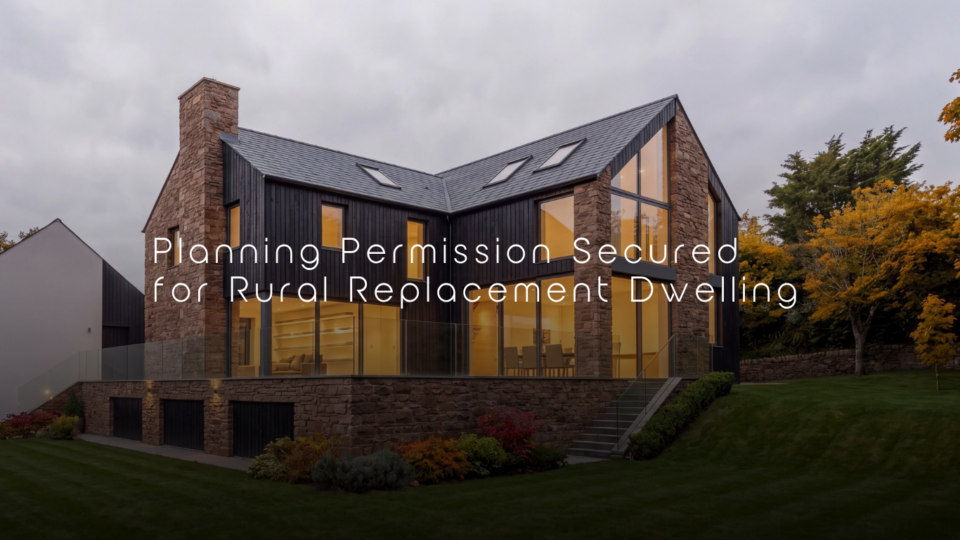
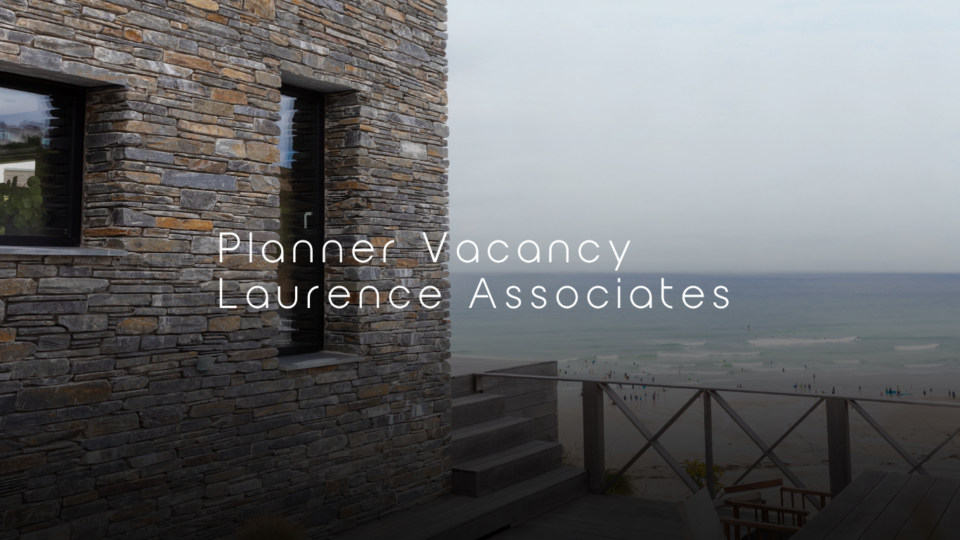
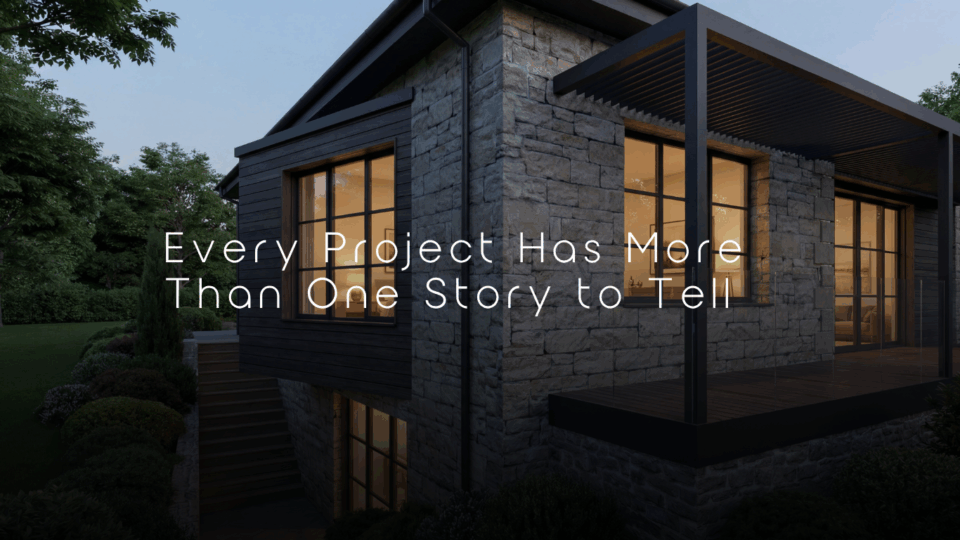
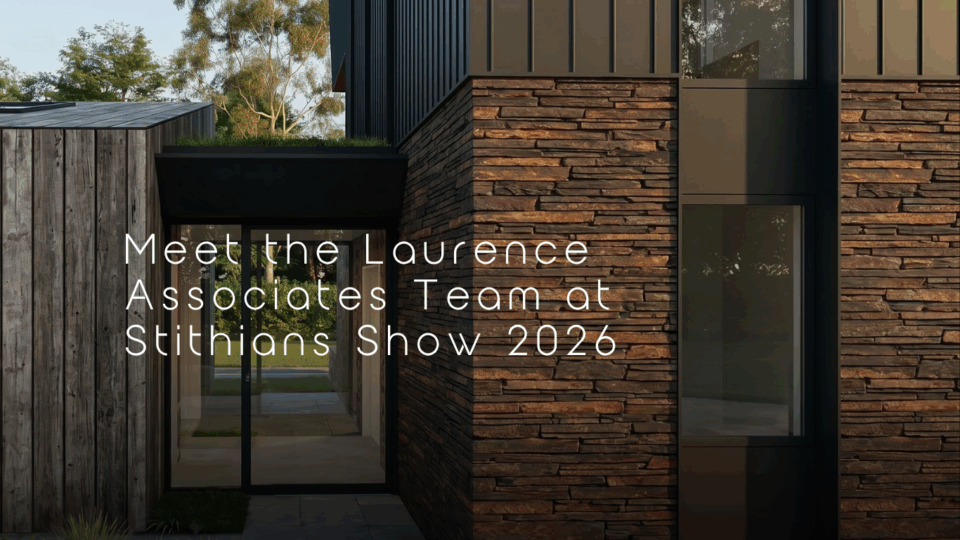
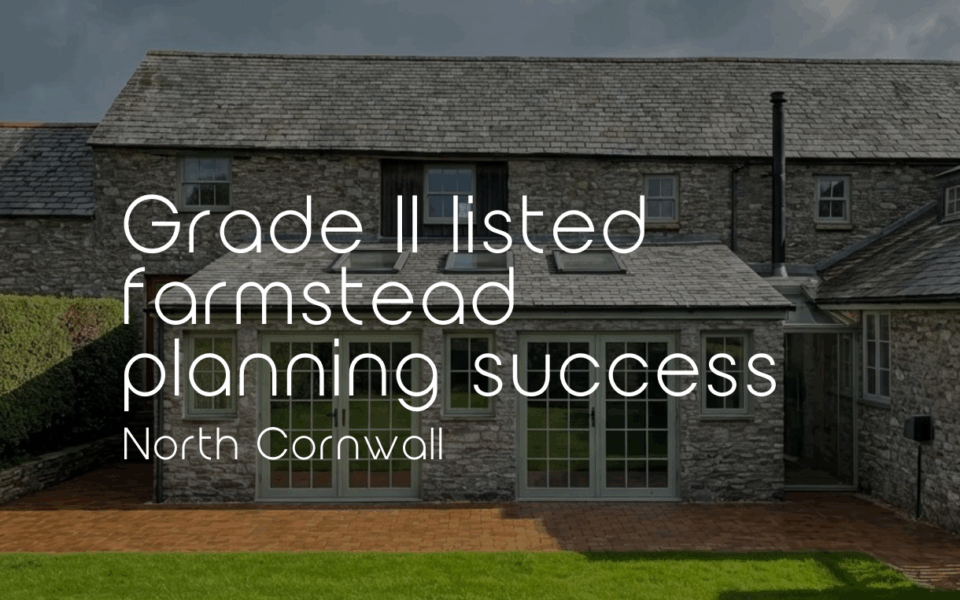
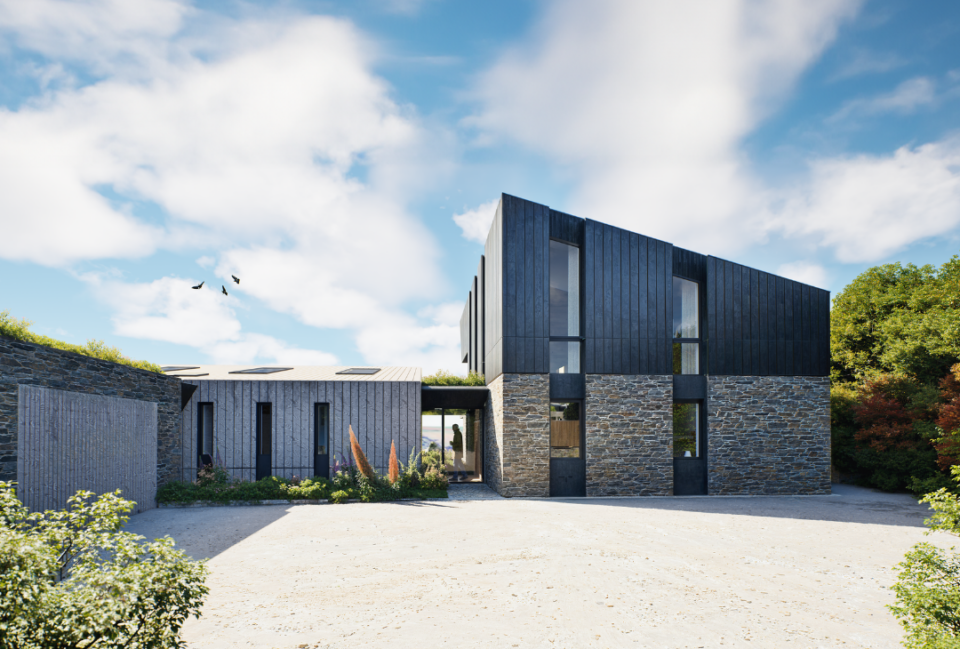
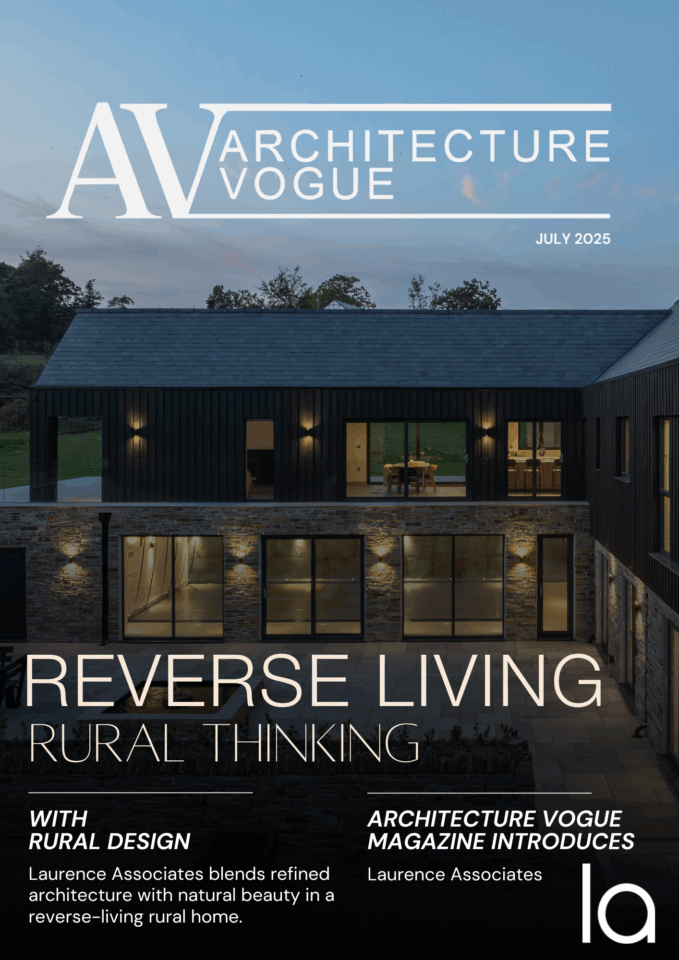
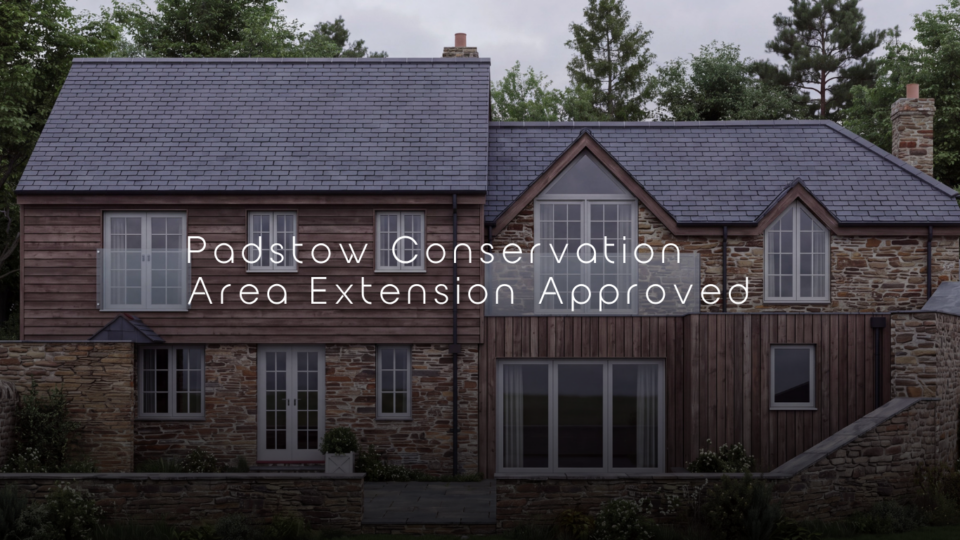
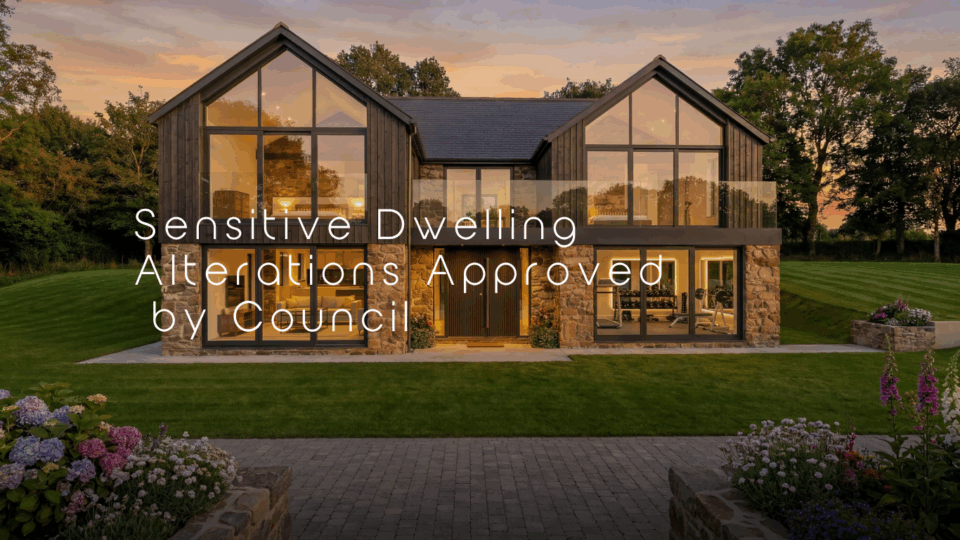
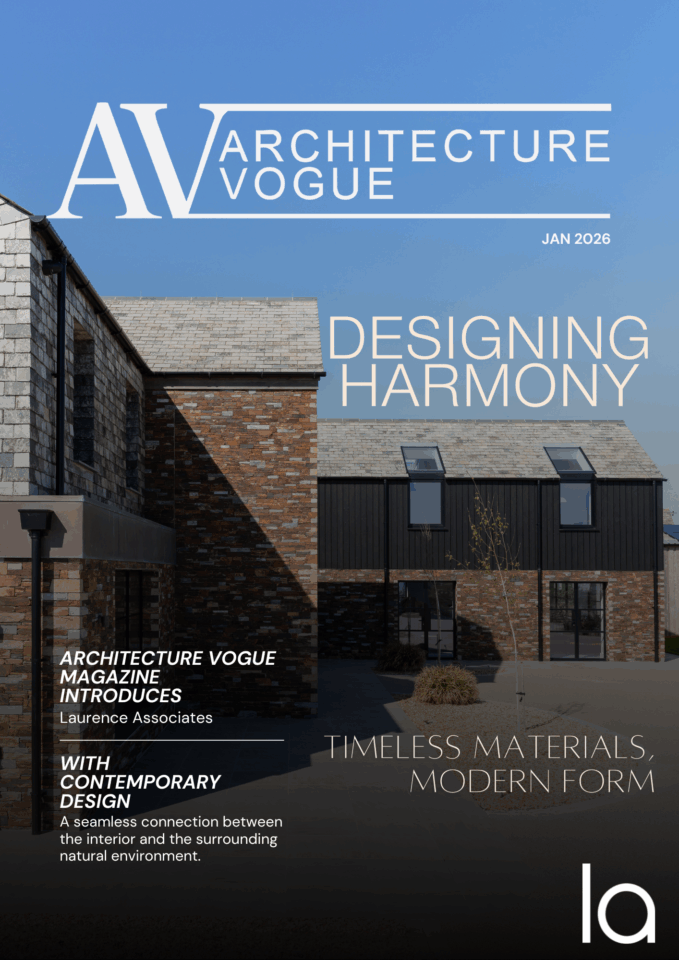
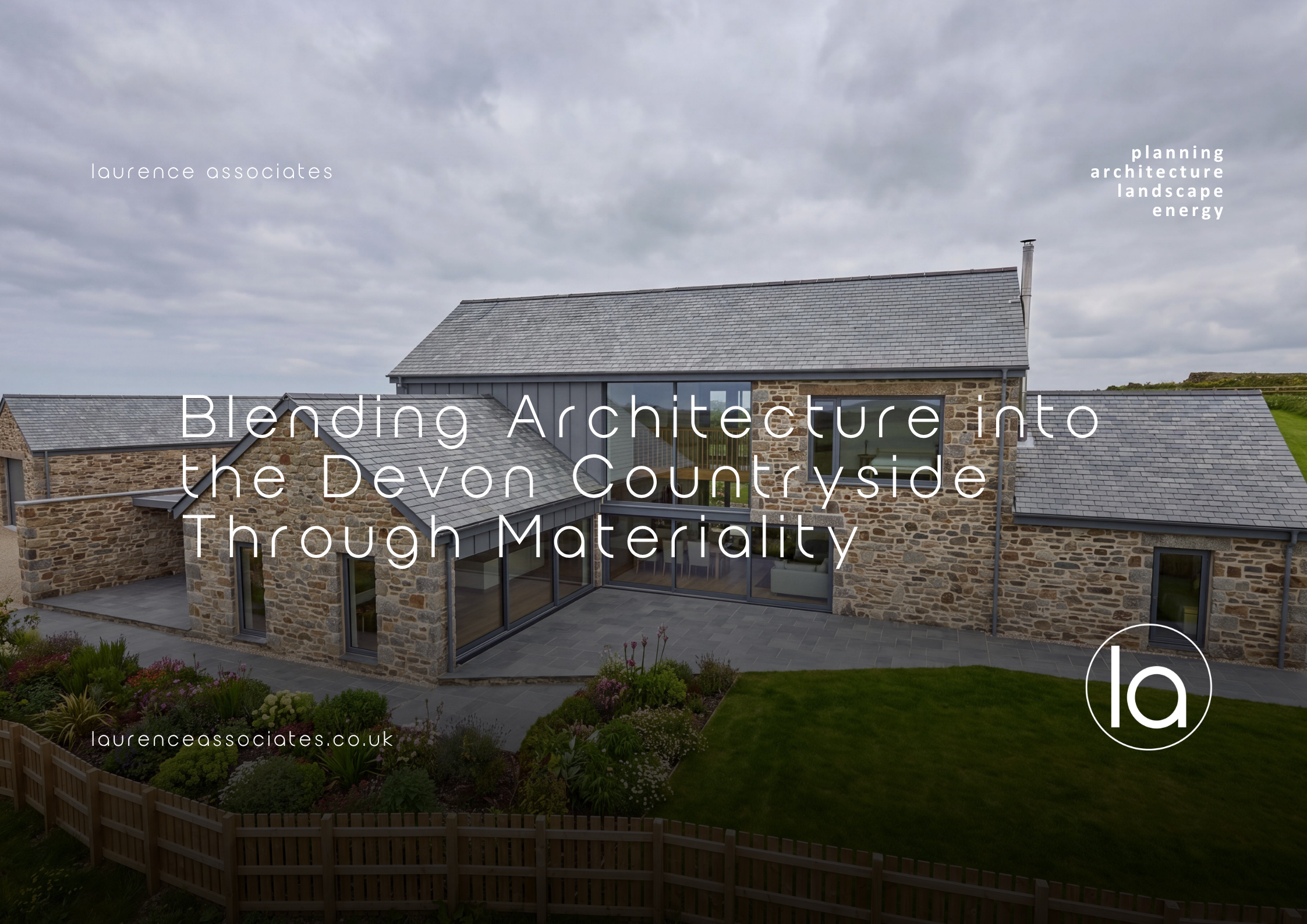
Stone that anchors the building
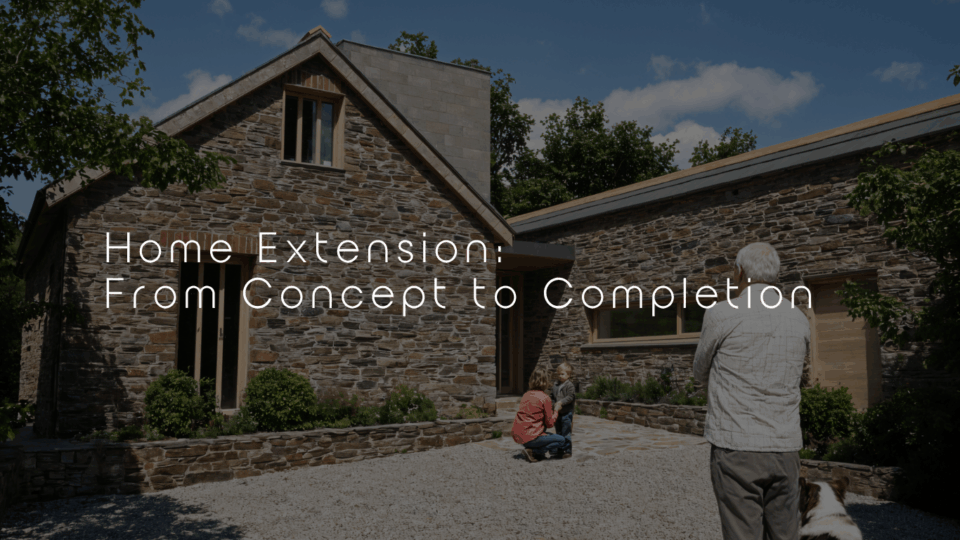
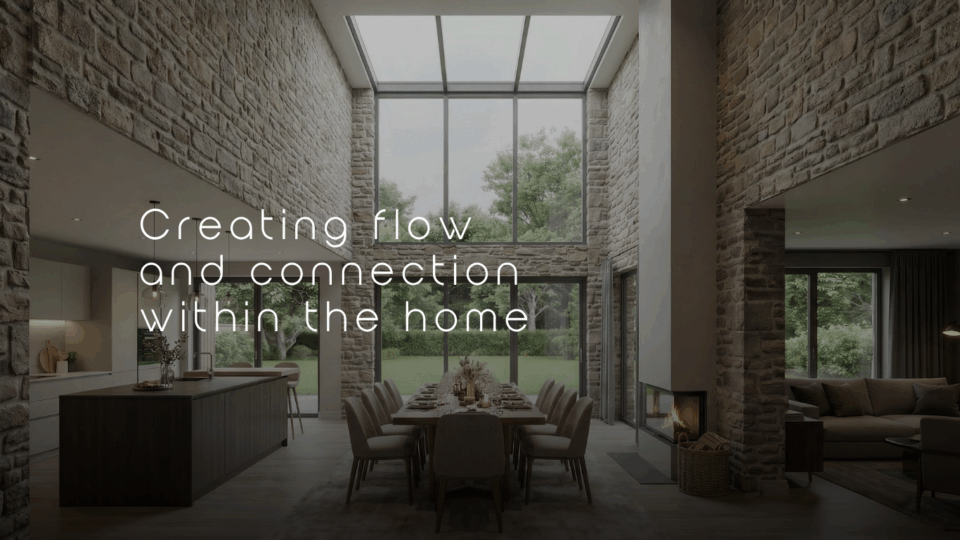
Natural stone can provide an immediate sense of permanence.
Its texture, colour and variation can help a new building feel grounded within a rural setting, particularly when it reflects the tones and character of the surrounding landscape.
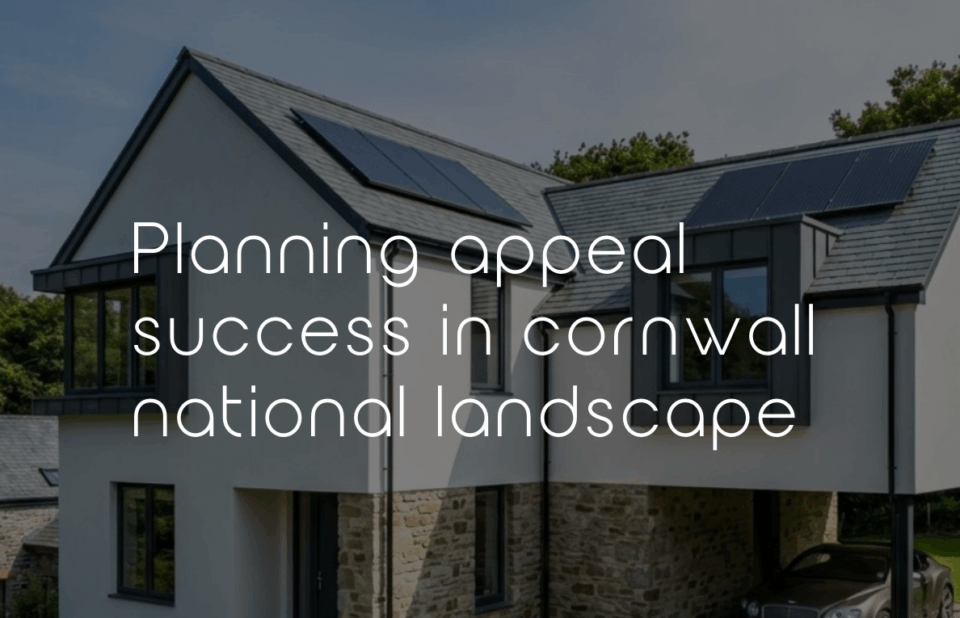
In contemporary architecture, stone does not have to mean traditional construction.
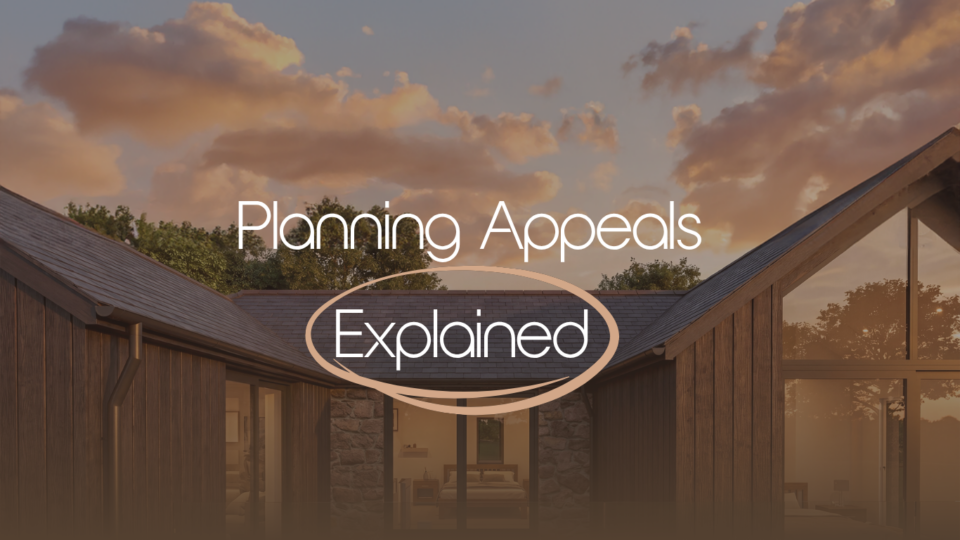
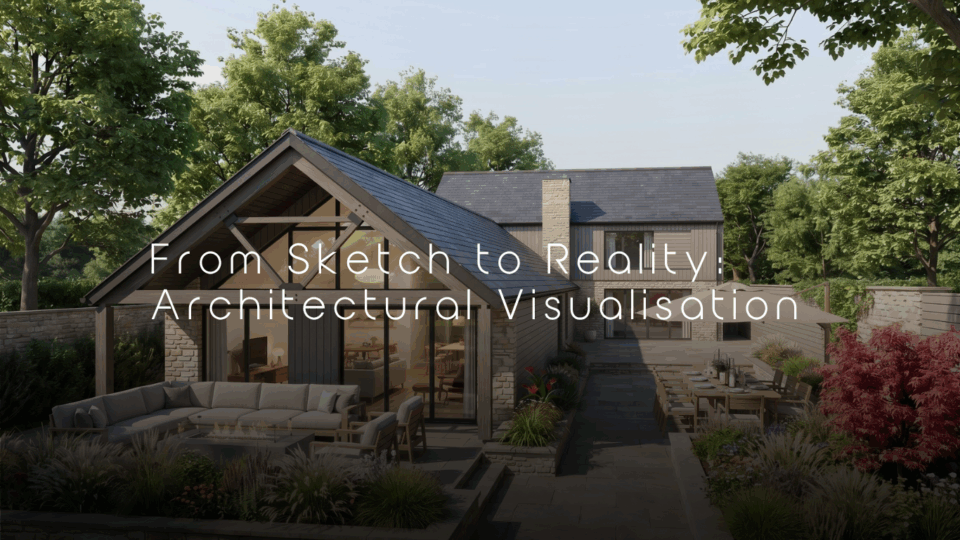
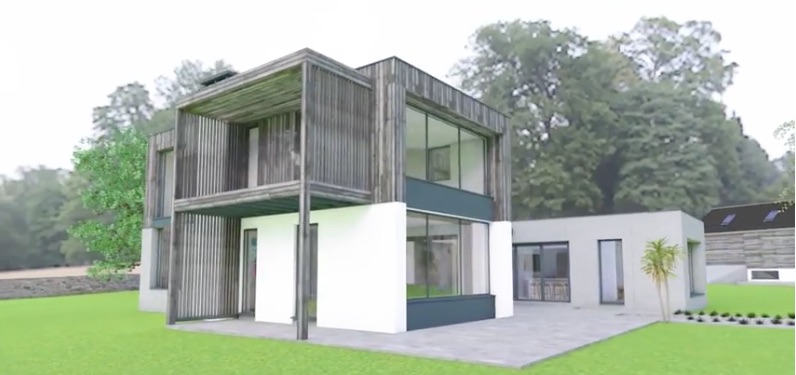
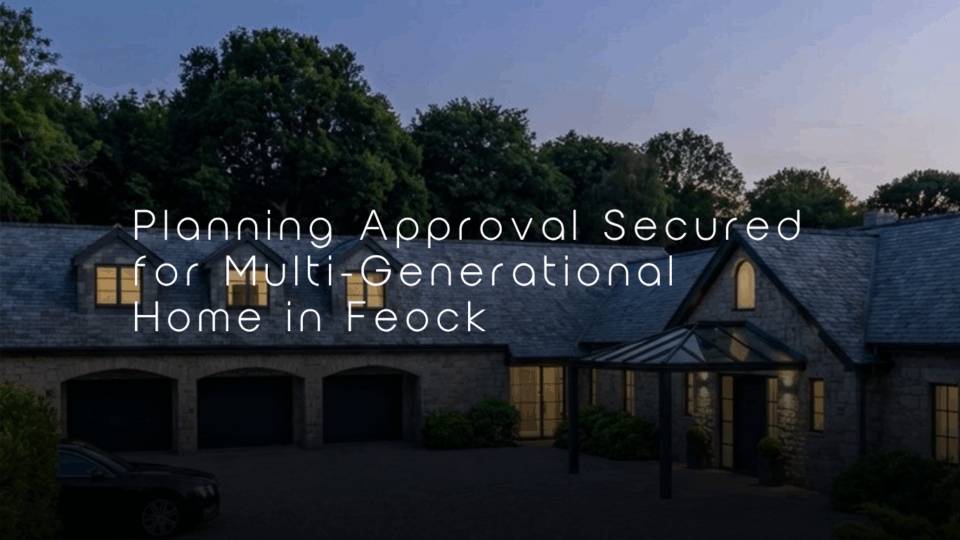
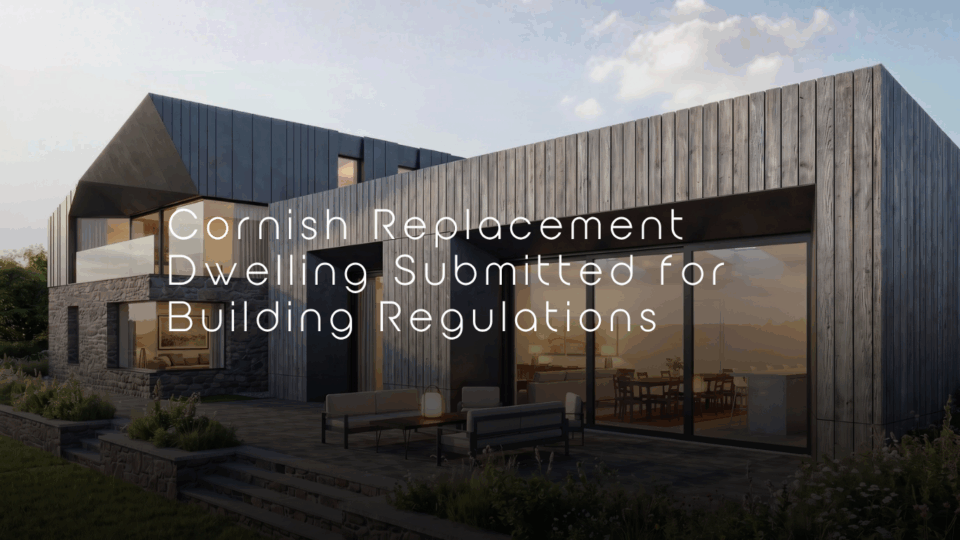
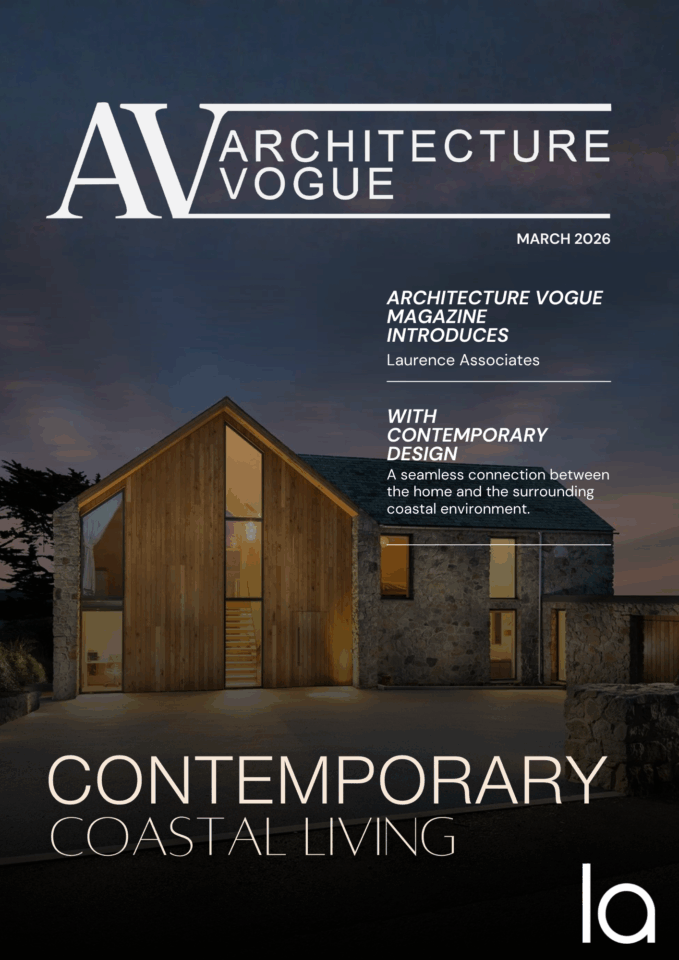
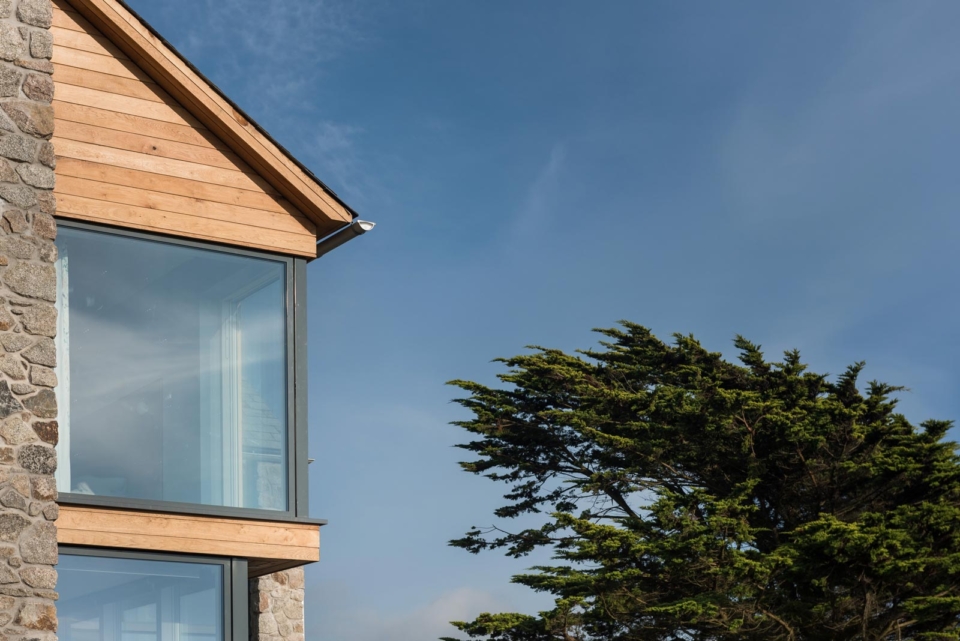
It can be paired with large areas of glazing, clean lines and modern detailing to create a balance between old and new.
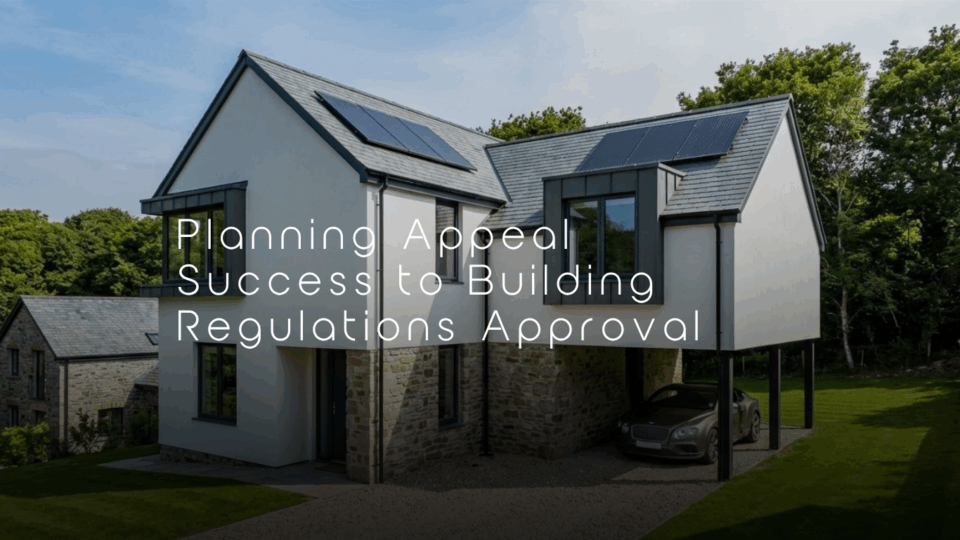
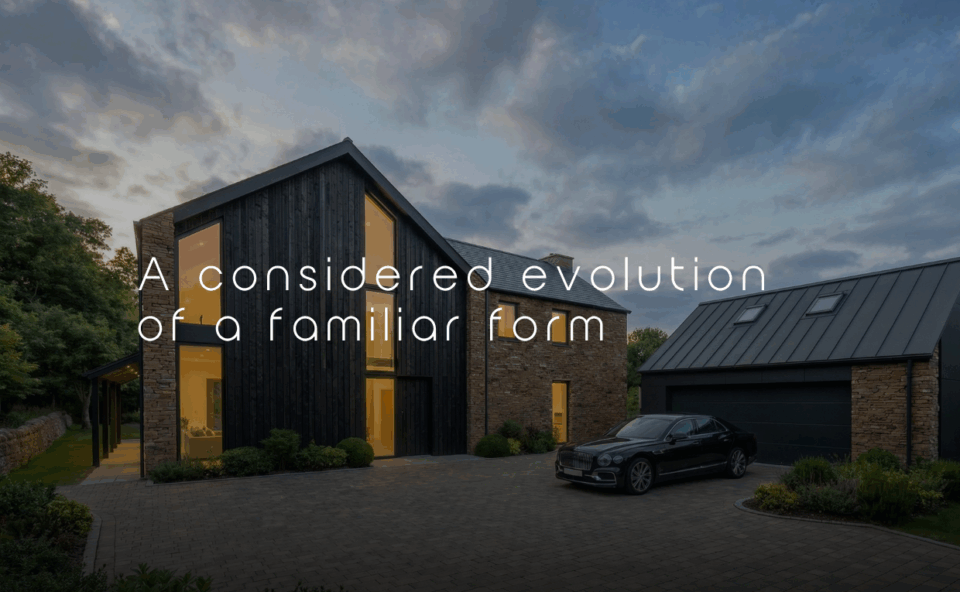
Slate that connects architecture with place
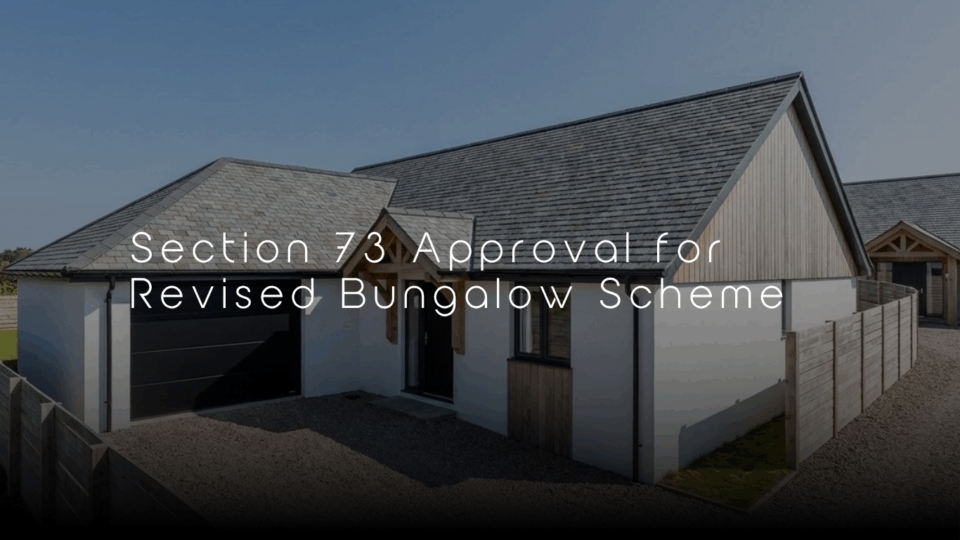
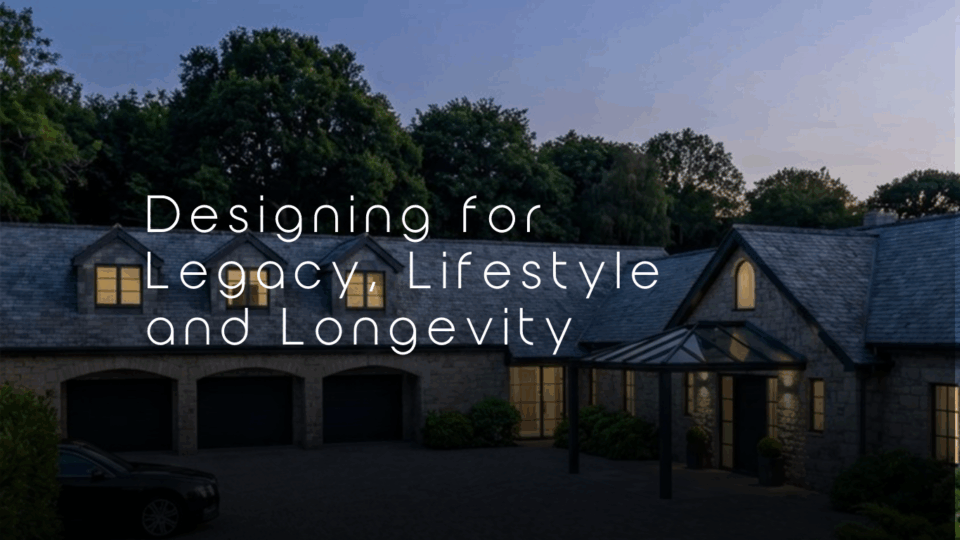
Slate is another material that can help establish a strong connection with the Devon landscape.
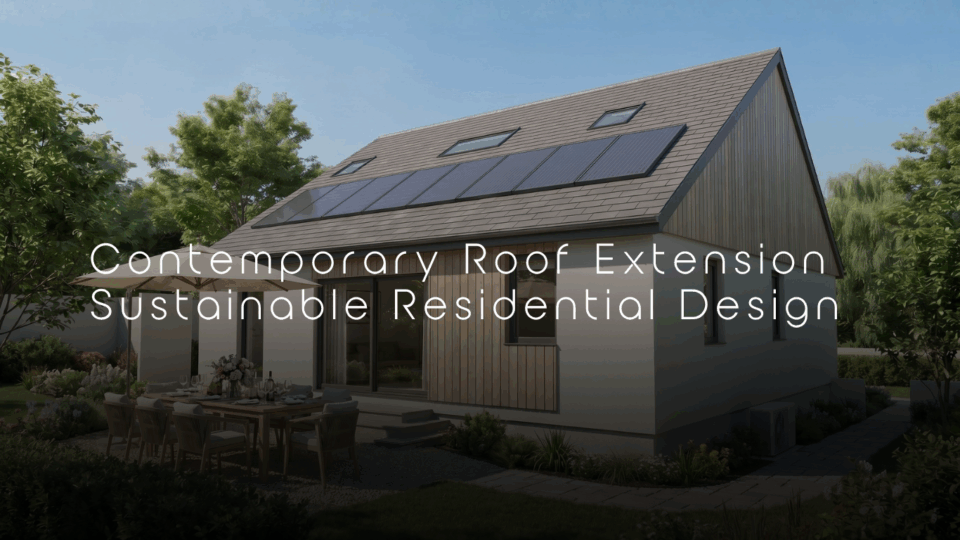
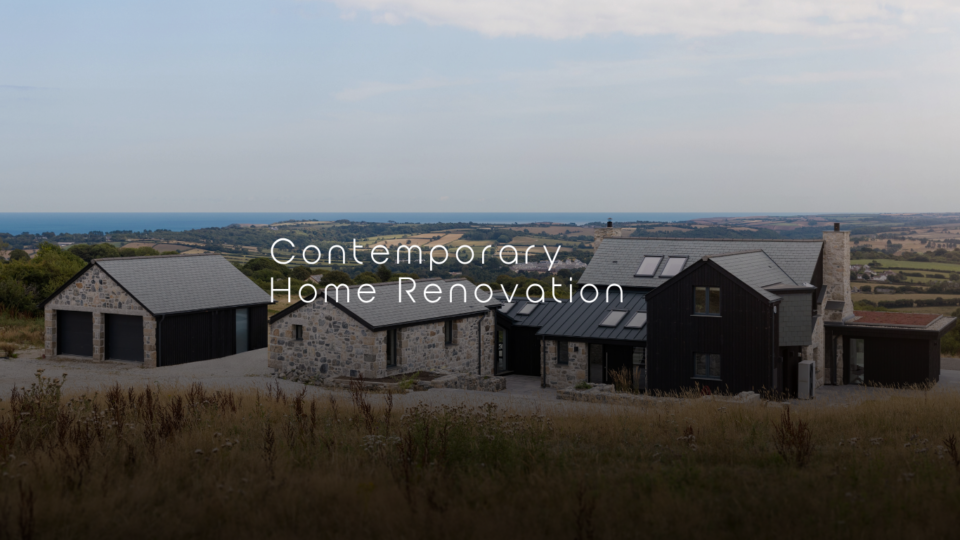
A slate roof can reference the material language of traditional rural buildings while allowing the architecture beneath it to be distinctly contemporary.
It is often the combination of familiar materials with modern forms that creates the most interesting results.
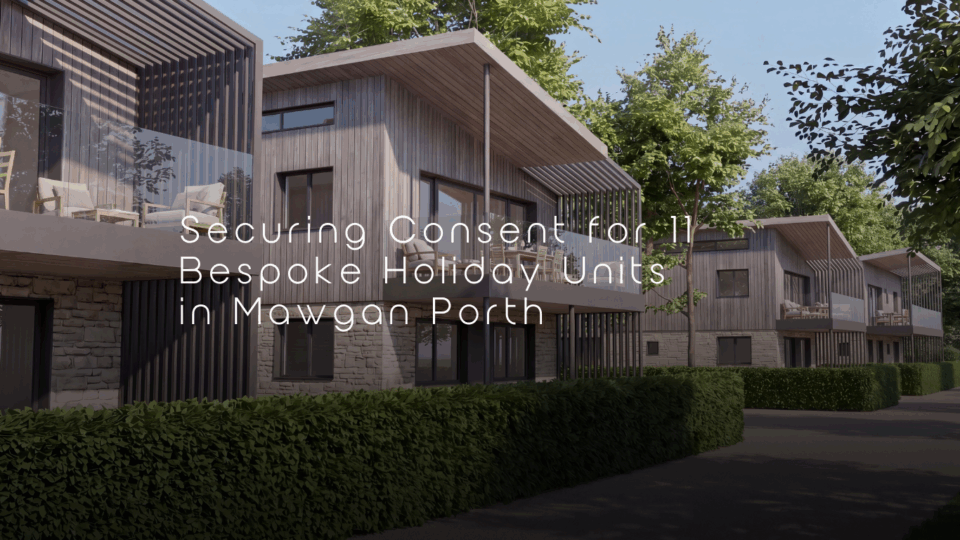
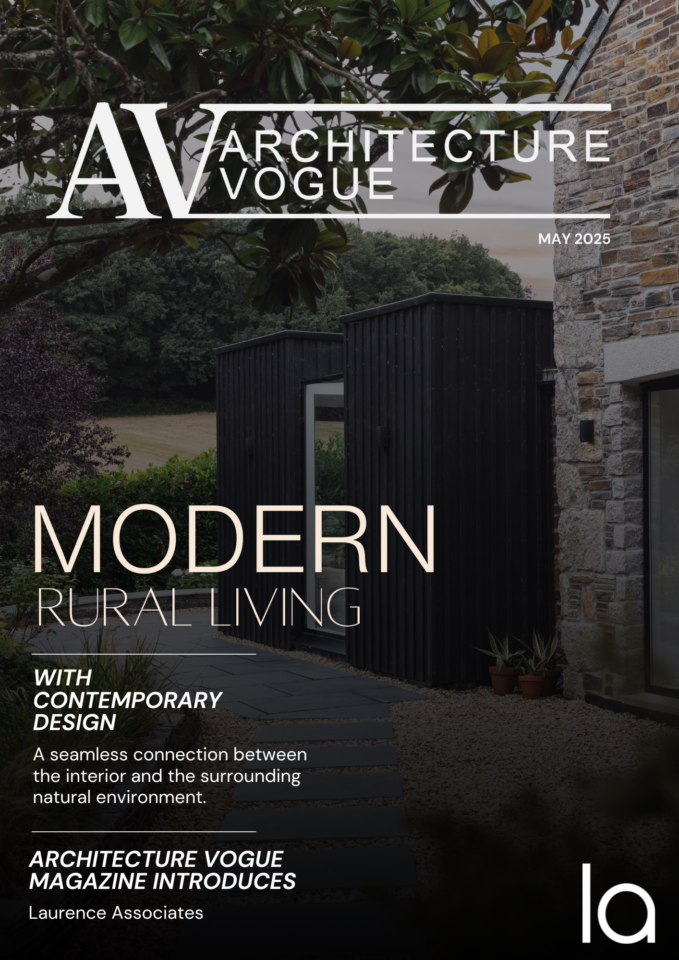
Bringing warmth through timber
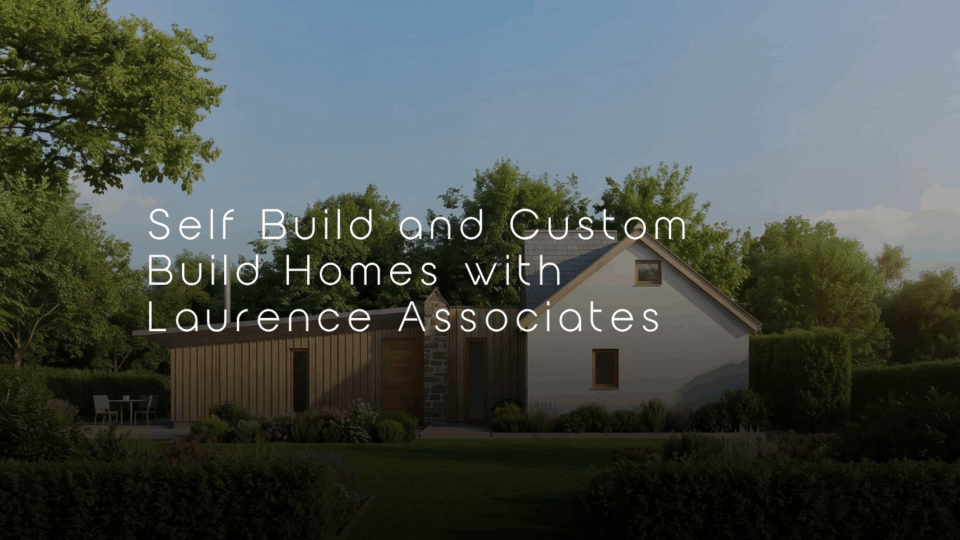
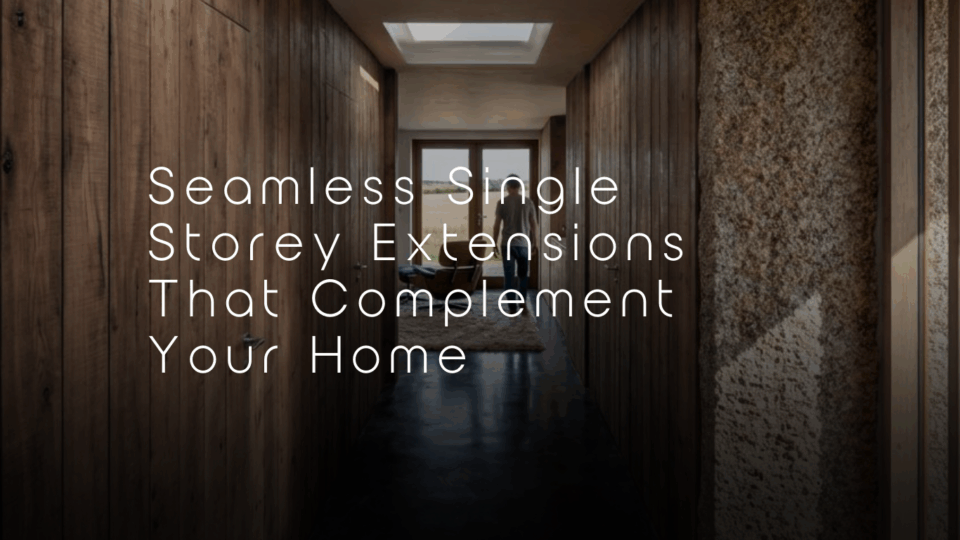
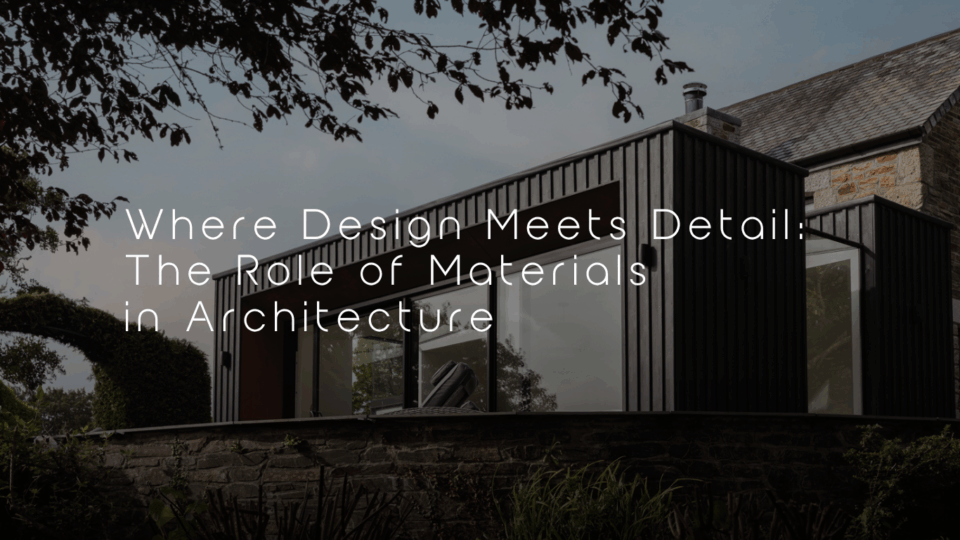
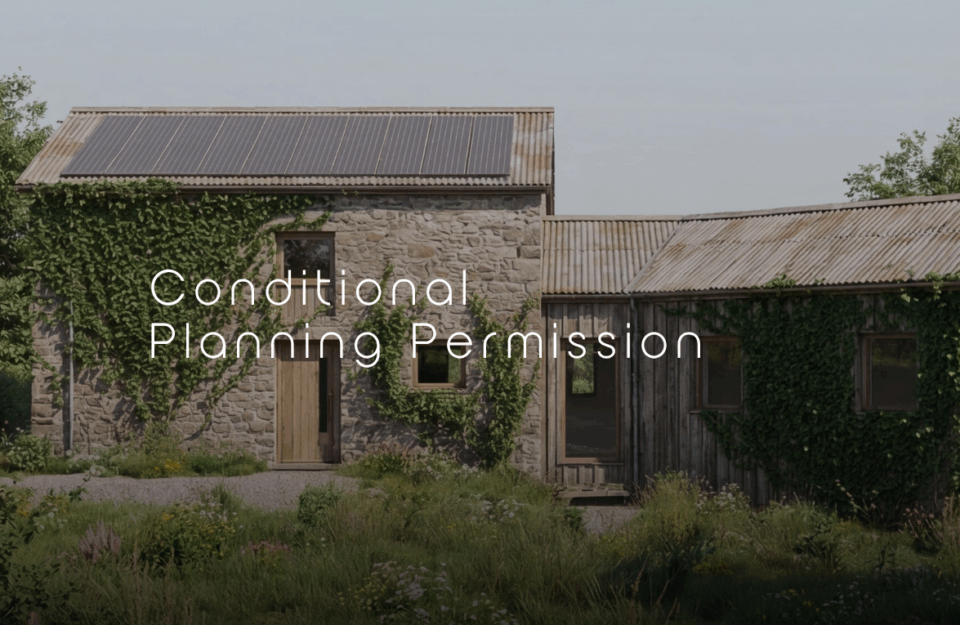
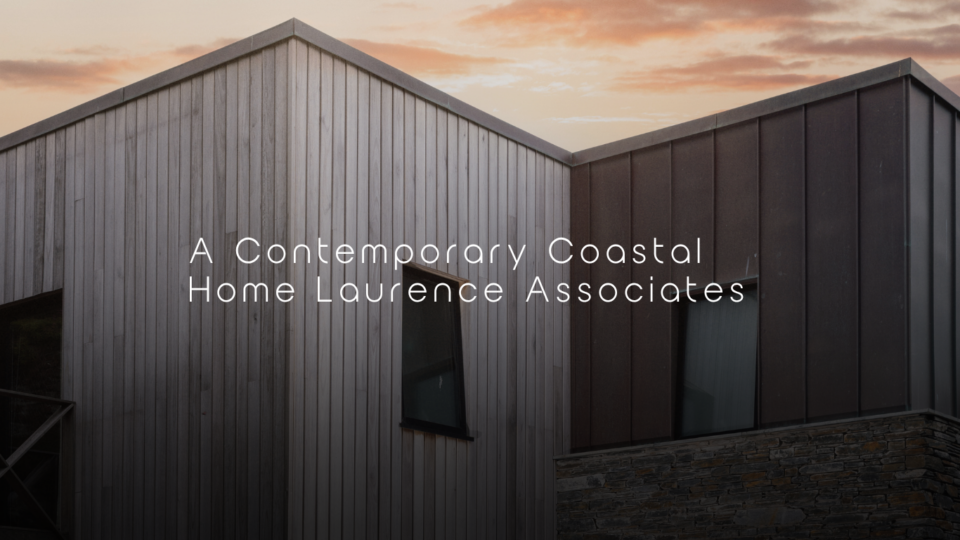
Timber can introduce warmth and texture to a contemporary building.
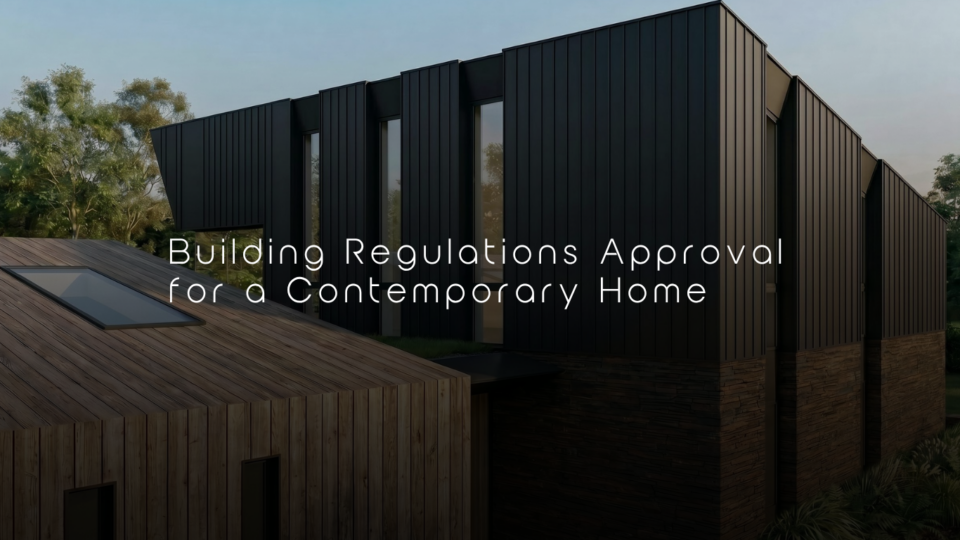
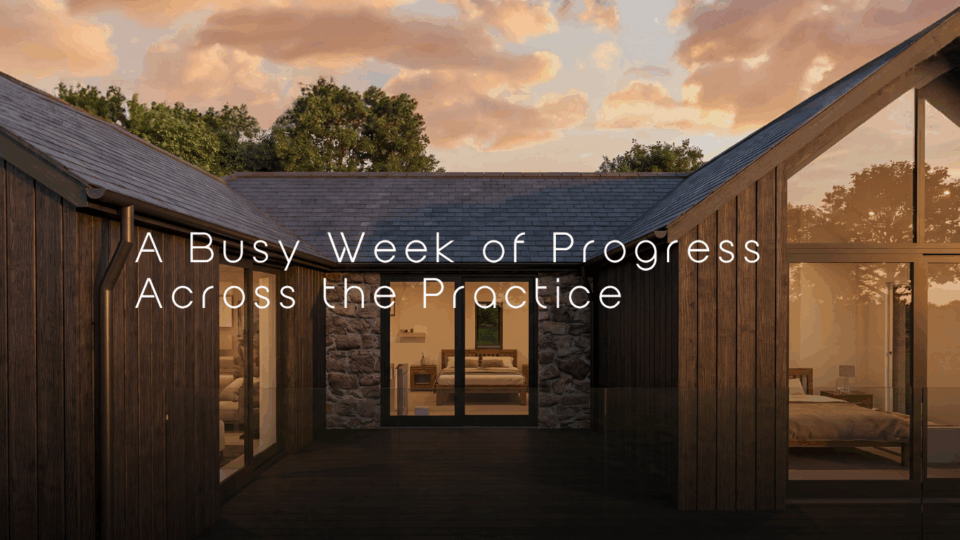
Used alongside stone and slate, it can soften the overall appearance and create a more natural transition between the building and its landscape.
The choice of finish matters too.
Weathering, colour and texture can all influence how a material changes over time and how the building sits within its surroundings.
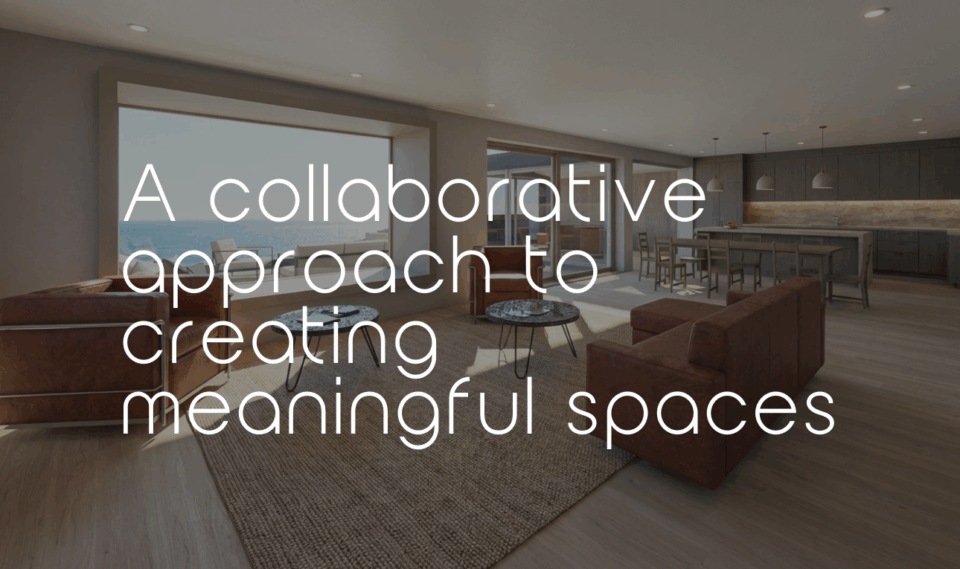
Letting the landscape in
Materiality is not only about what you see from outside.
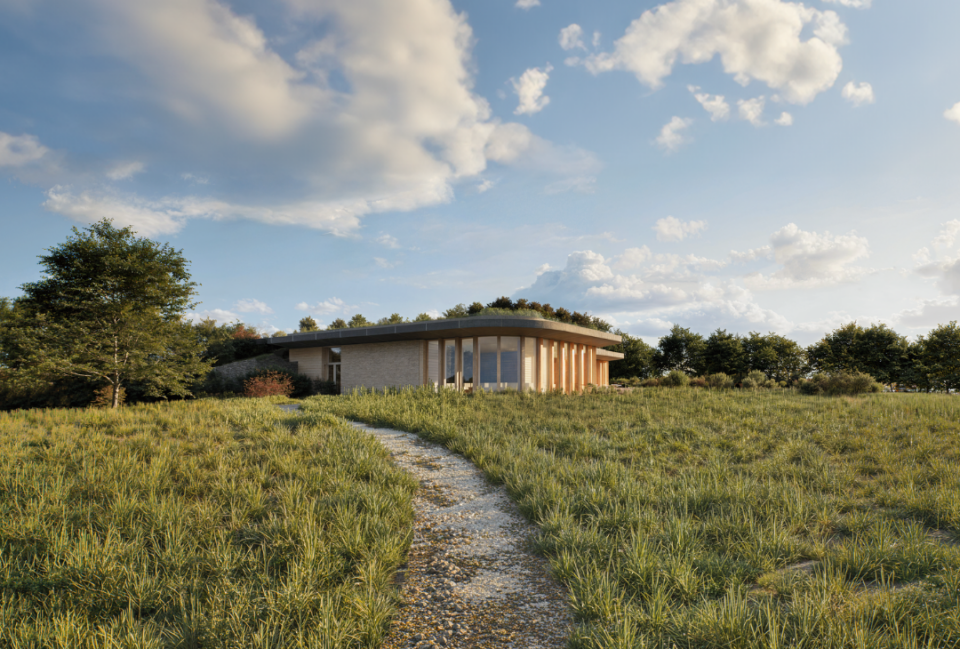
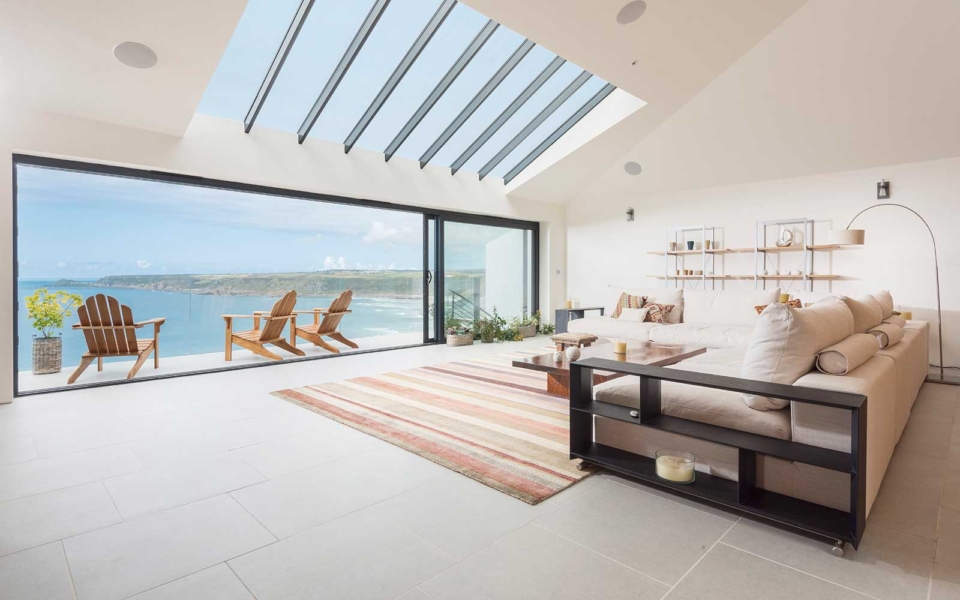
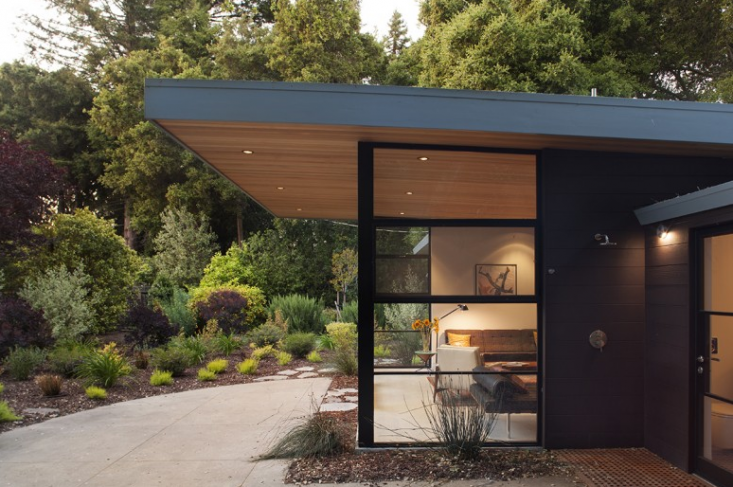
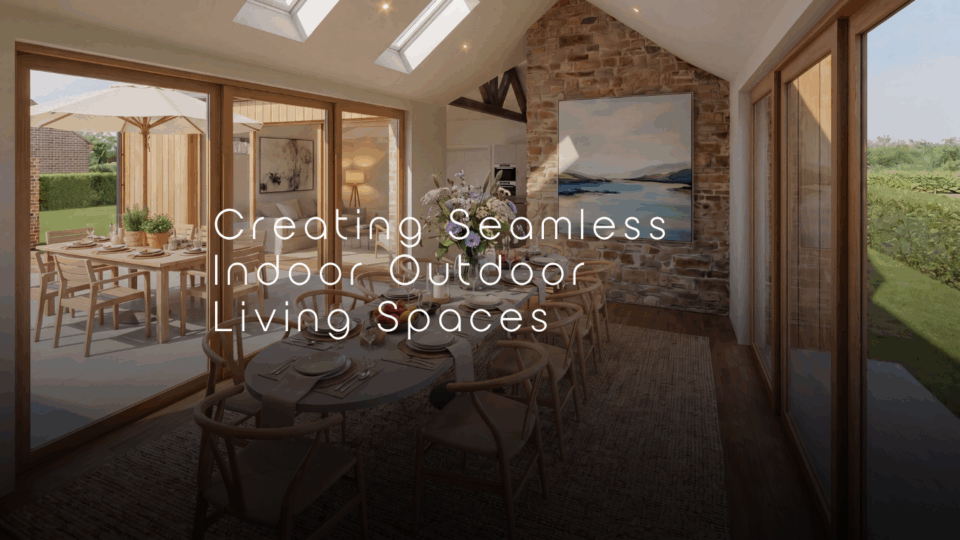
Large areas of glazing can create another important connection between architecture and landscape.
Views can become part of the architecture.
Natural light can shape the internal spaces.
And the boundary between the home and its surroundings can become much less defined.
This is particularly powerful in rural locations where the landscape itself can be one of the most important features of the site.
Contemporary does not have to mean disconnected
There is sometimes an assumption that a contemporary home will look out of place in the countryside.
But contemporary architecture does not have to fight against its surroundings.
The opportunity is to understand the character of the site and use that understanding to inform the design.
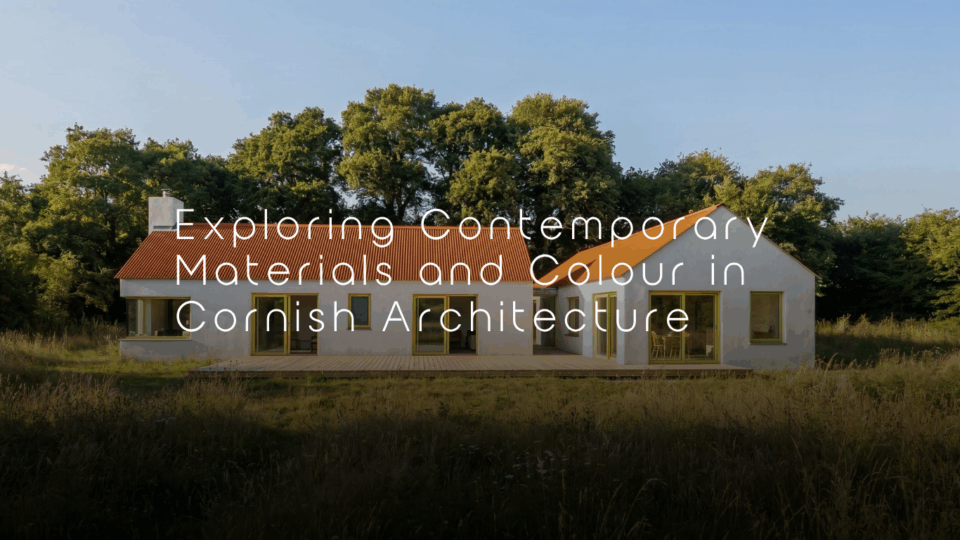
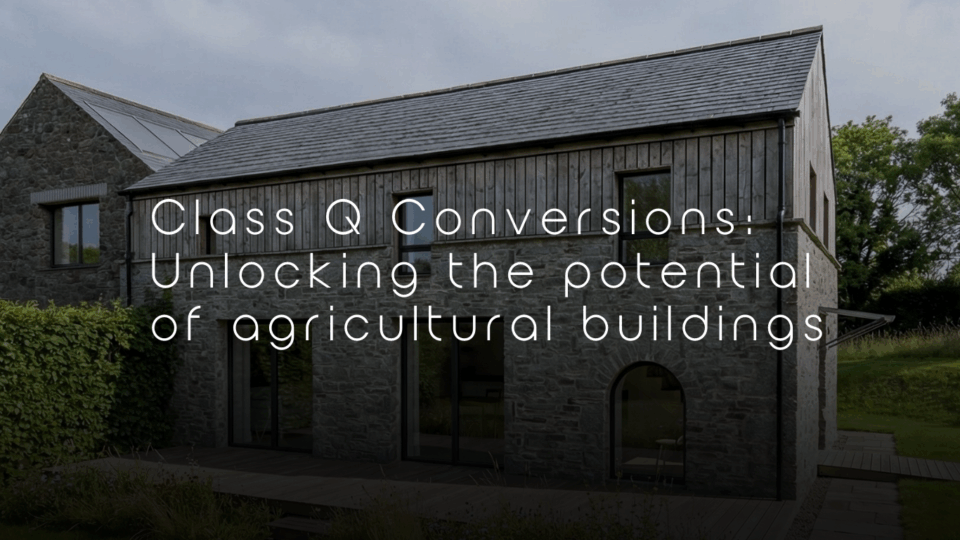
This might mean traditional materials used in a contemporary way.
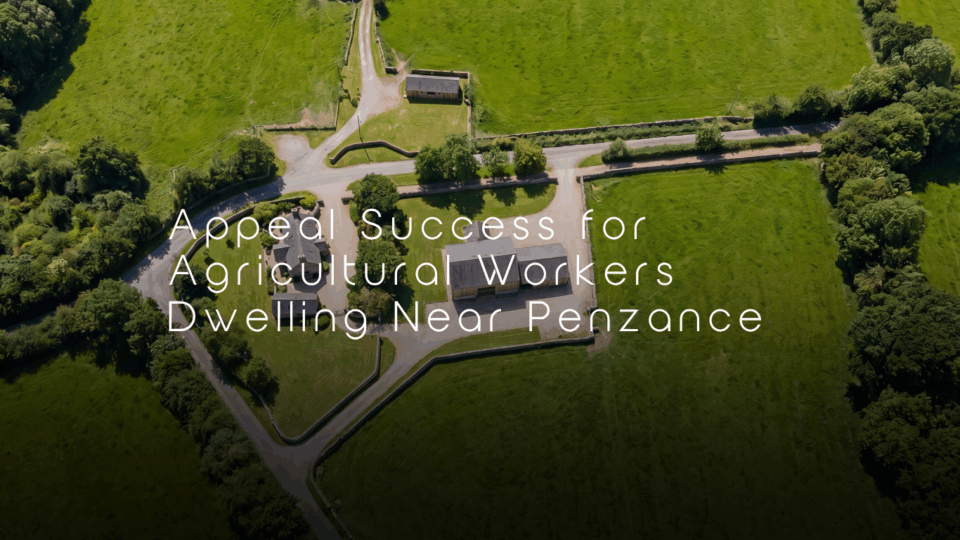
It might mean a building that reflects the forms of nearby agricultural buildings.
Or it might mean using modern glazing and detailing to create a stronger relationship with the landscape.
At Laurence Associates, our planning, architecture, landscape and energy teams work collaboratively to consider the wider context of a project from the outset. This integrated approach is particularly valuable when designing within sensitive rural landscapes.
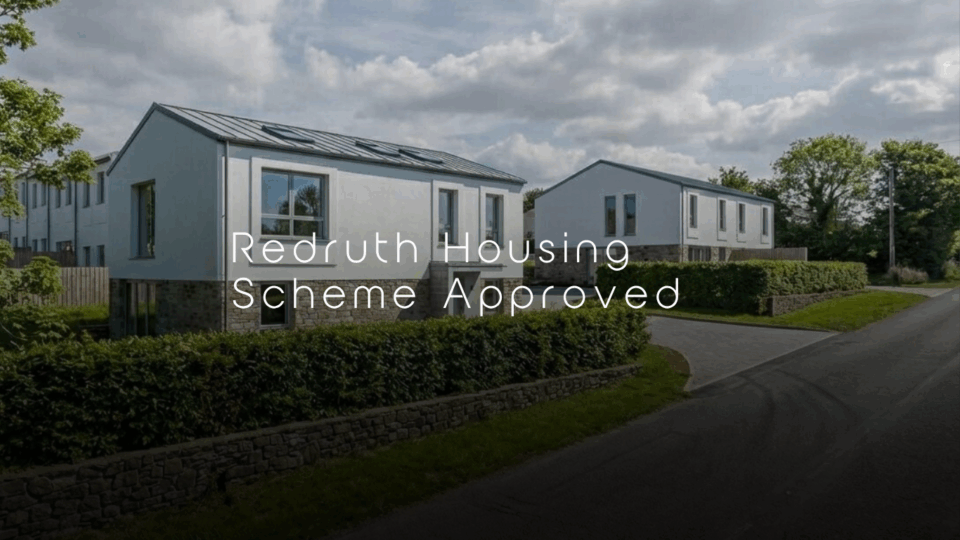
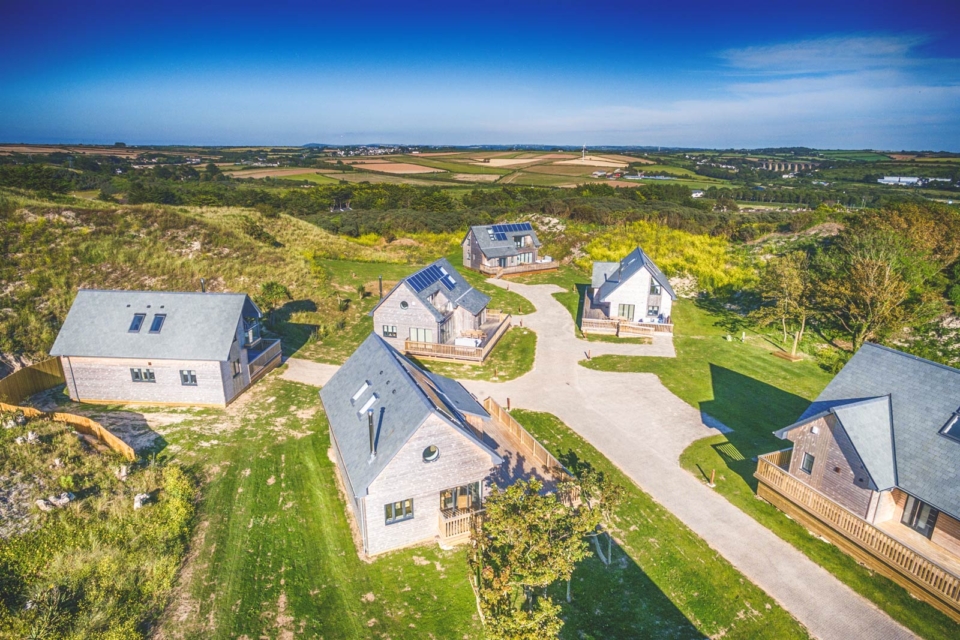
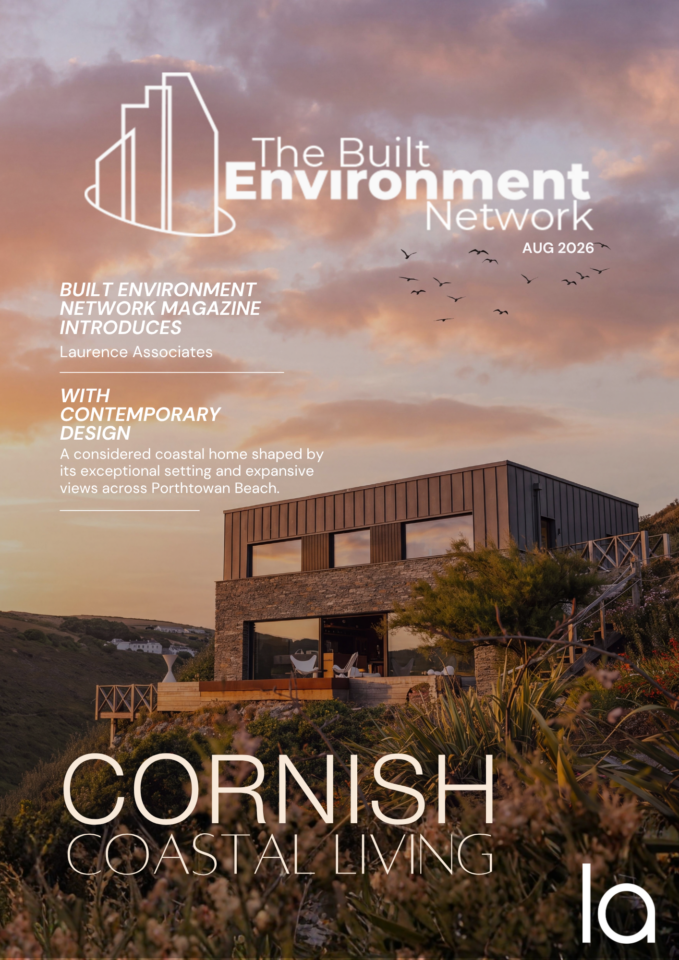
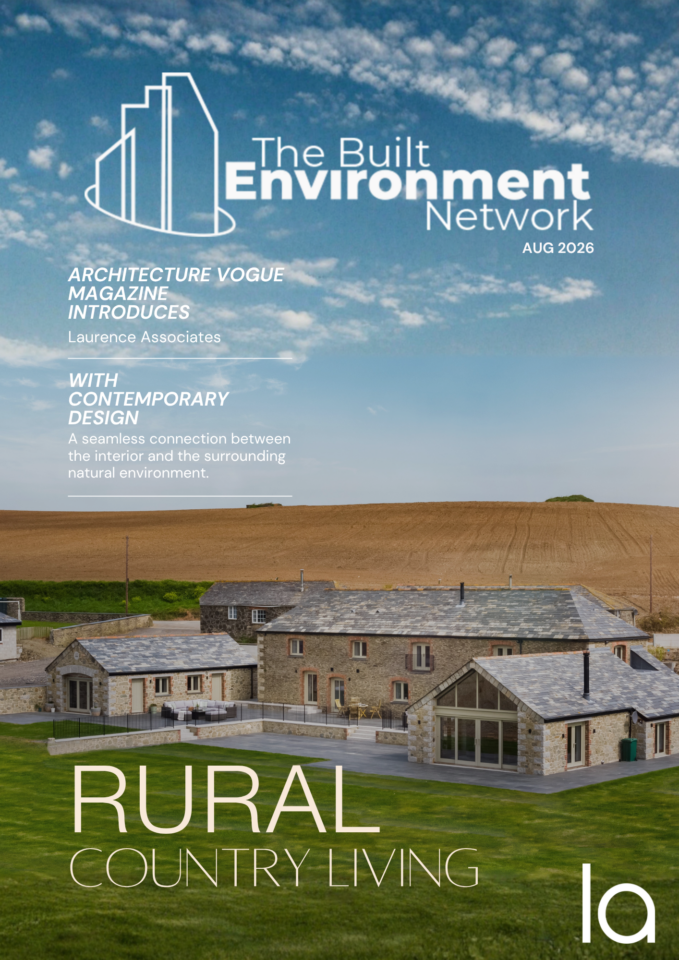
Our work demonstrates how locally responsive materials can be combined with contemporary design.
Designing something that belongs
Good rural architecture does not necessarily need to disappear into the landscape.
It can be contemporary.
It can be distinctive.
It can respond to modern ways of living.
But it should also feel as though it belongs to its place.
That is where materiality becomes so important.
Because sometimes, it is not about asking “How can we make this building fit in?”
It is about asking:
“What can this place teach us about how the building should be designed?”
If you are considering a new home, renovation or extension in the Devon countryside, our team can help you explore how architecture, materials and landscape could work together to create something that feels right for its setting.
Could your project tell the story of its place?
Truro: 01872 225 259
Exeter: 01392 979 135
Email: hello@laurenceassociates.co.uk