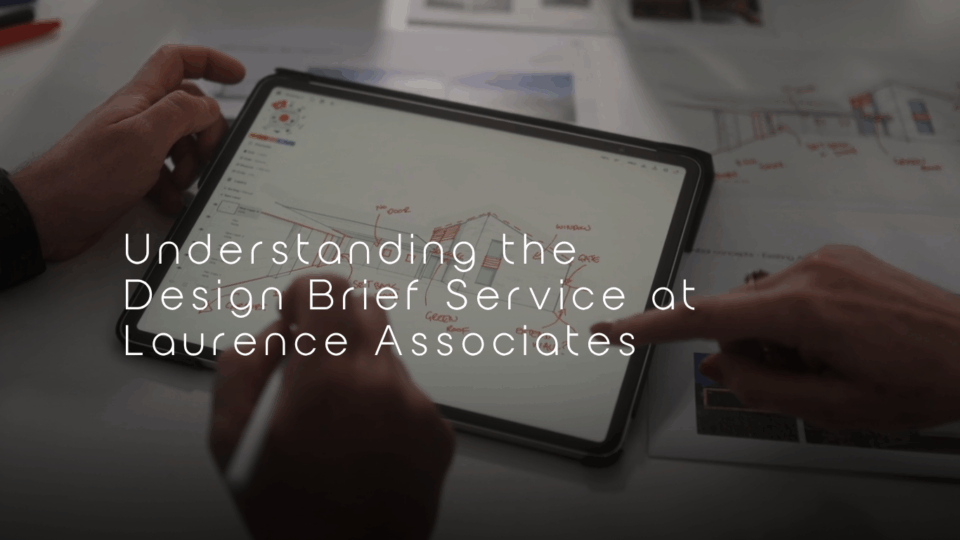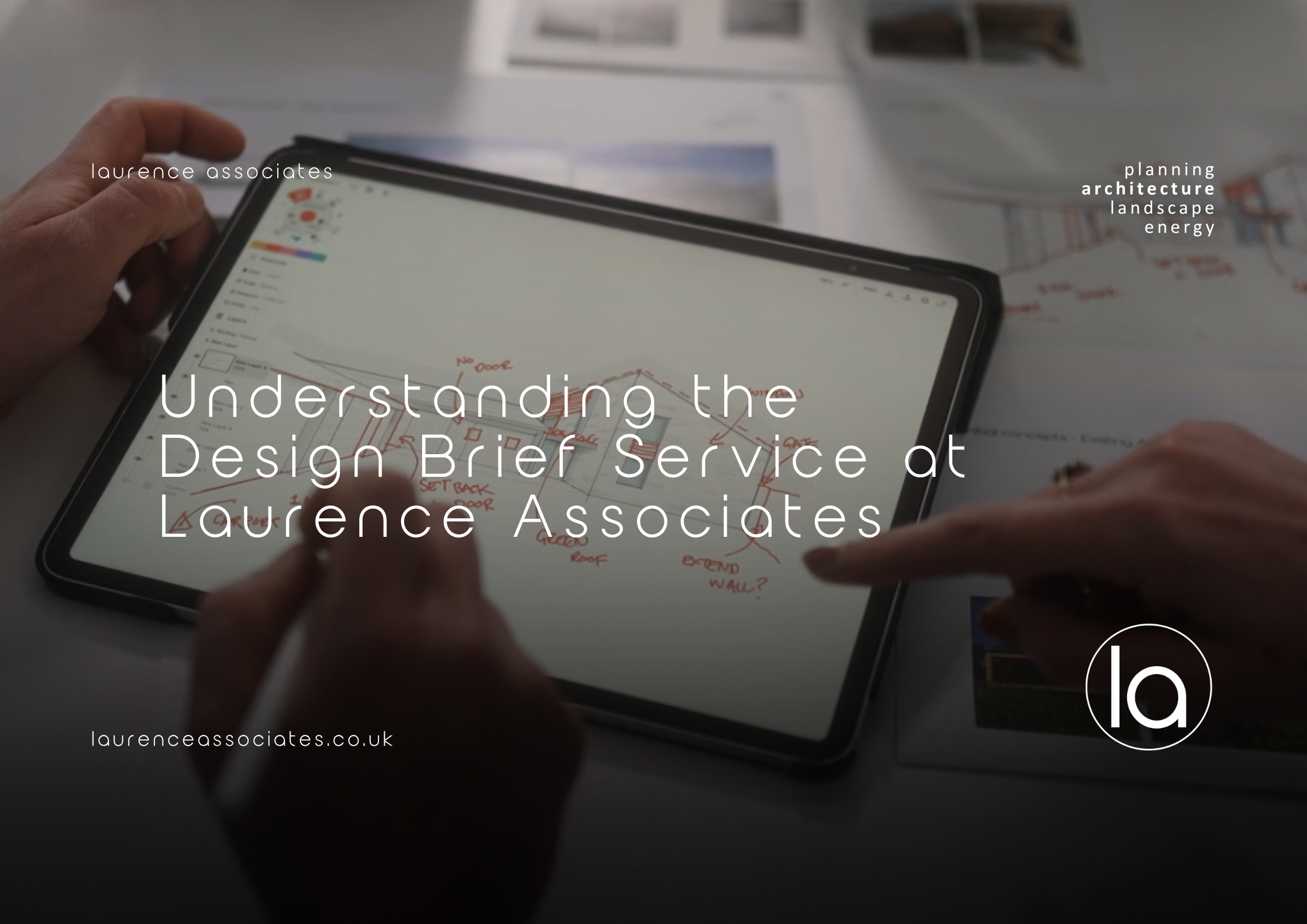
Understanding the Design Brief Service at Laurence Associates
A successful architectural project rarely begins with drawings. It begins with understanding. At Laurence Associates, this understanding is captured through a carefully developed design brief service, which forms the foundation of every project we undertake.
A design brief is far more than a list of requirements. It is a structured yet flexible conversation between client and designer that defines what you want to achieve, how you want to live or work in a space, and what constraints or opportunities may shape the journey ahead. It is the starting point that ensures every decision made later in the process is informed, intentional and aligned with your vision.
What is a design brief
A design brief is a clear document that sets out the key objectives, aspirations and practical requirements of a project. It typically includes budget considerations, timeframes, spatial needs, planning constraints and aesthetic preferences. However, at Laurence Associates we see it as something much more dynamic than a static document.
It is a working tool that evolves. As discussions develop and ideas are explored, the brief is refined to reflect new insights and possibilities. This ensures that the final design is not only practical but deeply connected to how you want the space to function and feel.
Why the design brief is so important
The design brief is the backbone of a well-considered architectural process. Without it, design decisions can become fragmented or reactive. With it, there is clarity, structure and purpose from the very beginning.
A strong brief helps to
Provide clear direction for the design team
Reduce misunderstandings during the project lifecycle
Align expectations around budget and programme
Identify opportunities and constraints early on
Support better long-term decision making
By investing time in the brief at the outset, we reduce uncertainty later in the process, leading to more efficient design development and a smoother project overall.
How Laurence Associates develops your design brief
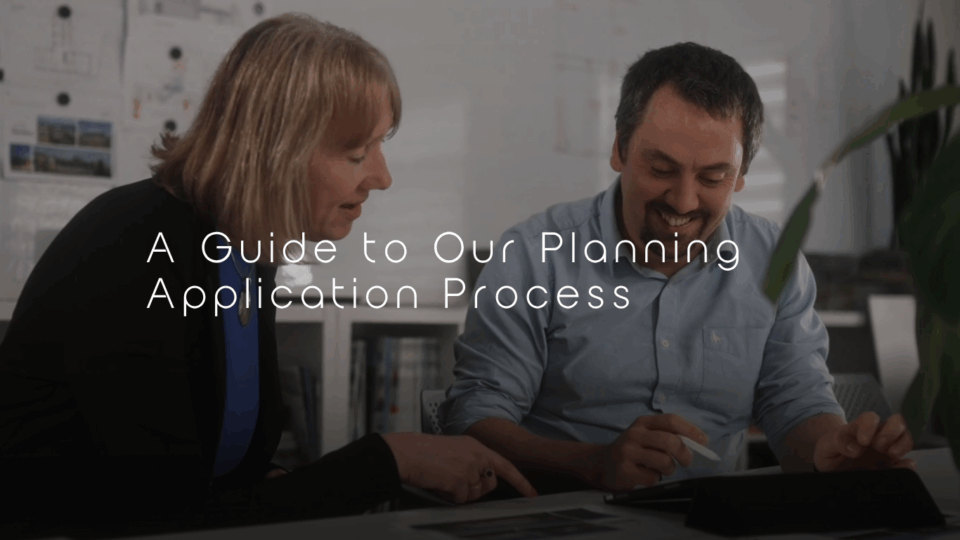
Our approach is collaborative and tailored to each client. We do not rely on generic templates or assumptions. Instead, we work closely with you to build a full understanding of your needs, ambitions and the context of your project.
This process often includes
In depth client meetings and conversations
Site visits and contextual analysis
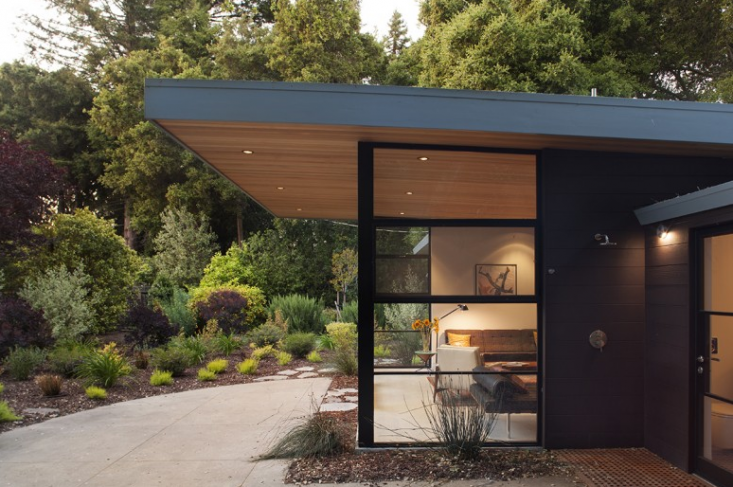
Review of inspiration imagery and reference material
Discussion around lifestyle, routines and future plans
Exploration of budget and feasibility considerations
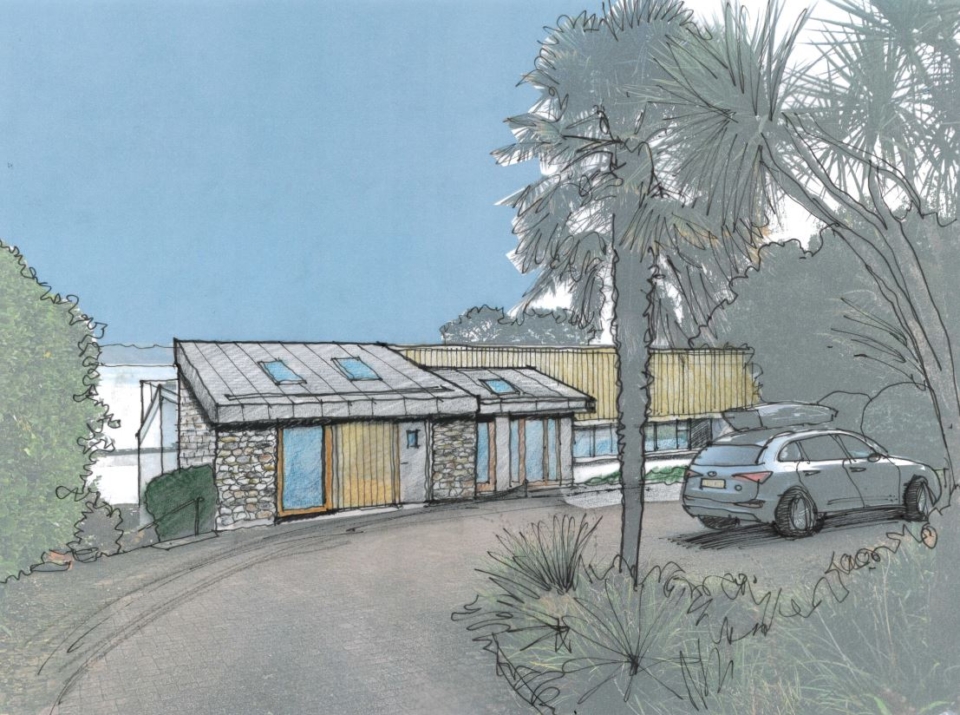
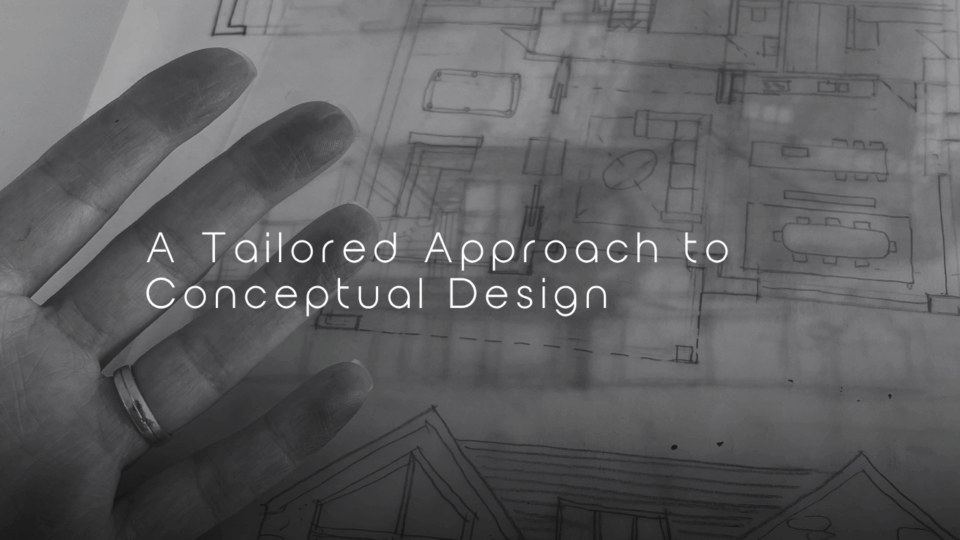
We also encourage clients to share anything that helps communicate their vision. This may include sketches, magazine clippings, digital mood boards or even informal ideas that have not yet been fully formed. These inputs are valuable in helping us understand not just what you want, but why you want it.
A brief that evolves with your project
One of the key strengths of our approach is that the design brief is not fixed at a single moment in time. As the project progresses, new information, constraints and opportunities often emerge.
Rather than seeing this as a challenge, we use it as part of the design process. The brief is refined and revisited at key stages, ensuring it remains relevant and aligned with the direction of the project. This flexibility allows for more responsive and thoughtful design outcomes.
Moving from brief to design
Once the design brief is established, it becomes the foundation for the creative process. It guides early concept development, informs planning strategy and supports detailed design decisions as the project progresses.
Because every key requirement and aspiration has already been explored and agreed, the design process becomes more focused and efficient. This leads to stronger ideas, clearer communication and ultimately better outcomes for our clients.
The value of starting with clarity
Every project carries ambition, investment and personal significance. Starting with a well-developed design brief ensures that these elements are respected and understood from the outset.
At Laurence Associates, we believe that good architecture is not only about how a building looks, but how well it responds to the people who use it. The design brief is where that understanding begins.
By taking the time to get this stage right, we help create the conditions for successful, considered and meaningful design.
Get in touch with Laurence Associates today for a free consultation:
Truro: 01872 225 259
Exeter: 01392 979 135
Email: hello@laurenceassociates.co.uk