Planning Appeals Explained | What to Do If Your Planning Application Is Refused
Receiving a planning refusal can be disheartening, particularly after investing considerable time, effort and resources into preparing your proposal. However, a refusal does not necessarily mark the end of your project. In many cases, a planning appeal provides an opportunity to challenge the decision and demonstrate why planning permission should be granted.
At Laurence Associates, our experienced planning consultants provide independent advice, carefully reviewing each application to determine whether there are valid grounds for an appeal.
What is a planning appeal?
A planning appeal allows applicants to challenge a planning authority’s decision when permission has been refused or, in some circumstances, when conditions attached to an approval are considered unreasonable.
An appeal is determined independently, providing a fresh assessment of the proposal against national and local planning policies and other relevant planning considerations.
However, not every refusal should automatically be appealed. The strength of an appeal depends on the individual circumstances of each case.
How do we assess whether an appeal is worthwhile?
Before recommending an appeal, we carry out a detailed review of your application and the planning authority’s decision.
This includes considering:
- The reasons for refusal
- Relevant national and local planning policy
- Material planning considerations
- Planning history
- Any changes in circumstances since the original decision
- Opportunities to strengthen the planning case
Our objective is to provide clear, honest advice so you can make an informed decision about the next steps.
Understanding the recent changes to the appeals process
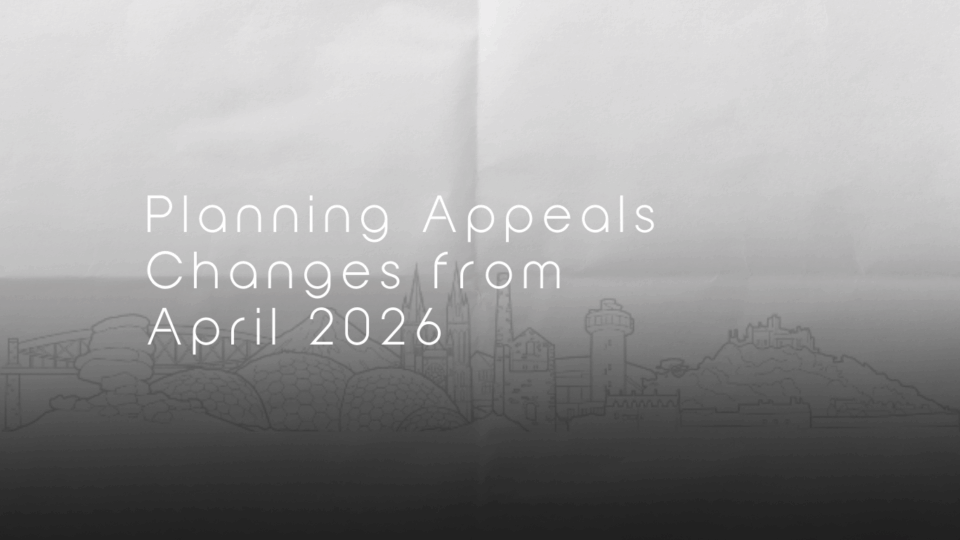
The planning appeals process has recently changed, meaning the most appropriate approach depends on when your planning application was submitted.
Applications submitted before 1 April 2026 may be appealed under the previous system, which generally allows applicants to prepare a detailed Statement of Case responding directly to the reasons for refusal.
For applications submitted on or after 1 April 2026, the appeals process differs, requiring a revised approach. Although the procedure has changed, applicants still have opportunities to explain why they believe the original decision should be reconsidered.
Understanding which process applies is essential, and professional advice can help ensure your appeal is prepared appropriately.
How Laurence Associates can help
Preparing a successful planning appeal requires a clear understanding of planning policy, careful analysis of the reasons for refusal and a well-structured planning case.
Our planning consultants can support you by:
- Reviewing your refusal notice and background report
- Assessing the likelihood of a successful appeal
- Advising on the most appropriate appeal strategy
- Preparing robust planning statements and supporting documentation
- Managing the appeal process from submission through to determination
- Monitoring deadlines and correspondence throughout the appeal
We work closely with our clients to present the strongest possible case while providing practical, transparent advice at every stage.
Considering your options after a refusal
While receiving a planning refusal can feel like a setback, it does not always mean your development cannot proceed. In some situations, an appeal may be the most appropriate course of action. In others, submitting a revised application may offer a better outcome.
Every site, proposal and planning decision is unique, which is why professional advice is invaluable before deciding how to proceed.
If your planning application has been refused and you would like to discuss your options, contact the Laurence Associates planning team. We will assess your case, explain the available routes forward and help you determine the most appropriate strategy for your project.
Truro: 01872 225 259
Exeter: 01392 979 135
Email: hello@laurenceassociates.co.uk