Energy Statements: Why They Matter for Planning Applications
Understanding Energy Statements for Modern Developments
As sustainability standards continue to evolve, Energy Statements have become an essential part of many planning applications across the UK. Local Planning Authorities increasingly require developers to demonstrate how proposed schemes will reduce carbon emissions, improve energy efficiency and contribute to wider environmental objectives.
Whether you are planning a residential, commercial or mixed-use development, understanding Energy Statement requirements early can help streamline the planning process and avoid unnecessary delays.
What Is an Energy Statement?
An Energy Statement is a detailed report submitted as part of a planning application. It demonstrates how a proposed development will meet relevant energy efficiency and sustainability requirements set by the Local Planning Authority.
The report typically assesses:
- Predicted energy consumption
- Carbon emissions performance
- Renewable energy generation opportunities
- Water efficiency measures
- Compliance with local planning policies
For larger commercial developments, Energy Statements may also address sustainability frameworks such as BREEAM.
Why Are Energy Statements Important?
Many planning authorities now require developments to achieve carbon reduction targets beyond standard Building Regulations requirements.
Depending on the location, projects may need to demonstrate reductions ranging from 10% to 35% compared with Part L Building Regulations.
Some authorities also require a percentage of on-site energy demand to be met through renewable technologies such as Solar Photovoltaics.
As requirements vary significantly across the country, each development must be assessed against its specific local planning policies.
Cornwall Council Energy Statement Requirements
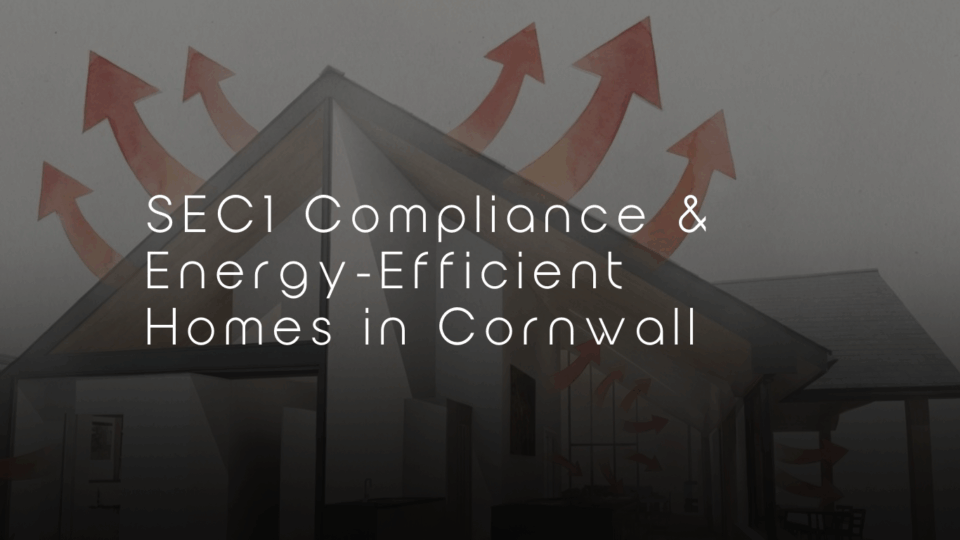
Cornwall Council introduced updated energy requirements in June 2023, placing greater emphasis on low energy design and renewable energy integration.
For residential developments, applicants are typically required to provide:
- An Energy Report
- An Energy Summary Tool
- SAP assessments for proposed dwellings
Major non-residential developments are generally expected to achieve a BREEAM Excellent rating, or an approved equivalent standard.
These requirements are intended to support Cornwall’s wider ambitions for reducing carbon emissions and improving sustainability across new developments.
How Laurence Associates Can Help
At Laurence Associates, we provide comprehensive Energy Statements tailored to the specific requirements of your development and its location.
Our accredited specialists deliver:
- Energy Statements
- SAP Calculations and Reports
- Dynamic Thermal Modelling
- Water Efficiency Calculations
- Sustainability Assessments
- Planning Compliance Support
We work closely with planning requirements and project teams to ensure every report clearly demonstrates compliance and supports a successful planning application.
Speak to Our Team
If you are preparing a planning application and need guidance on Energy Statement requirements, Laurence Associates can help.
Contact our team today to discuss your project and discover how our tailored energy and sustainability services can support your development.
Truro: 01872 225 259
Exeter: 01392 979 135
Email: hello@laurenceassociates.co.uk