Why Part T Is Changing Commercial Design More Than You Think
At first glance, Approved Document T might seem like a small update.
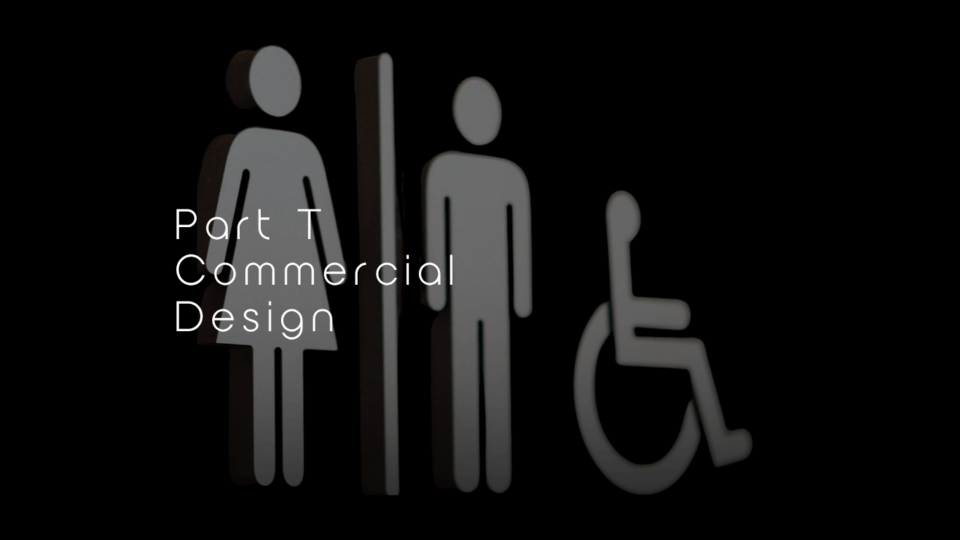
It focuses on toilet provision in non-domestic buildings, the detail of which have traditionally been left until later in the design process.
In reality, it is starting to influence commercial projects much earlier and in more significant ways than many expect.
Some uses that historically didn’t require a toilet provision now do, and as the approach to provision has changed, more toilets are often required. So, if you are thinking about a new build or if you are altering or extending an existing no-domestic building, have you thought about compliance with Part T?
What Is Part T in Building Regulations?
Part T sets out guidance for toilet provision in buildings other than dwellings across the UK.
With detailed requirements on the types of toilets required, how they should be arranged, how small the cubicles can be and how the toilet provision is distributed within a building.
For commercial projects, this means toilet design is no longer just a technical detail. It is a key part of early planning.
Why Part T Matters for Commercial Developments
For developers and investors, efficiency is key. Maximising usable space while maintaining compliance is what drives value in a scheme.
Part T introduces more defined requirements, which often reduces flexibility later in the design process. As a result, decisions that were once made later now need to be resolved much earlier, so you don’t lose a desk space in the office or a couple of tables in the café.
Whatever non-domestic project you have planned Part T could affect the layout planning, space allocation and overall useability of the space.
The Hidden Impact on Space and Value
Toilet provision might seem like a small element of a building, but it has a wider impact on how space is used. Potentially impacting, lettable floor area or creating challenges further through the design process with layout compromises, redesign and potential delays.
For commercial schemes, this could directly affect programme, profitability or even viability.
A Smarter Approach to Compliance
The most effective approach is to integrate Part T from the outset.
When considered early in the design process, it allows the layout to develop around the requirements rather than forcing them to fit later in the process. Resulting in spaces that work as you want them and perform better for the people using them.
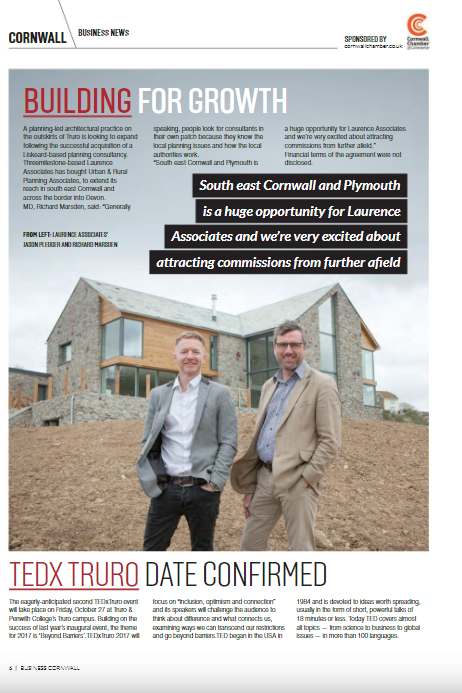
How Laurence Associates Support Commercial Projects
At Laurence Associates, we design with both compliance and commercial outcomes in mind.
We incorporate requirements such as Part T at the earliest stages of a project, ensuring they are considered as part of the overall design strategy and commercial approach.
By problem solving early and incorporating Part T we can help ensure you have efficient layouts that work for your business, reducing risk later down the line.
This helps our clients move forward with clarity and confidence.
Part T is a good example of how regulatory updates, to simple things like toilets, can have a wider impact on commercial design. Understanding these changes early allows developers and project teams to make better decisions, protect value and avoid unnecessary disruption.
In commercial architecture, the details matter. When addressed at the right time, they can make a measurable difference to the success of a project.
If you are planning a commercial new build development or are thinking of altering an existing space and want to ensure compliance is considered from the outset, get in touch with Laurence Associates to discuss your project.
Truro: 01872 225 259
Exeter: 01392 979 135
hello@laurenceassociates.co.uk