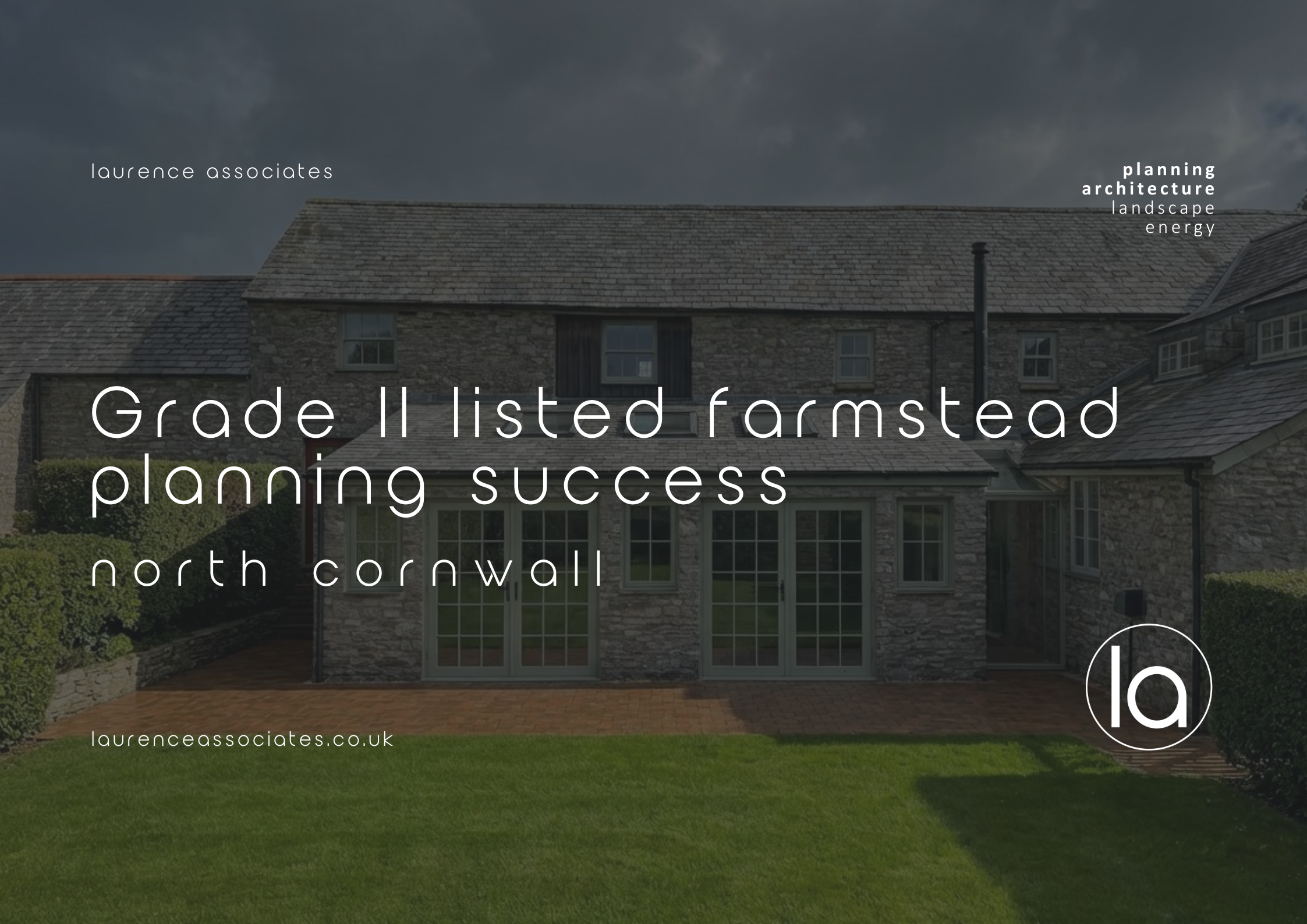
Grade II Listed Farmstead Planning Success, North Cornwall
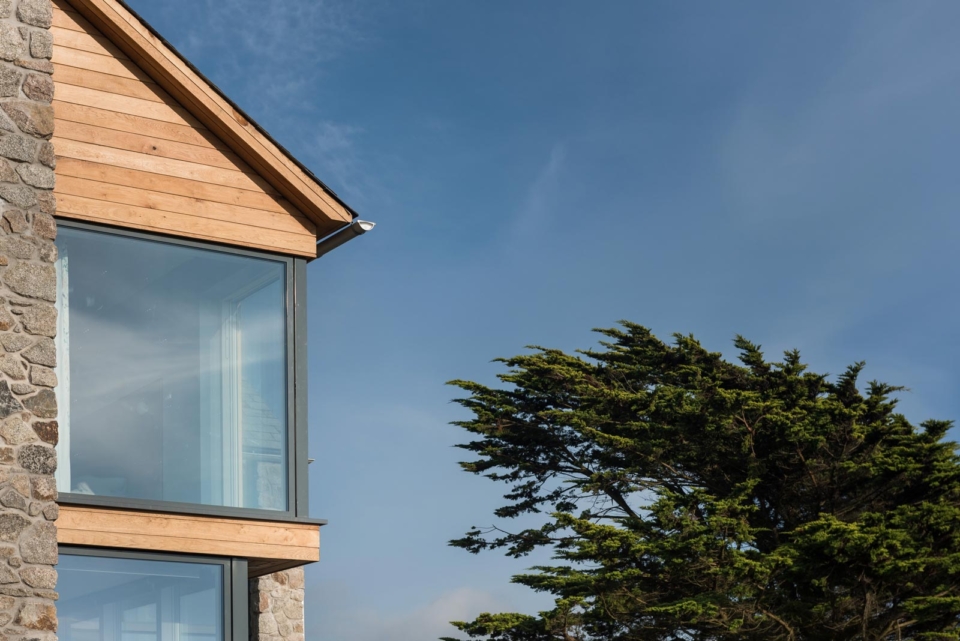
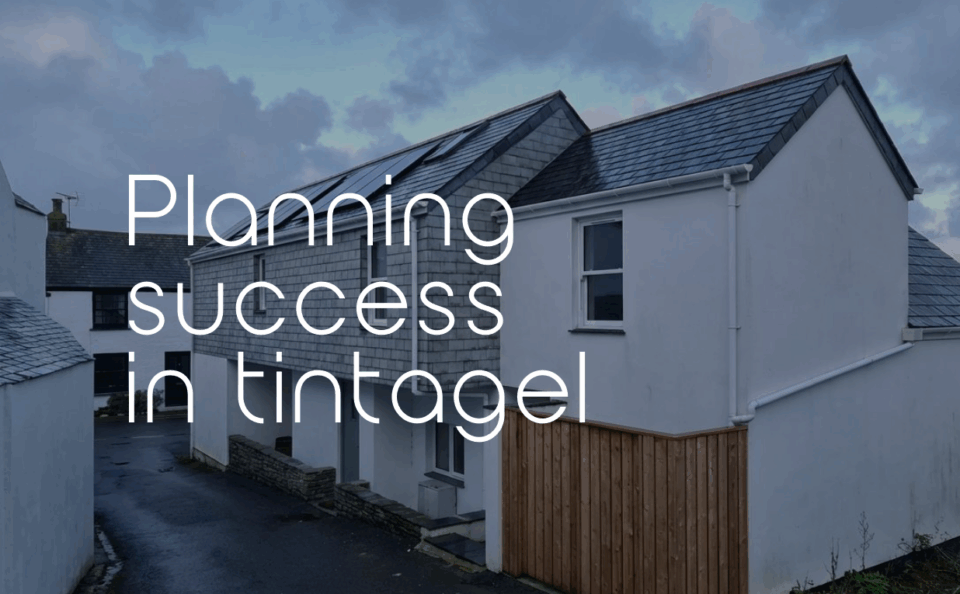
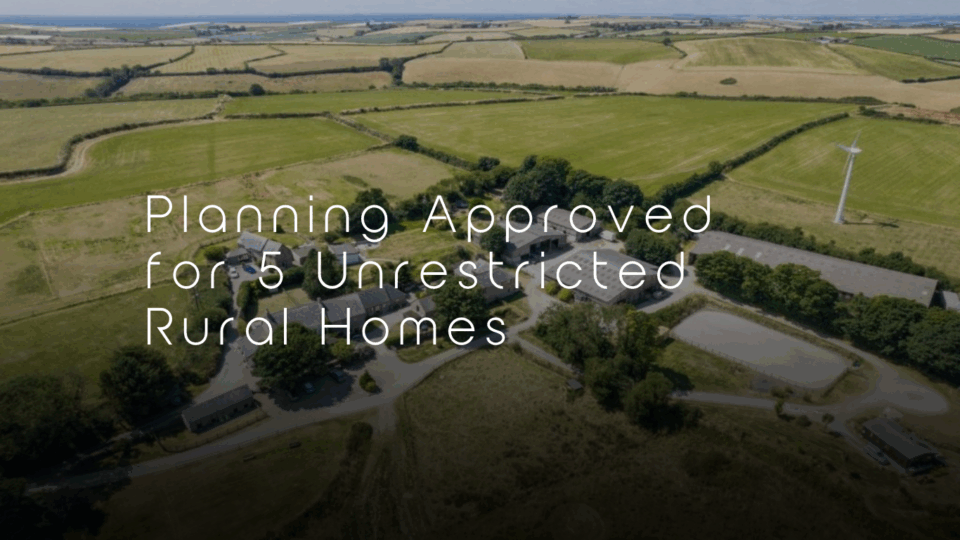
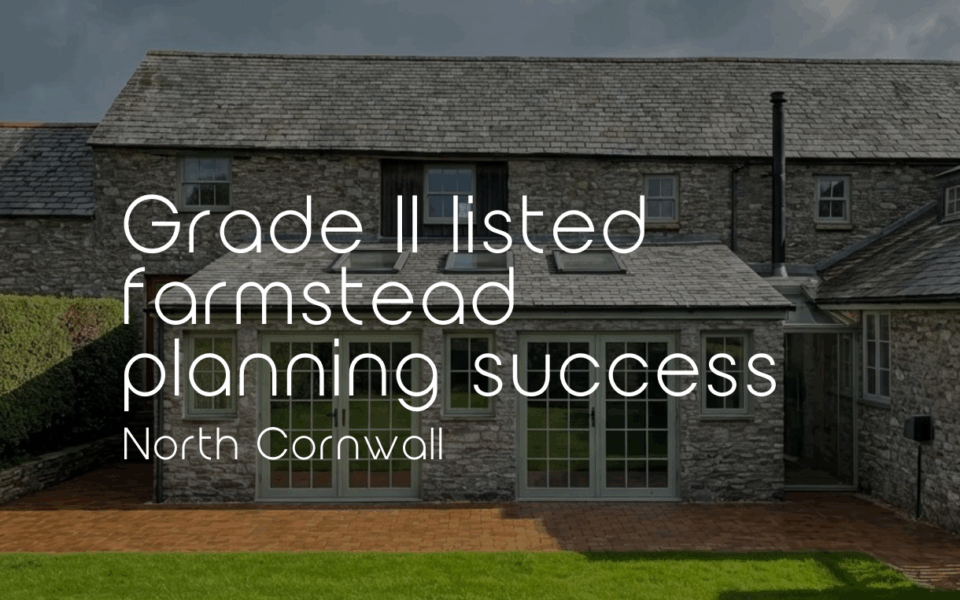
We recently gained two consents for a client in north Cornwall who had recently purchased a historic barton farmstead which includes a Grade II listed farmhouse. The aim was to assist firstly in securing a more workable layout to provide a family home and secondly to maximise the potential of a redundant outbuilding.
For the first application, we submitted full planning and listed building applications to retain one part of the property as a holiday unit, amalgamate another holiday unit into the main building, add a glazed orangery and make some internal alterations.
Following some comments by the Council’s historic environment team we arranged to meet them on site to discuss the proposals. This resulted in a constructive dialogue, which was followed up by additional advice from the officer and some design changes to the orangery part of the scheme. The historic environment officer then agreed that this resulted in an enhancement to the overall character of the property and that the careful choice of materials reinforced the sympathetic approach, ensuring that the extension contributes positively to the site’s aesthetic and heritage value. The application was therefore approved.
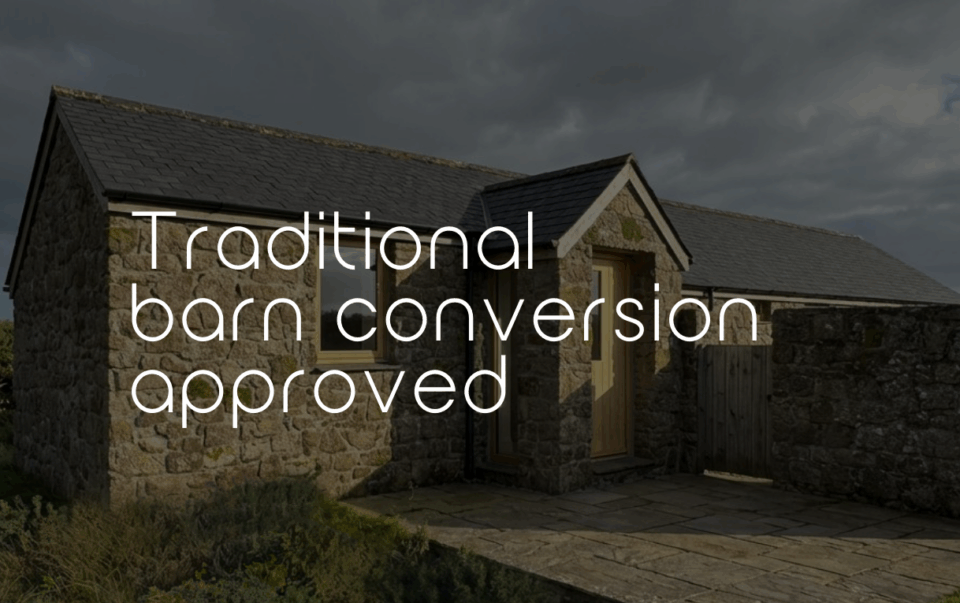
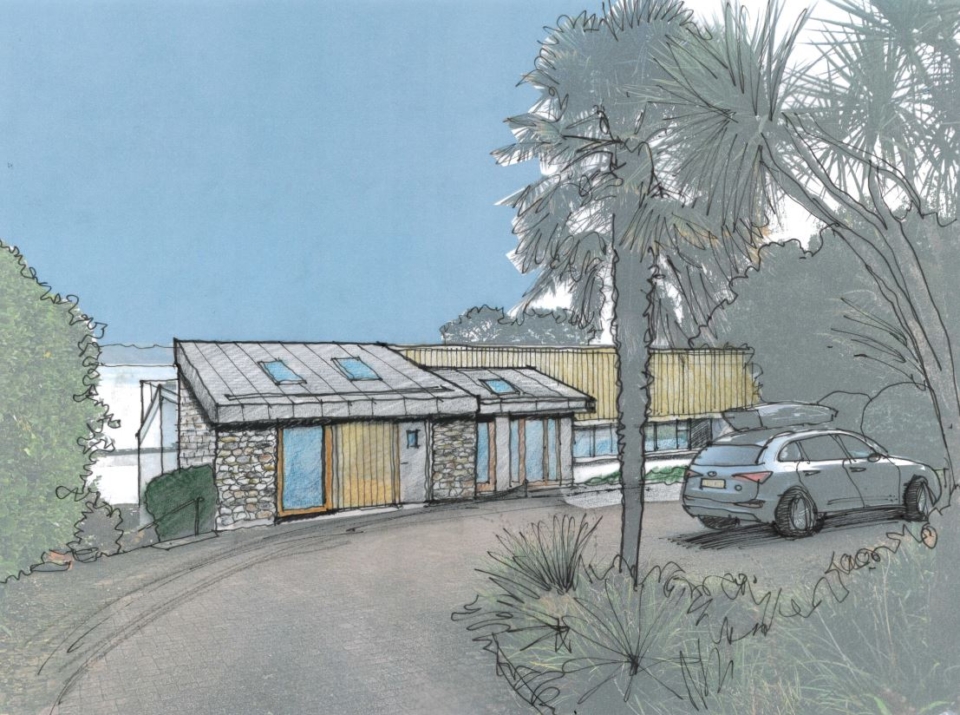
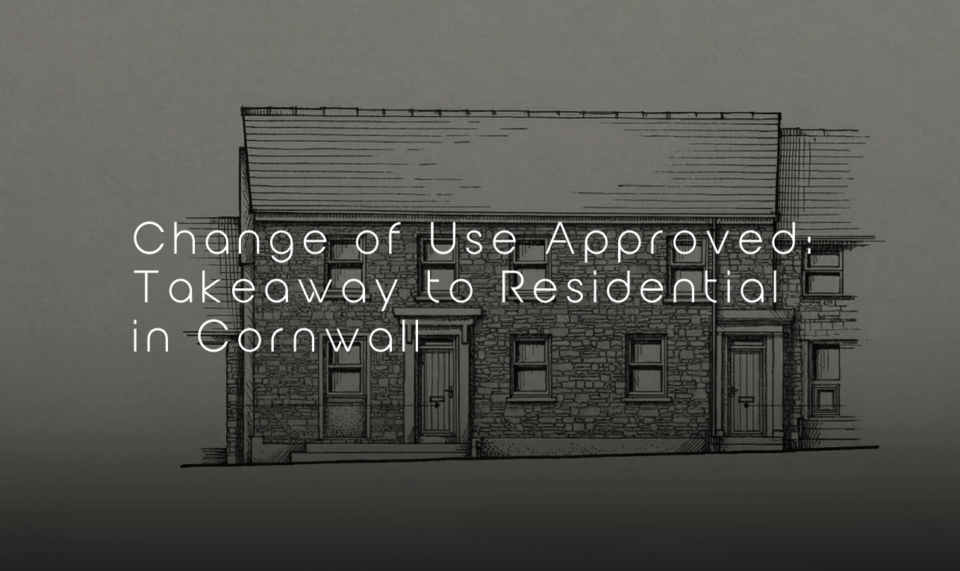
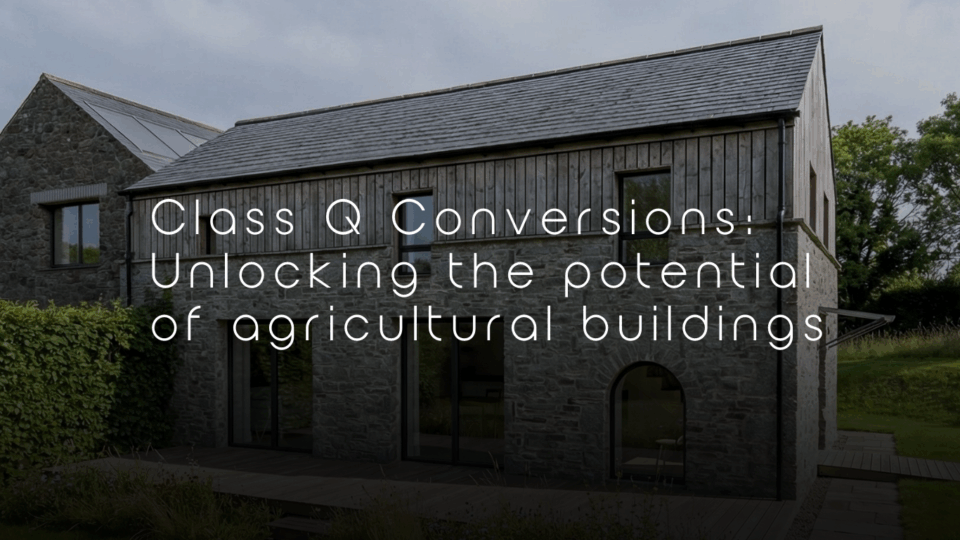
The second application was for the conversion of part of a courtyard of farm buildings, some of which had already been converted to residential use. The courtyard development is set to the side of the Grade II listed building and during the course of the application, the Council decided to treat the building as a non-designated heritage asset, refusing the application.
Through a written representations appeal, we clearly demonstrated that the Council’s decision was not justified, resulting in the appeal being granted. The Inspector agreed that our sensitive design approach would ensure that the building would not appear overly domestic and would be altered in a sympathetic manner. This would retain its existing agricultural quality and rural setting. The appearance and historic significance of the non-designated heritage asset would be protected and this part of the wider setting of the listed building would be preserved. Whilst the Council sought to restrict the dwelling to a holiday let, the Inspector agreed that this was unreasonable.
Both applications were accompanied by a Heritage Impact Assessment, prepared by Statement Heritage. The conversion application was supported by a structural report, prepared by our sister company, Form.
If you’re managing multiple applications on one site or navigating heritage constraints, we’re here to help.
Click here to contact us today for a free consultation.
Truro: 01872 225 259
Exeter: 01392 979 135
hello@laurenceassociates.co.uk