Why Do I Need a Professional Consultant’s Certificate?

Formerly known as an Architect’s Certificate, a Professional Consultant’s Certificate – or PCC – is described by the Council of Mortgage Lenders (CML) as an affordable alternative to a structural warranty (e.g. an NHBC build mark).

It’s a single-page document signed by a professional construction consultant (such as an architect), confirming that he/she has visited the site at different stages of the build and that the property has been generally constructed to a satisfactory standard. Read more here.

How much does a PCC cost?

Costing around £2,500, PCCs are cheaper than warranties and last six years from completion.

Why do I need one?

Banks etc, will generally only lend on a newly-built property where a warranty scheme covers it. The most well-known is probably an NHBC warranty, but these are relatively expensive and not generally used by smaller building companies and self-builders who favour PCCs. Laurence Associates’ Design Director, Jason Pledger, explains: “You’ll need a Professional Consultant’s Certificate if you’ve built a property you wish to sell and the buyer needs a mortgage, or if you wish to rent it out and need to raise a buy-to-let mortgage to release equity.

“If you rely on stage payments during the build, you’ll need interim certificates.”

By signing the certificate, the consultant confirms that he’s designed and/or monitored the construction of the property and will remain liable to the owner and any lenders for six years from completion. The consultant could be liable if something goes wrong, which was evident at the inspection but not picked up. For this reason, architects rarely issue retrospective PCCs on buildings with which they haven’t been involved.

What does the professional consultant certificate cover?

A Professional Consultant’s Certificate (PCC) is a formal certificate that verifies the satisfactory completion of a construction project. It is reviewed and signed by a qualified architect or surveyor and confirms that the construction work adheres to all relevant planning permissions, building regulations, and other related contracts.

Who can issue a PCC?

A Professional Consultant’s Certificate can only be issued by a consultant (e.g. an architect) with the appropriate qualifications listed in the CML handbook.

Call 01872 225 259 or get in touch via our contact page for advice or a PCC fee proposal.
All posts

Architecture Vogue – Smallridge Bros

Architecture Vogue – Greenbank Hotel

Laurence Associates attending Kernow Construction Club

Construction (Design & Management) Regulations 2015 – March

How to Finance a Self-Build

Why Involve Landscape Architects in Biodiversity Net Gain Proposals

Architecture Vogue – Eyebrid

Planning Appeals Changes from April 2026

Town Planner Vacancy – Planning Careers UK

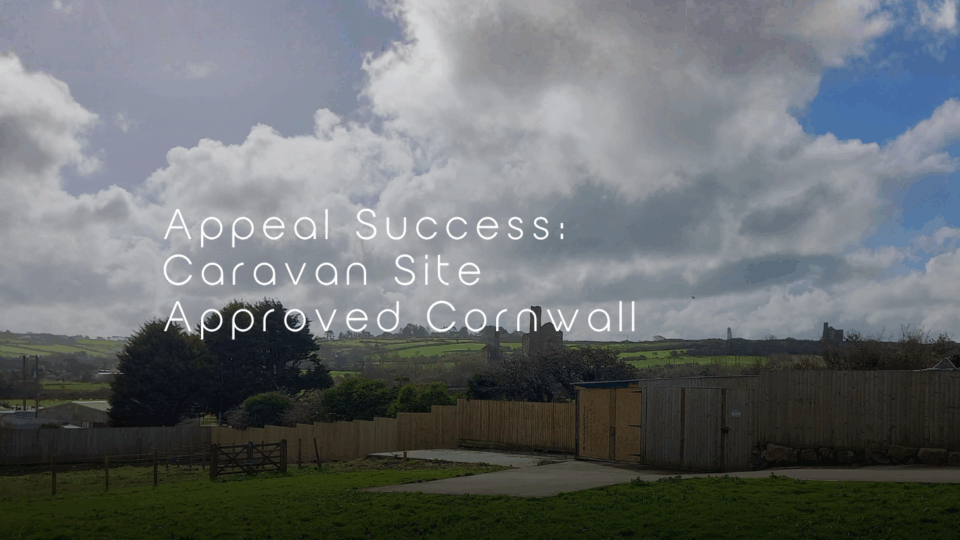
Planning Appeal Success in Cornwall National Landscape

Regen Planning Conference

Best of Houzz 2017 Design Award

Appeal Success – Removing Occupancy Condition

Rural Enterprise – Helping Rural Business Flourish

Property Development Forum

Planning Permission Success for Access, Parking & Facilities

Laurence Associates Welcomes New Planning Director

A positive appeal decision for Laurence Associates

Energy Consultancy Services at Laurence Associates

Why Do a Self Build?

Graphisoft UK Awards 2024 – Small Project Of The Year: Under £5 Million

Cornwall Council Housing Requirement – Laurence Associates

Architecture Vogue – Higher Harlyn

Cornwall Council ‘Call For Sites’

Laurence Associates – Royal Cornwall Show 2025

Outline Planning Consent Secured for Two New Dwellings

The Experts

Celebrating 17 Years of Dedication: James Vivian, Associate Chartered Architectural Technologist

Grand Designs

Why Do I Need a Professional Consultant’s Certificate?

How to Find a Building Plot

Current Vacancies – Senior Landscape Architect

Securing Planning Permission – Community Hall Poundstock

Laurence Associates – Royal Cornwall Show 2024

Grade II Listed Farmstead Planning Success

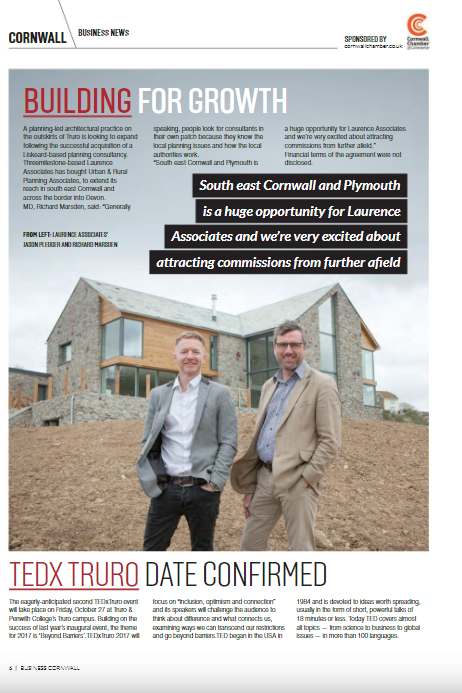
Building for Growth

Eco development on the sand dunes at Hayle

New premises & 30 Years in the business

Replacement Dwelling in lieu of Class Q

Seaside Sensation

Planning Success in Tintagel

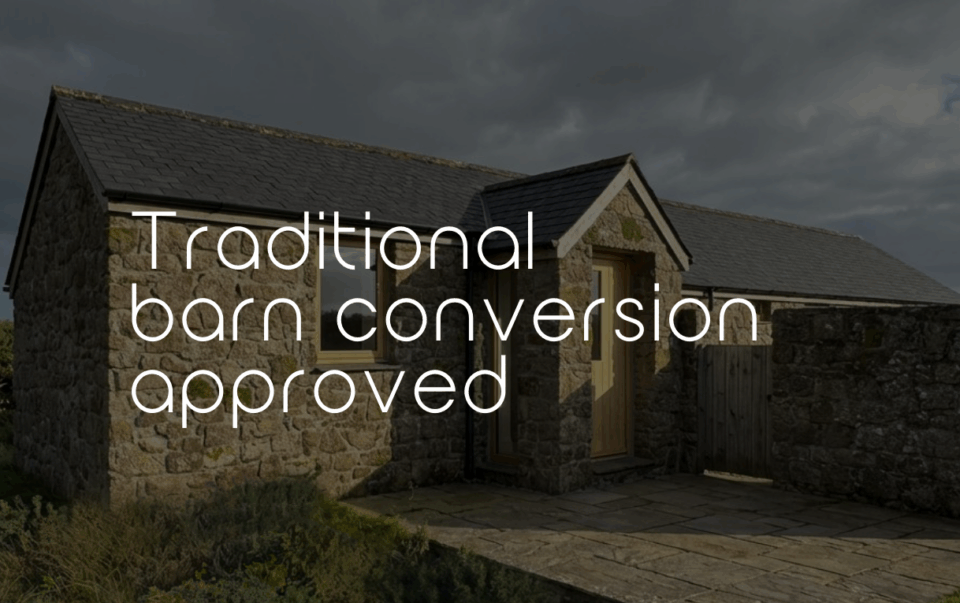
Barn Conversion Approved West Cornwall

Small Housing Schemes

Securing Planning Permission – Greenbank Hotel Falmouth

A Collaborative Approach to Creating Meaningful Spaces

Design and Placemaking PPG out now

Agricultural Barn Development Advice

Laurence Associates Welcomes New Design Director

Tom Evans Promoted to Junior Planner

Property Development Forum

Planning Consent Secured for Methane-Capture Facility

Replacement Dwellings – Pushing the boundaries of Architecture

Planning Permission Success for Barn Conversion

Bespoke Architectural Design Process

Laurence Associates Expands with New Office in Exeter

3D Modelling an image speaks a thousand words

Building for Growth

National Planning Policy Framework

Housing Appeal Success in West Cornwall

Restronguet Point – a room with a view

Building Regulations Drawings: Why Detail Matters

What does the new Part O of the Building Regulations mean for a new home?

Current Vacancies – Planner / Senior Planner

Current Vacancies – Town Planners

What is the Community Infrastructure Levy?

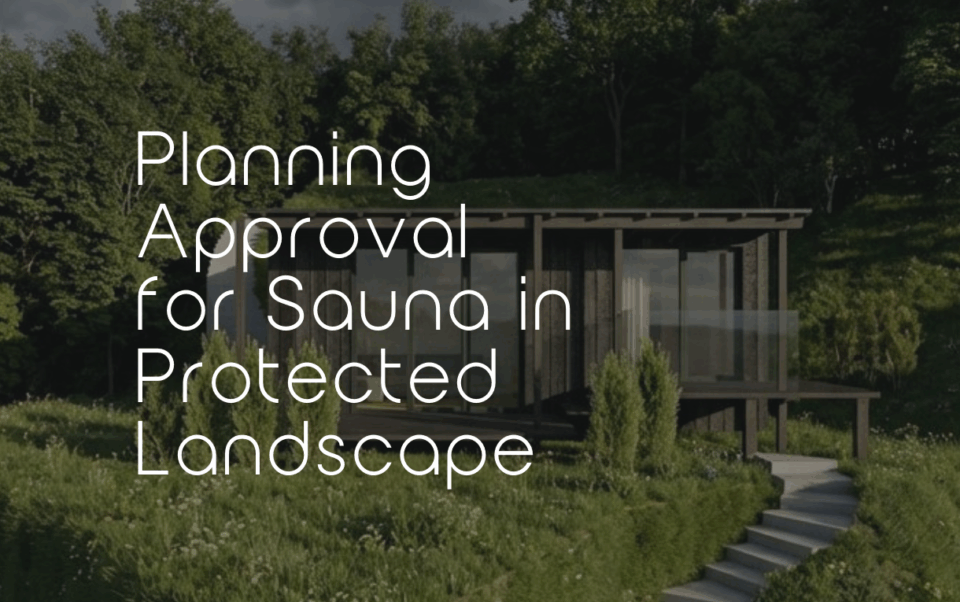
Planning Approval for Sauna in Protected Landscape

Ana Coelho promoted to Senior Chartered Architect

Natural Light

Elmhurst Energy CPD

Community Sponsorship St Just RFC

Class Q Planning Permission

Architecture Vogue – Maen Valley

Should I use an Architect?

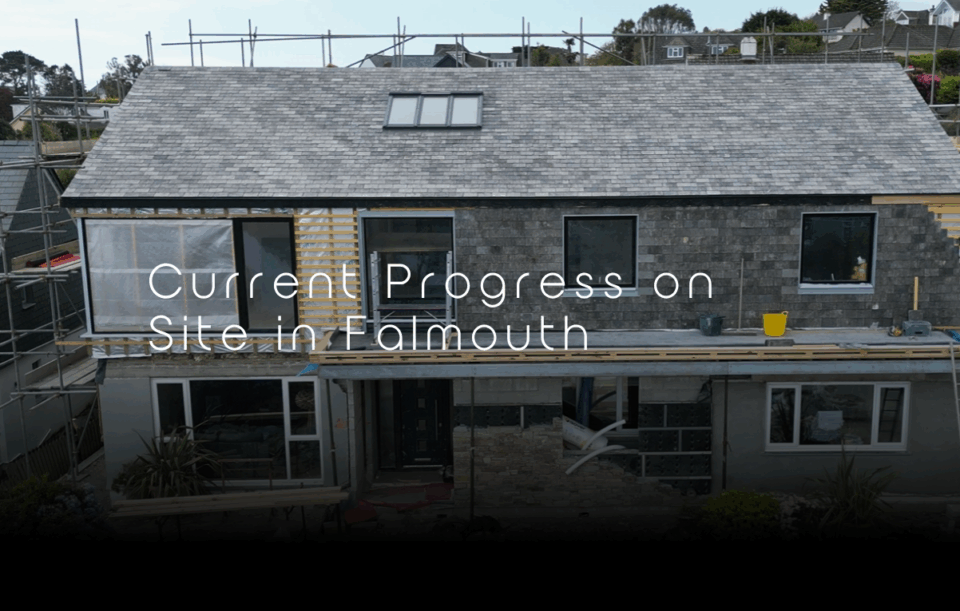
Home Renovation Progress Falmouth

Celebrating 20 Years of Leadership – Richard Marsden

Penzance Business Breakfast

Waterside Lookout

Affordable Housing Success

Architecture Vogue – Enys Hill